Source: Wikimedia Commons
Paralemnalia
IntermediateParalemnalia spp.
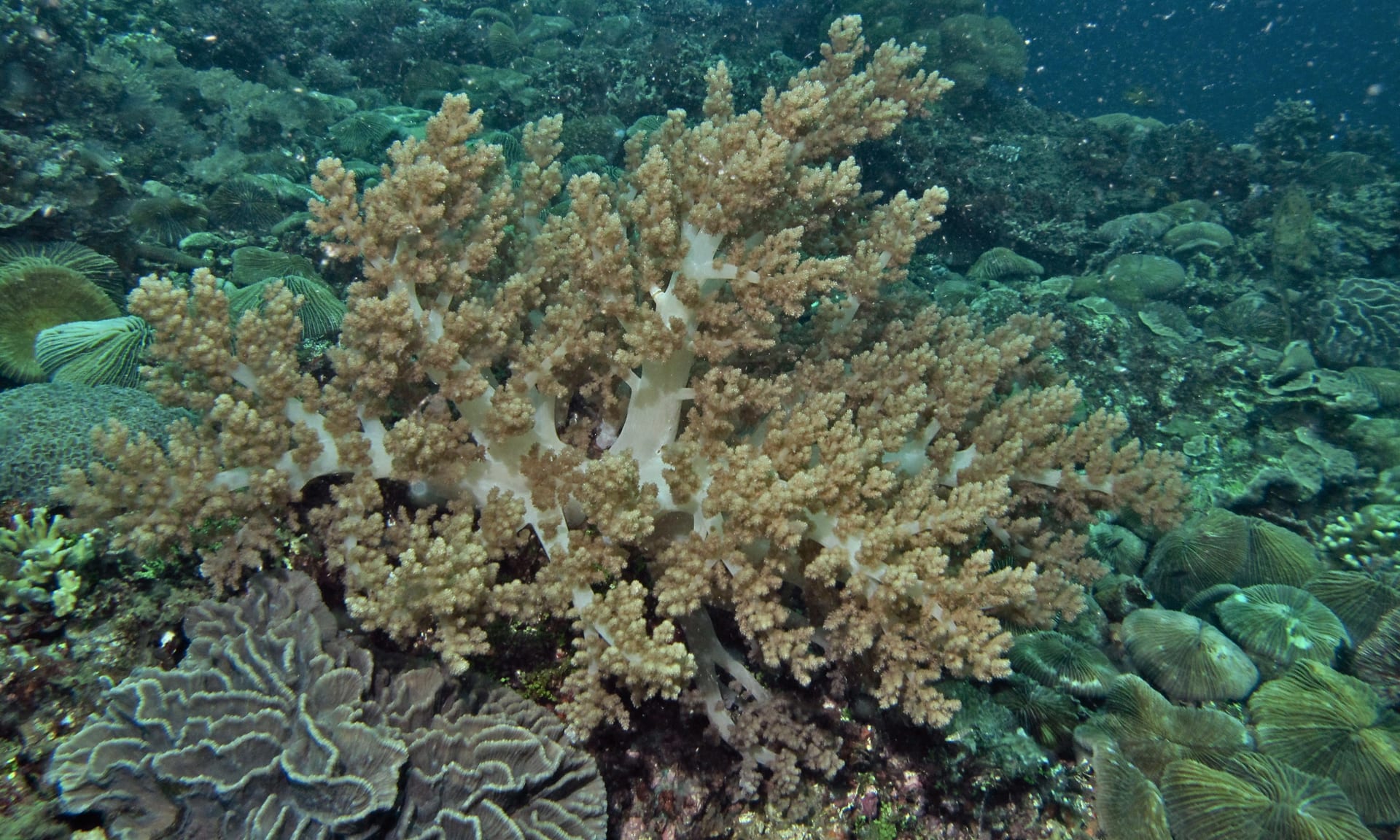
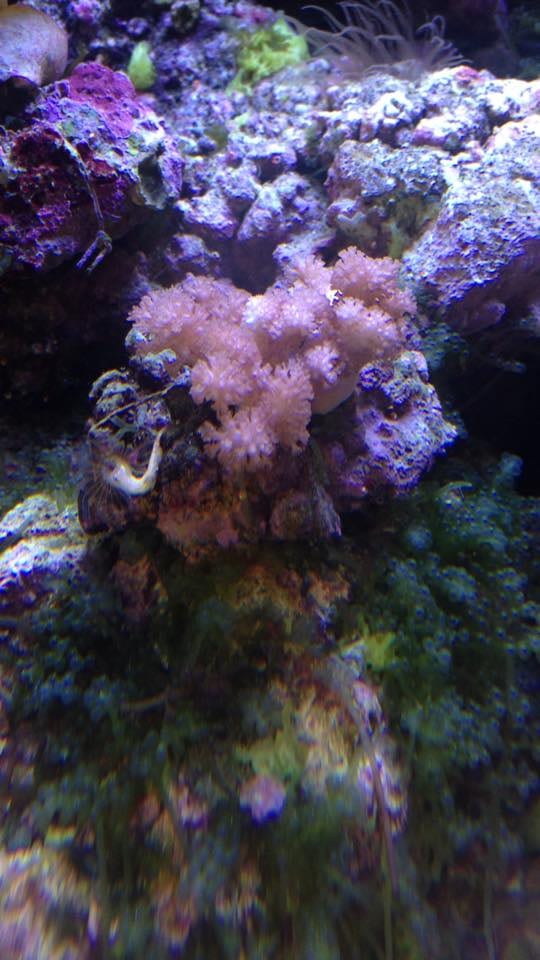
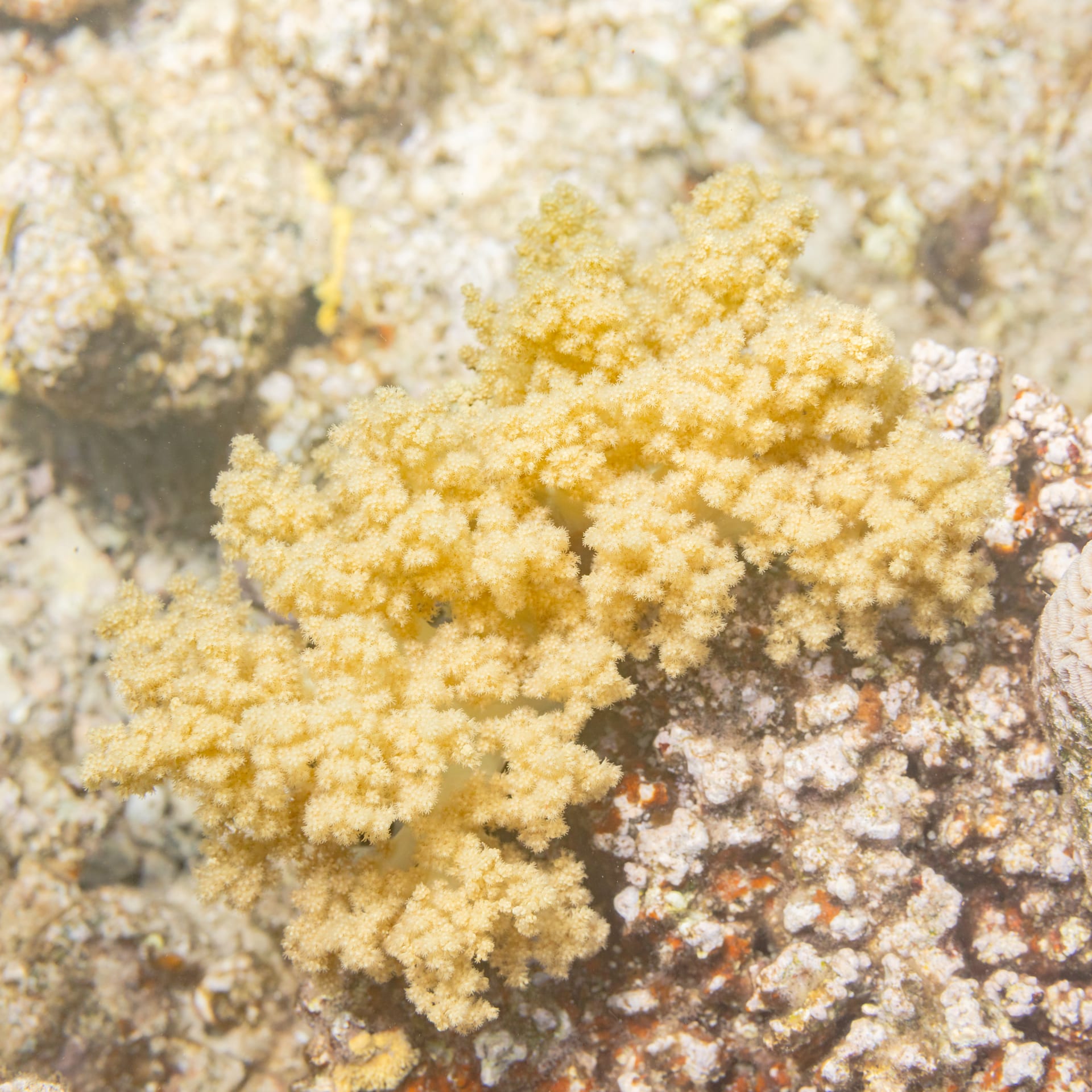
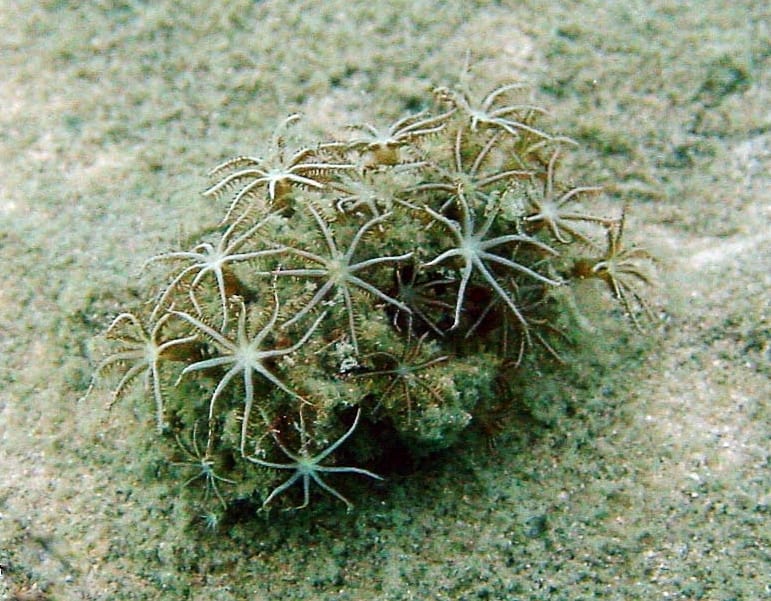
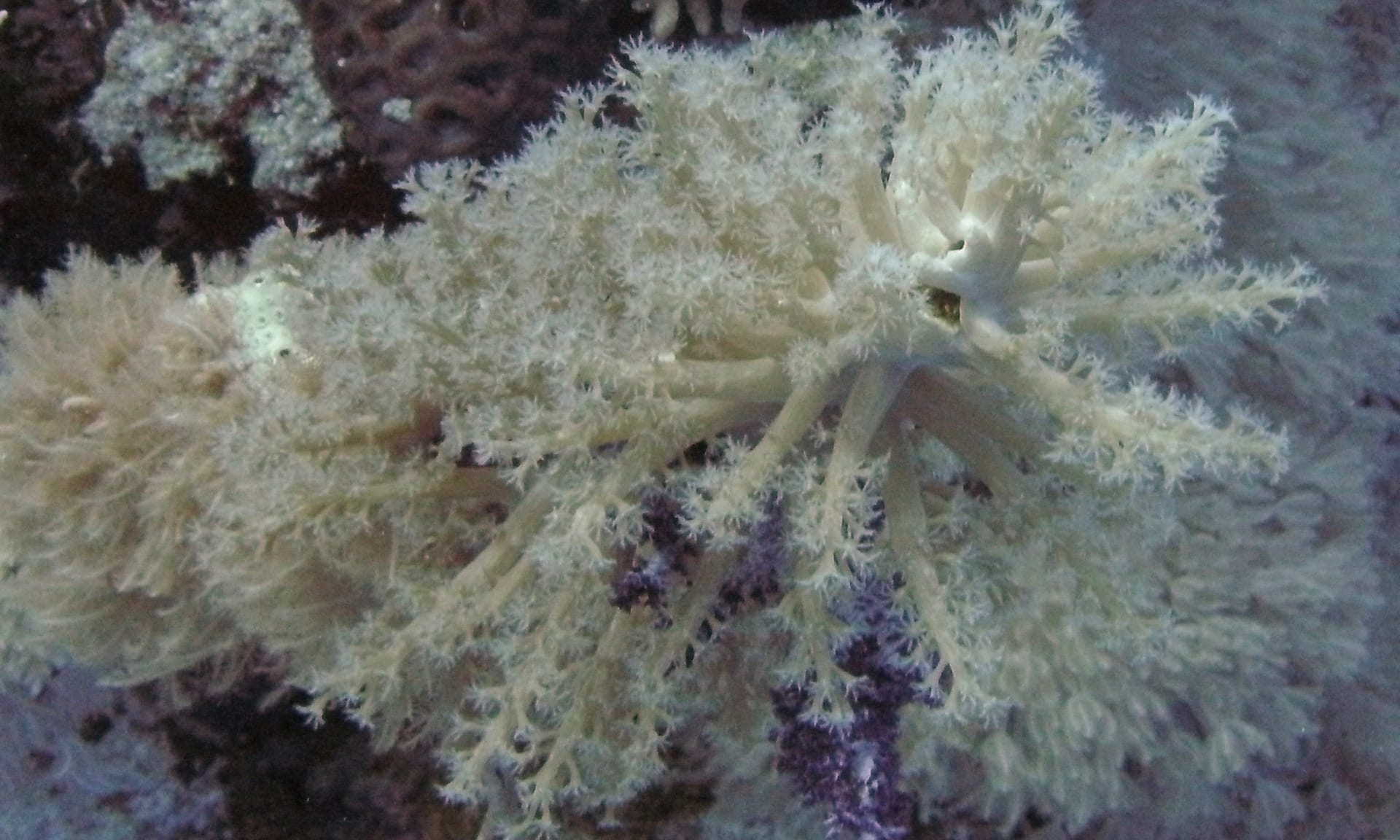
A brown soft coral that raises clusters of thick, short finger-like branches from an encrusting base, with polyps densely set at the tips. It grows where current is strong and releases toxic compounds.
Difficulty
Intermediate
Temperature
24〜26℃
Diet
Mainly nutrition from its zooxanthellae; feeding micro-plankton or baby brine shrimp speeds growth.
About
Paralemnalia is a genus of octocoral soft corals in the family Lemnaliidae, order Malacalcyonacea, erected by Kükenthal in 1913. Clusters of thick, short finger-like branches rise from a base that encrusts rock, with polyps densely set at the tips. It is separated from Lemnalia in the same family by those thicker, shorter branches, but the two are sold together as tree coral, finger leather or branch coral and are often not distinguished in shops. Colonies are typically brown. In the wild it grows where the current runs strong. It is zooxanthellate and draws most of its nutrition from photosynthesis. It is aggressive and produces toxins, so it needs ample space from other corals. It is moderately difficult to keep and suits a mature, chemically stable aquarium. As a soft coral with no stony skeleton it is not covered by the CITES coral listings.
Source: WoRMS
Temperature & humidity for the Paralemnalia
The ideal temperature for the Paralemnalia is 24〜26℃.
Basic Info
Origin
Shallow reefs of the Indo-West Pacific, mostly where the current runs strong.
Temperature
24〜26℃
Diet
Mainly nutrition from its zooxanthellae; feeding micro-plankton or baby brine shrimp speeds growth.
Care Guide
Lighting
LiveAquaria lists tree corals as needing moderate to high light; in low light the branches stretch out thin.
Care Specifications
- Carbonate (KH)
- 8–12 dKH
- Water Temp.
- 24–26℃
- Specific Gravity
- 1.023–1.025
- Salinity
- 33–35 ppt
Soft coralLight: Medium (PAR 50-150)Flow: HighPlacement: Middle
Sources: LiveAquaria (Paralemnalia Tree Coral) / WoRMS (World Register of Marine Species)
References & Sources
Edited & verified by: BreederDirect editorial team
The taxonomic, regulatory, and husbandry data on this page are compiled and verified against the authoritative primary sources below.
Taxonomy & Authority
Accepted name: Paralemnalia spp. Kükenthal, 1913
Authority databases: WoRMS
Nomenclature follows global taxonomic authority databases.
Regulations & Conservation Status
Not CITES-listed
Sources: CITES Appendices (taxon not listed)
Regulations may change. Always verify the latest information with the relevant authorities.
Paralemnalia Listings
Loading latest listingsFind listings for this species