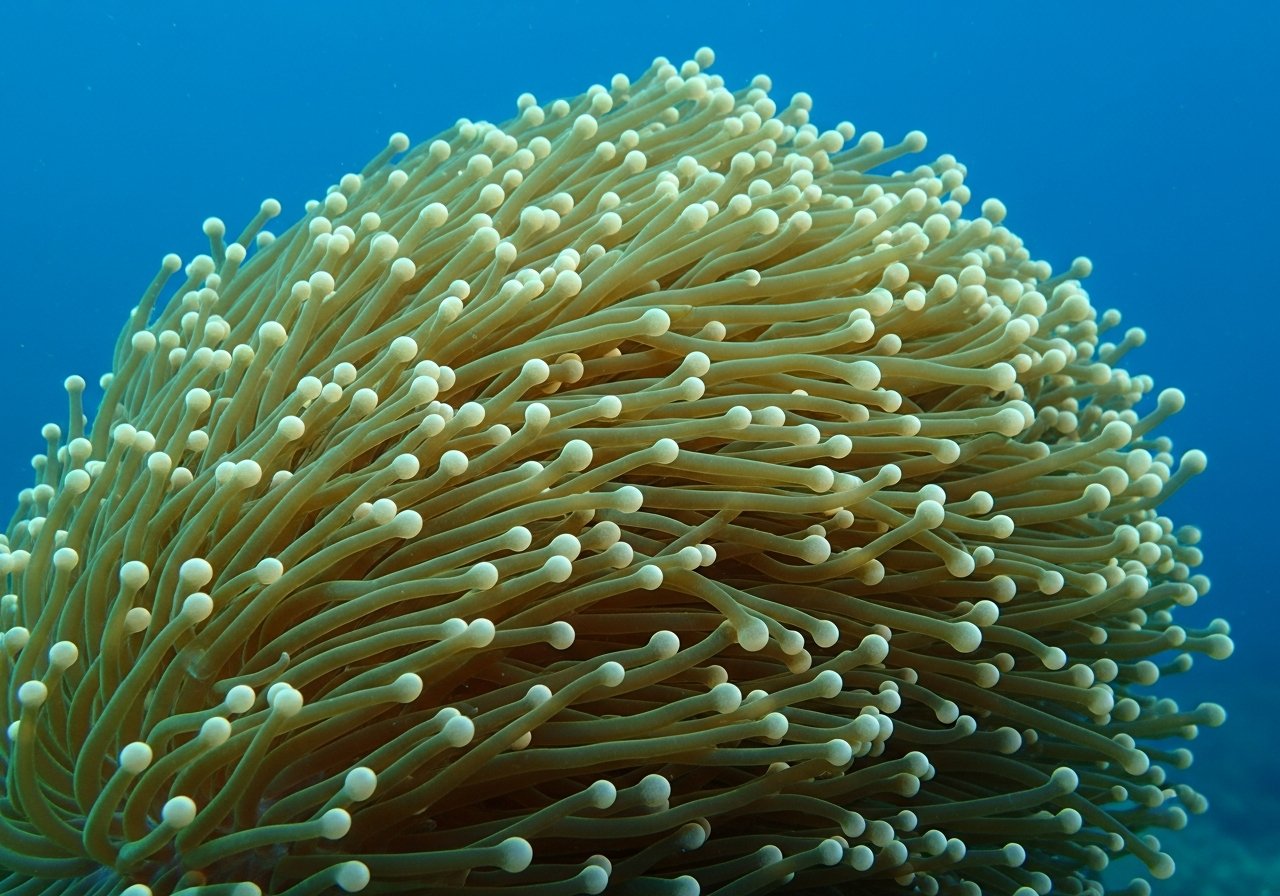
Frogspawn Coral
Frogspawn Coral is a stunning centerpiece for reef aquariums, with bulb-tipped tentacles that sway gracefully in the current. Available in green, gold, purple, and more, it brings vibrant life to any tank with minimal aquascaping effort. Among LPS corals, it is relatively forgiving for hobbyists who maintain stable water quality and gentle flow.
View Frogspawn Coral encyclopedia →Breeder Wanted!
List on BreederDirect and sell directly to customers nationwide!
BreederDirect's 6 Transparency Commitments
Our Breeder sellers disclose detailed care specs for all Coral listings. We prioritize Aquacultured/CB specimens, verify WYSIWYG photos, and provide difficulty ratings—avoiding wild-caught.
- Aquacultured
- WYSIWYG Photo
- Difficulty Disclosed
- Frag/Colony
- Care Info Included
- Trade name shown
Browse all 241 breeds
Difficulty
No listings match your filters
Adjust your filters, or get notified when new listings arrive.
Getting alerts is free with a member account. When new listings match your saved search, we'll notify you by email and in-app.
Browse other categories
Verified breeders (preview)
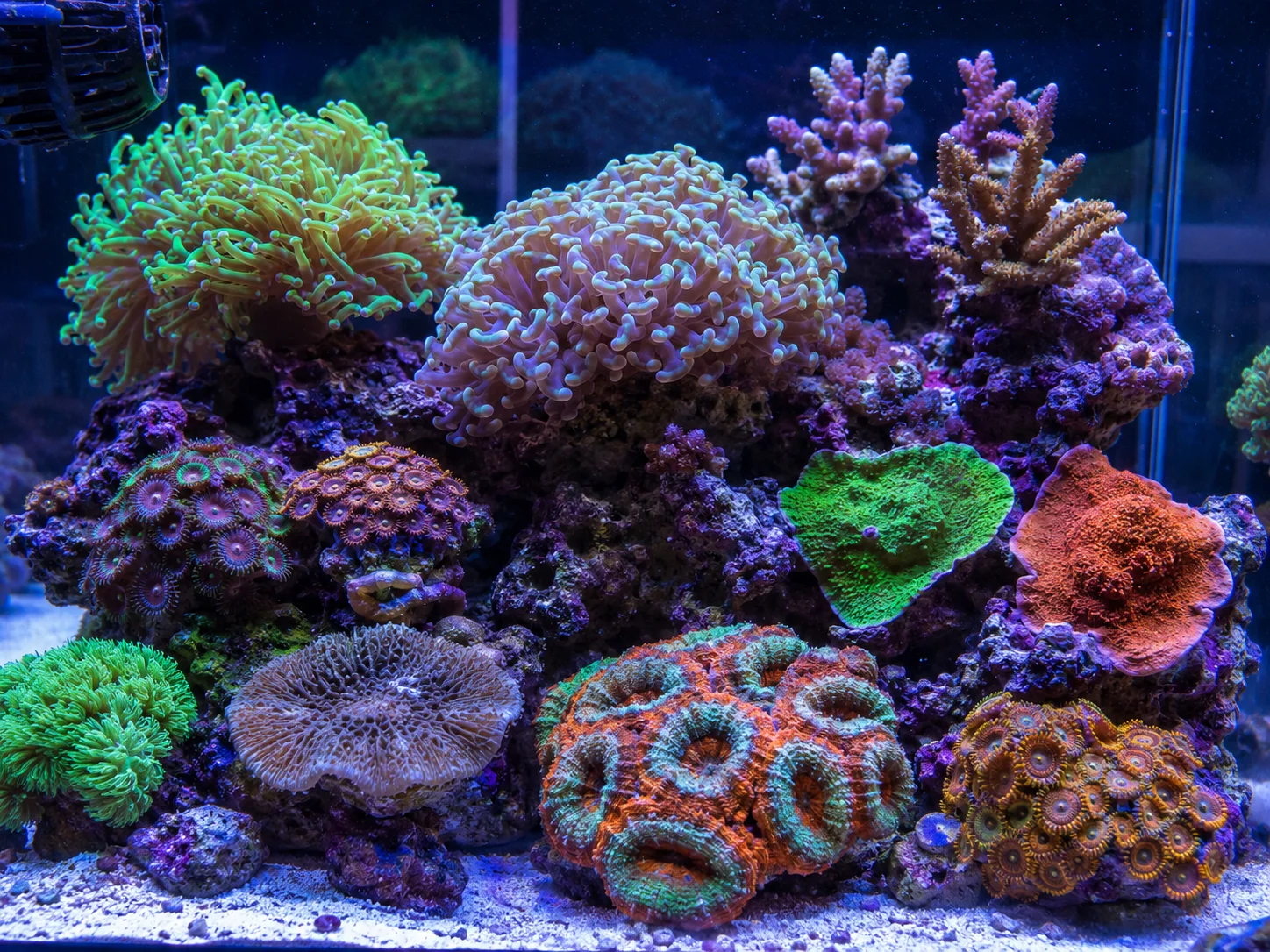
Frogspawn Coral key facts
- Care level
- Intermediate
- Temperature
- 24〜27℃
- Diet
- Photosynthesis via zooxanthellae, supplemented with zooplankton
- Lighting
- Low to moderate lighting suits it. Strong light causes fading, so provide steady moderate LED lighting.
- Flow
- Low–moderate; adjust so tentacles flow
- Water Quality
- KH 7-9, Ca 400-450ppm, keep stable
- Diet & Feeding
- In addition to photosynthesis by its zooxanthellae, feeding zooplankton 1-2 times a week promotes colour and growth.
- Health & Cautions
- It can be propagated by fragging, splitting the skeleton. If the tentacles stay retracted, check whether flow or light is too strong.
- Notes
- Long sweeper tentacles attack neighbors; give wide spacing
About Frogspawn Coral
Frogspawn Coral (Euphyllia paradivisa) is a large polyp stony (LPS) coral found on reef slopes across the Indo-Pacific. Bulb-tipped tentacles extend from a branching skeleton, resembling a mass of frog eggs, which gives the coral its common name. Color morphs include green, gold, and purple, and the tentacles swaying in the flow are its main appeal. However, its long sweeper tentacles strongly attack neighboring corals, so ample spacing is essential in a reef layout. With low to moderate lighting, gentle flow, and stable water quality, it is relatively easy to keep and is popular as an LPS coral for beginner to intermediate hobbyists.
7 things to know before welcoming a Frogspawn Coral
1Water Stability Comes First
Frogspawn Coral is sensitive to sudden swings in alkalinity (dKH), calcium, and magnesium. Aim for 7–9 dKH and 400–450 mg/L calcium, and test at least once a week. Avoid rapid corrections, as abrupt changes can cause tissue recession.
2Gentle to Moderate Flow Is Ideal
A gentle to moderate, indirect flow that makes the tentacles sway naturally is ideal. Direct, high-velocity flow can damage the tentacles and cause polyps to remain retracted. Position powerheads to create turbulent, indirect circulation rather than a direct blast.
3Low to Moderate Light
Frogspawn Coral prefers low to moderate light rather than intense illumination. Steady, moderate LED lighting works well, and acclimating it to lower light first reduces stress. While it relies on zooxanthellae for nutrition, excessive light can cause the color to fade.
4Aggression Toward Neighbors
Frogspawn Coral extends long sweeper tentacles that can strongly sting and damage neighboring corals. Leave generous space between it and other corals. Even other Euphyllia species such as Hammer or Torch should not be allowed to make contact, as stinging can cause tissue damage.
5Target Feeding Boosts Growth
While it can survive on photosynthesis alone, target feeding with zooplankton such as copepods, or coral-specific foods, once or twice a week promotes color and growth. Turn off flow briefly during feeding and deliver food directly to open polyps for best results.
6Watch for Brown Jelly Disease
Euphyllia corals can suffer from brown jelly disease, a rapid tissue breakdown that produces brown, mucus-like material. If you notice it on the coral, remove it with a syringe and isolate the colony immediately. Poor water quality and physical damage are common triggers.
7What to Check Before You Buy
This species is popular, and frags vary in size and coloration. Prices differ from listing to listing depending on lineage, color, size, and the individual, so check each listing page. Keeping it well requires stable lighting, water flow, and water-quality equipment, and it helps to have dosing additives and salt mix ready in advance. Setting up a well-cycled tank carefully from the start supports stable long-term keeping.
Frequently asked questions about Frogspawn Coral
- Q.What tank size is needed for Frogspawn Coral?
- A.A tank of at least 60 cm (approximately 57 liters) is recommended. Larger water volume helps maintain stable parameters, which directly benefits coral health. Nano reef setups are possible but require more diligent monitoring.
- Q.Why do the polyps stay retracted all the time?
- A.Common causes include poor water quality, excessive direct flow, overly intense lighting, and physical stress. Start by checking alkalinity, ammonia, and nitrite levels, and verify that flow is not hitting the coral directly. Acclimation to a new environment can also take several days to a week.
- Q.Can Frogspawn Coral be kept with other corals?
- A.Yes, but adequate spacing is essential to prevent sweeper tentacle contact. It can sting both hard and soft corals placed too close. Even other Euphyllia species such as Hammer or Torch should not be allowed to touch, as chemical and physical contact causes tissue damage.
- Q.Does Frogspawn Coral propagate or split?
- A.Healthy colonies gradually branch out and grow over time. Propagation by fragging, which divides the skeleton, is also possible, but cut surfaces are susceptible to brown jelly disease, so use clean tools and allow frags to recover in a separate, stable environment.
- Q.My Frogspawn Coral is turning brown—is that normal?
- A.Browning is often caused by an increase in zooxanthellae density, commonly linked to excessive nutrients or overly intense light. While not immediately harmful, adjusting lighting intensity and nutrient levels can help restore vibrant coloration. Note that this differs from brown jelly disease, which involves visible mucus and rapid tissue loss.
Useful tools for Frogspawn Coral care
Learn more about Frogspawn Coral in the encyclopedia
View Frogspawn Coral encyclopedia entry →
Care difficulty, lifespan, size and diet — all basics covered.
More in this category
Can't find the one you're looking for?
Post your wishes for free and breeders with matching animals will contact you with introductions.