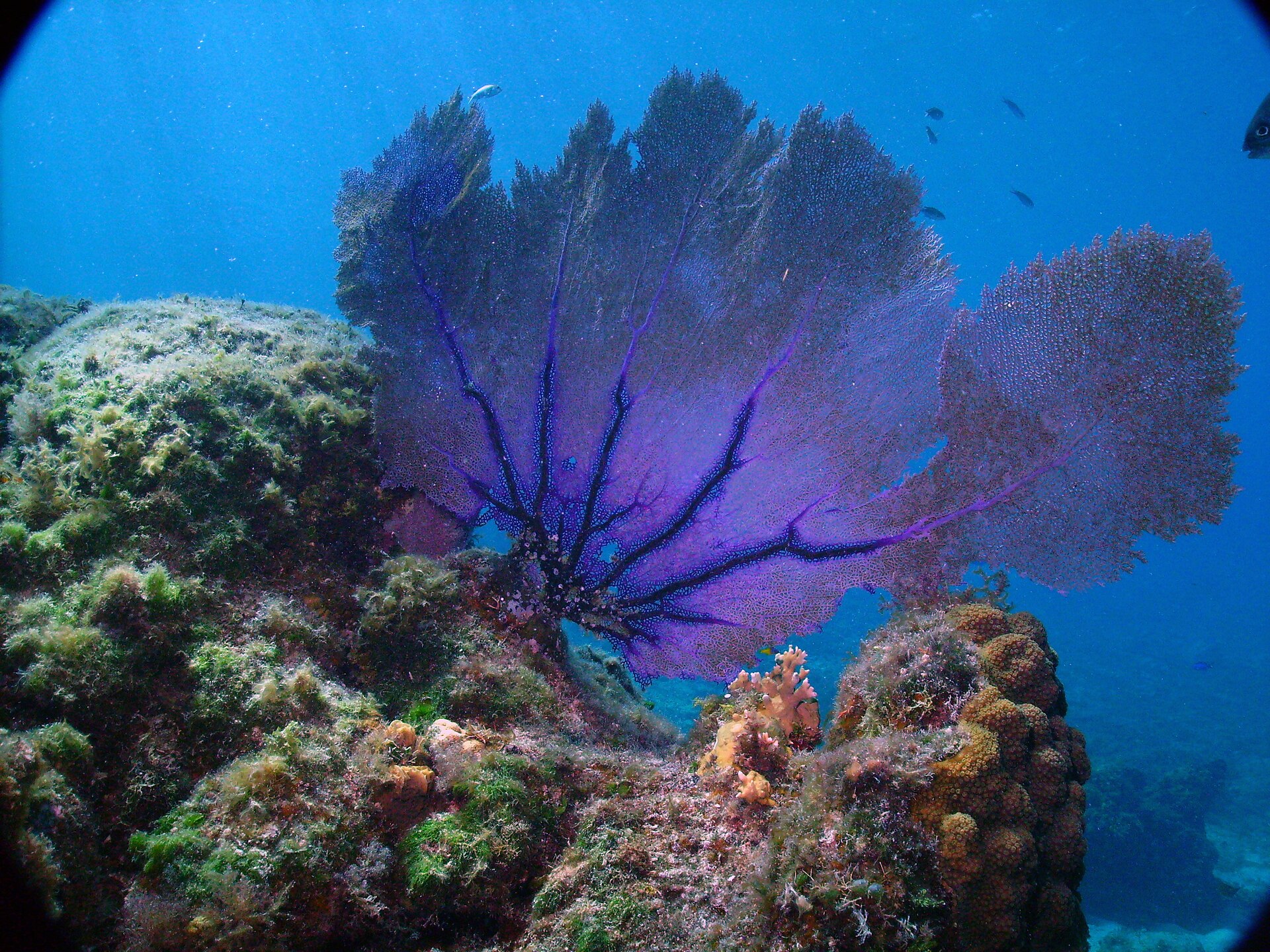
 © Skinned Mink / CC BY-SA 2.0
Gorgonian / Sea Fan
A beautiful soft coral spreading in fan shape. Elegantly swaying in current, ideal as tank background.
View Gorgonian / Sea Fan encyclopedia →Breeder Wanted!
List on BreederDirect and sell directly to customers nationwide!
BreederDirect's 6 Transparency Commitments
Our Breeder sellers disclose detailed care specs for all Coral listings. We prioritize Aquacultured/CB specimens, verify WYSIWYG photos, and provide difficulty ratings—avoiding wild-caught.
- Aquacultured
- WYSIWYG Photo
- Difficulty Disclosed
- Frag/Colony
- Care Info Included
- Trade name shown
Browse all 241 breeds
Difficulty
No listings match your filters
Adjust your filters, or get notified when new listings arrive.
Getting alerts is free with a member account. When new listings match your saved search, we'll notify you by email and in-app.
Browse other categories
Verified breeders (preview)
Gorgonian / Sea Fan key facts
- Care level
- Advanced
- Lifespan
- Several years+
- Size
- 10-50cm
- Temperature
- 22〜26℃
- Diet
- Plankton, Liquid food
- Lighting
- Photosynthetic types with zooxanthellae can be grown under moderate lighting. Non-photosynthetic types do not depend on light; feeding matters more than lighting.
- Flow & Placement
- Both types prefer fairly strong flow. Weak flow lets algae settle on the surface and weakens it, so position the fan face into the current.
- Water Temperature & Quality
- Keep the water at 22-26°C. Clean water is the key to long-term success, so watch for pollution.
- Diet & Feeding
- Non-photosynthetic types require frequent feeding of plankton or rotifers. Use liquid foods as well so it never goes without food.
- Health & Cautions
- Care differs greatly between photosynthetic and non-photosynthetic types, so confirm which you have when buying. Non-photosynthetic types are demanding and suit advanced keepers.
About Gorgonian / Sea Fan
Sea fans (gorgonian corals) are soft corals found on reef slopes of the Indo-Pacific, the Caribbean and the Mediterranean, prized for their distinctive tree- or fan-shaped silhouettes. Their skeletons are composed of gorgonin protein and calcium carbonate, giving them a combination of flexibility and structural strength. Colors vary widely by species—red, orange, yellow, purple, and white—and their swaying motion in the current evokes the imagery of an underwater forest. They fall into two groups: photosynthetic types that host zooxanthellae, and non-photosynthetic types that live on plankton, for which feeding management is far more critical than lighting. The reward of keeping sea fans is watching their polyps bloom open en masse during feeding time, resembling tiny white flowers covering the colony. With careful attention to water flow and consistent nutrition, a well-maintained sea fan can serve as a captivating centerpiece in a reef aquarium for several years.
7 things to know before welcoming a Gorgonian / Sea Fan
1Flow Is Essential
Both photosynthetic and non-photosynthetic sea fans prefer fairly strong flow. Weak flow lets algae settle on the surface and weakens the colony, and it also makes it harder for the fan to catch plankton. Using multiple pumps to create multi-directional circulation, with the flow hitting the fan-shaped face, is ideal.
2Lighting Depends on the Type
Photosynthetic sea fans that host zooxanthellae can be kept under moderate lighting. Non-photosynthetic types do not rely on light, and feeding matters far more than lighting. Because care differs greatly between the two, check which type you are getting at purchase.
3Feeding Is Critical
Liquid foods and frozen micro-prey such as copepods and rotifers should be offered frequently. Temporarily pausing flow during feeding and directing food toward the polyps improves uptake. Chronic underfeeding leads to polyp retraction and tissue recession, so consistent feeding without gaps is crucial.
4Stable Water Chemistry
Keep the water temperature at 22–26°C and maintain clean water, which is the key to long-term success. Nitrates and phosphates should also be kept as low as possible. Sudden chemistry swings cause polyp closure, so small, regular water changes are the safest approach.
5Secure Rock Attachment
Sea fans must be attached to rock or live rock — placing them directly on sand causes rot from the base upward. If the base is small at purchase, use coral glue or epoxy to secure them to stable rockwork. Once established, relocating stresses the animal and requires readaptation time, so choose placement carefully in advance.
6Choose Tankmates Carefully
Some butterflyfish and angelfish will pick at sea fan polyps and are poor tankmates. Most shrimp such as cleaner shrimp coexist peacefully, but large crabs or snails can damage the base. Whether polyps remain consistently open is a reliable health indicator, so monitor behavior closely after adding new tankmates.
7Equipment and Food to Prepare Before Bringing One Home
Prices differ from listing to listing depending on size, coloration and the individual, so check the listing page for details. Before bringing one home, it helps to have liquid and frozen foods ready, along with equipment such as a protein skimmer and strong flow pumps. Non-photosynthetic species depend less on lighting, but they do need to be fed consistently, so keep that in mind.
Frequently asked questions about Gorgonian / Sea Fan
- Q.Can beginners keep sea fan corals?
- A.They are best suited to experienced keepers and are not recommended for beginners. Non-photosynthetic types in particular require frequent feeding and careful flow management, making them more demanding than LPS or common soft corals. It is advisable to introduce them only after your tank parameters are consistently stable.
- Q.How much lighting do sea fans need?
- A.Photosynthetic sea fans can be kept under moderate lighting. Non-photosynthetic sea fans do not rely on light and do not need intense illumination; feeding takes the place of photosynthesis as the energy source. In either case, avoid placing them directly under high-intensity beams, and check which type you are getting at purchase.
- Q.Are sea fans compatible with other corals and fish?
- A.Sea fans are generally non-aggressive and coexist well with most corals as long as direct contact is avoided. Be cautious with tank mates such as curly or camel shrimp, as some invertebrates may nip at the polyps, and choose tank mates carefully.
- Q.How fast do sea fans grow?
- A.Growth is very slow. Consistent feeding and stable water quality support steady growth, but you should not expect rapid size increases.
- Q.What should I do if the polyps won't open?
- A.Polyps often remain closed for a few days to a week after transport, so observe patiently first. If they stay closed beyond that, check flow direction and intensity, water parameters (salinity, nitrate, phosphate), and feeding frequency in sequence. Multiple factors often overlap, so isolate each cause methodically.
Useful tools for Gorgonian / Sea Fan care
Learn more about Gorgonian / Sea Fan in the encyclopedia
View Gorgonian / Sea Fan encyclopedia entry →
Care difficulty, lifespan, size and diet — all basics covered.
Gorgonian / Sea Fan related articles
See more Gorgonian / Sea Fan articles →More in this category
Can't find the one you're looking for?
Post your wishes for free and breeders with matching animals will contact you with introductions.