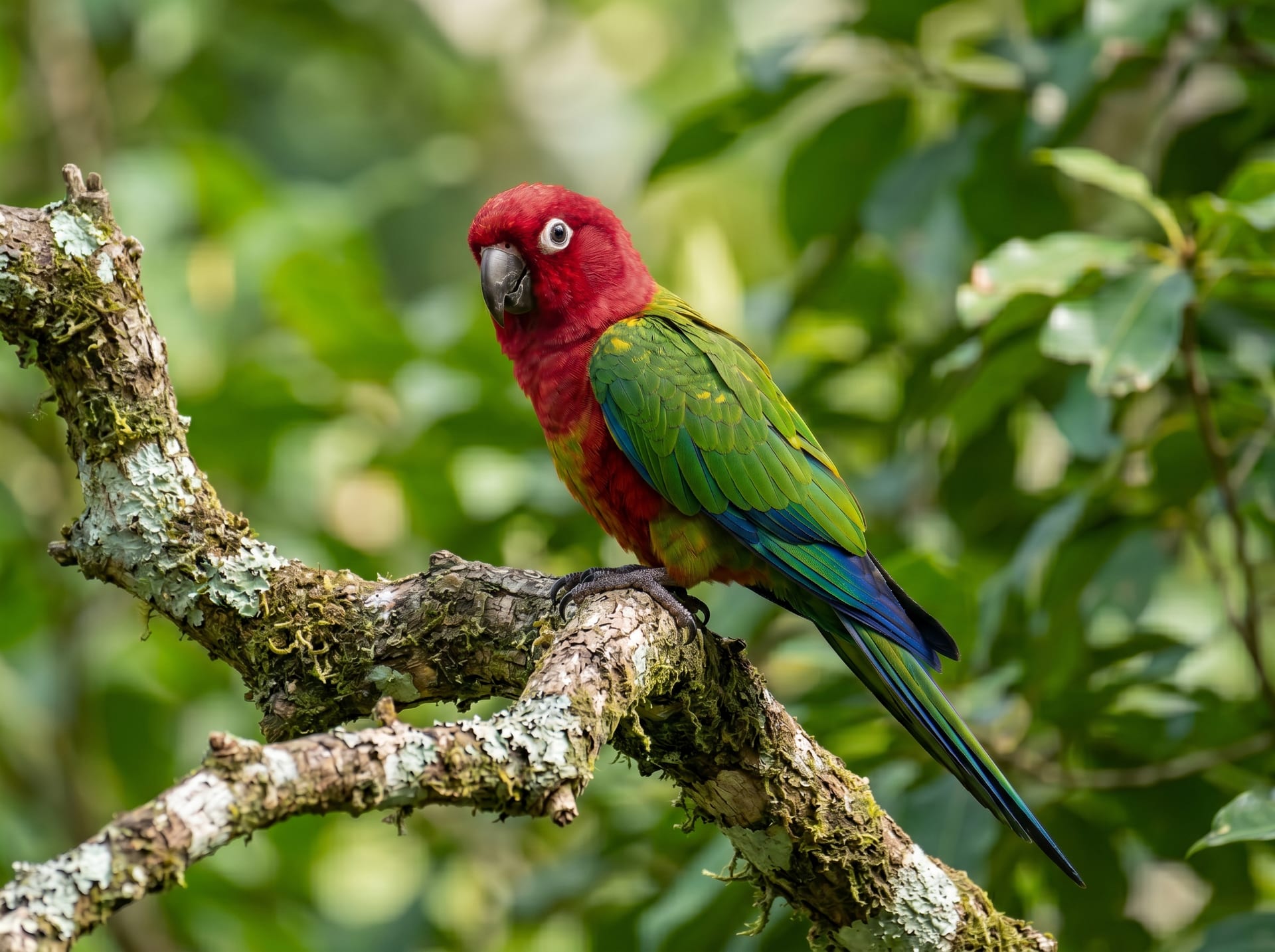
Conure
Medium-sized parakeet group. Green-cheek and sun conures are popular. Playful with rich emotional expression.
View Conure encyclopedia →0% commission on your first sales!Register by September 30, 2026 and your first 2 sales are commission-free!
Breeder Wanted!
List on BreederDirect and sell directly to customers nationwide!
Six Transparency Commitments from BreederDirect
All Birds listings include complete Breeder transparency: hand-raised status, DNA sex determination, and health certification details.
- Hand-Raised
- DNA Sex-Determined
- Health Certified
- Origin Disclosed
- Color Variation Specified
- Age in Months Disclosed
Browse all 247 breeds
Care Level
No listings match your filters
Adjust your filters, or get notified when new listings arrive.
Getting alerts is free with a member account. When new listings match your saved search, we'll notify you by email and in-app.
Browse other categories
Verified breeders (preview)
Conure key facts
- Care level
- Intermediate
- Lifespan
- 15-30 years
- Size
- 25-35cm
- Diet
- Pellets, seeds, vegetables, fruits
- Housing
- Use a spacious cage at least 45 cm wide, keep foraging toys and chew wood in it at all times, and give daily out-of-cage time.
- Diet & Feeding
- Feed pellets as the base with seed, vegetables and fruit; take extra care during molting, when nutritional deficiency is more likely.
- Health & Cautions
- Highly intelligent; boredom leads to stress behaviors such as feather plucking, so rotate toys and play with the bird. Also watch for chlamydiosis and fungal infections.
- Noise
- Some species are loud — consider apartment living
- Notes
- Strong bite — build trust from young age
About Conure
Conures are a broad group of medium-sized parrots native to the tropical and subtropical regions of Central and South America, spanning multiple genera including Aratinga and Pyrrhura. In the wild, they live in small social flocks across forests and grasslands, a lifestyle that shapes their famously affectionate and people-oriented personalities. Ranging from 25 to 35 cm in length, they offer remarkable variety in appearance—from the subtle earth tones of the Green-cheeked Conure to the vivid orange-yellow plumage of the Sun Conure. They are expressive, playful, and quick to form strong bonds with their owners; some individuals even learn to mimic words and simple phrases. With a lifespan that can reach 15 to 30 years under proper care, a conure is a genuine long-term companion. While relatively accessible for beginners, they thrive with daily interaction and a stimulating, enriched environment.
7 things to know before welcoming a Conure
1Mind the Noise Level
Conures are expressive birds and can be quite loud when excited or seeking attention. In apartments or shared housing, soundproofing measures are worth considering. Noise levels vary by species, so it is a good idea to research your specific type beforehand.
2Spacious Cage Required
Adult conures reach 25 to 35 cm in length and need a cage large enough to move around freely. A minimum of 60 cm wide by 45 cm deep is generally recommended, with room for multiple perches and toys. Daily out-of-cage exercise time is also important for their wellbeing.
3Highly Social by Nature
As flock birds, conures can become stressed if left alone for long periods. Daily interaction, play sessions, and attention are essential for their mental health. If you are away from home frequently, keeping a pair of conures may be worth considering.
4Managing Biting Behavior
Conures naturally explore their environment with their beaks, and young birds may develop biting habits. Calm redirection toward appropriate toys and positive reinforcement are the most effective training approaches. Avoid punishment, as it can cause stress and damage trust.
5Balanced Diet Is Essential
A base of high-quality pellets supplemented with seeds, vegetables, and fruits helps maintain nutritional balance. Avocado, chocolate, and onions are toxic to birds and must be strictly avoided. Fresh water should be provided and changed daily.
6Regular Health Monitoring
Conures tend to conceal illness, so developing a habit of monitoring droppings, appetite, and feather condition daily is important. Annual or biannual checkups with an avian veterinarian are recommended. It is wise to locate a bird-friendly vet in your area before bringing one home.
7Long-Term Cost Awareness
With a lifespan of 15 to 30 years, the cumulative costs of food, veterinary care, and supplies can be substantial. Beyond initial setup costs for a cage and toys, estimating annual maintenance expenses in advance is advisable. Think of it as a long-term investment in a companion's quality of life.
Frequently asked questions about Conure
- Q.Are conures suitable for first-time bird owners?
- A.Calmer species like the Green-cheeked Conure are generally considered beginner-friendly. However, all conures require daily interaction, a proper diet, and an enriched environment. We recommend researching thoroughly and consulting a specialty bird store before bringing one home.
- Q.Will a single conure get lonely?
- A.A single conure can live happily if given sufficient daily attention and interaction from its owner. For households where people are away for long stretches, keeping two conures can help, but proper introductions are important as not all birds get along immediately.
- Q.Can conures be kept in apartments?
- A.Noise levels vary significantly between species. Quieter varieties like the Green-cheeked Conure may be manageable in an apartment setting. Always review your rental agreement before getting a bird, as some properties prohibit or restrict pet ownership.
- Q.How many words can conures learn to say?
- A.A conure's ability to mimic speech varies greatly between individuals—some learn a handful of words or phrases, while others rarely vocalize words at all. Their vocabulary tends to be smaller than that of larger parrots, but they communicate expressively through a wide range of vocalizations.
- Q.What changes with age in older conures?
- A.As conures age, activity levels typically decrease and changes in feather quality or appetite may appear. Regular veterinary checkups become even more important for early detection of age-related issues. Older birds are more sensitive to temperature fluctuations, so maintaining a stable, warm environment is essential.
Useful tools for Conure care
Learn more about Conure in the encyclopedia
View Conure encyclopedia entry →
Care difficulty, lifespan, size and diet — all basics covered.
Conure related articles
Green-Cheeked Conure (Pyrrhura molinae) Complete Care Guide | Subspecies, Color Morphs, Temperament, Diet, and Health Management
A comprehensive guide to caring for Green-Cheeked Conures (Pyrrhura molinae), whose popularity has surged in Japan. Covers popular color morphs including Pineapple, Cinnamon, Turquoise, and Moon Cheek with their genetic inheritance patterns, their suitability for apartment living due to quiet vocalizations, pellet-based nutrition management, and practical guidance on health concerns including PBFD, hormonal issues, and hyperuricemia.
Sun Conure Care Guide | Enjoying Vibrant Colors and Vocalizations
Comprehensive guide to Sun Conure care. Detailed coverage of the charm of vibrant orange and yellow plumage, personality, proper cage setup, diet, vocalization training, and disease prevention.
Guide to Raising and Understanding Green-cheeked Conures | The Charm and Important Considerations of These Playful Small Parrots
A detailed guide to raising Green-cheeked Conures (Uroko Inko). We introduce everything for beginners, from their energetic and playful personality to talking ability, diet, environment setup, common health issues, and tips for longevity.
Conure Species Comparison Guide: Green-Cheeked, Sun, and Jenday
A comprehensive comparison of major Conure species (small parrots of the macaw family). Explains the temperament, vocalization volume, price, and breeding difficulty of Green-Cheeked Conures, Sun Conures, and Jenday Conures.
How to Care for Conures (Green-Cheek Conures and Sun Conures) | Energetic and Emotionally Expressive Medium-Sized Birds
A guide to caring for popular conures like Green-Cheek Conures and Sun Conures. Covers their active personalities and vocalization traits, feeding, play, communication, and how to set up the ideal cage environment.
More in this category
Can't find the one you're looking for?
Post your wishes for free and breeders with matching animals will contact you with introductions.