Conure Species Comparison Guide: Green-Cheeked, Sun, and Jenday
A comprehensive comparison of major Conure species (small parrots of the macaw family). Explains the temperament, vocalization volume, price, and breeding difficulty of Green-Cheeked Conures, Sun Conures, and Jenday Conures.
Key Takeaways
A comprehensive comparison of major Conure species (small parrots of the macaw family). Explains the temperament, vocalization volume, price, and breeding difficulty of Green-Cheeked Conures, Sun Conures, and Jenday Conures.
Related Species
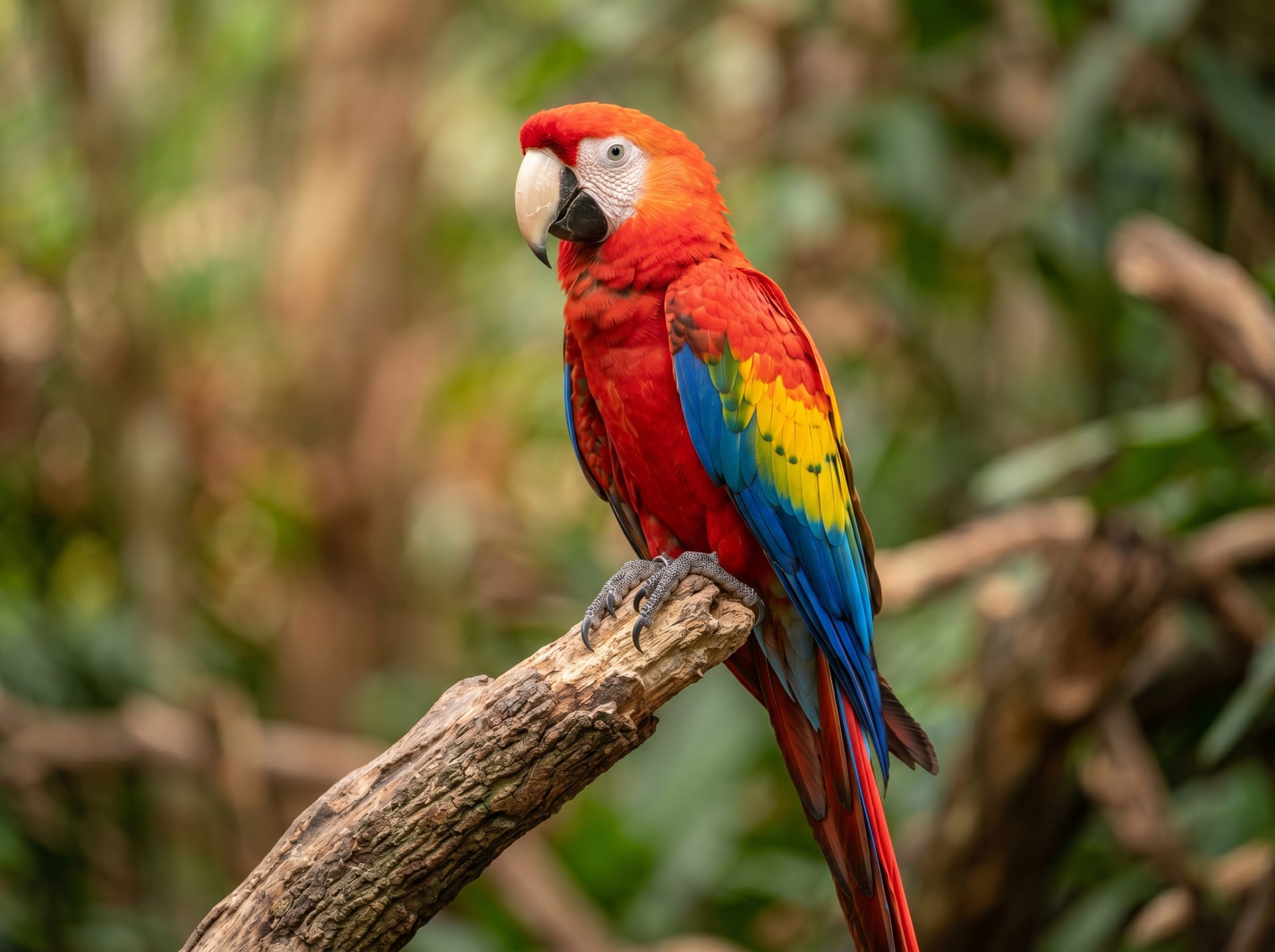
Conures are a collective term for small parrots of the macaw family native to Central and South America. Due to their adorable appearance and expressive features, they have been growing in popularity in Japan in recent years. However, there are many species of "Conures," and each differs significantly in temperament, vocalization volume, and ease of care. This time, we will provide a detailed comparison of three particularly popular species—Green-Cheeked Conures, Sun Conures, and Jenday Conures—and offer hints to help you find the perfect species for you.
What Kind of Bird Are Conures?
Conures are small to medium-sized parrots, roughly 20–30 cm in body length, representing an active and curious group within the order Psittaciformes and family Psittacidae. With a lifespan of 15–25 years in proper care, they are often welcomed into families as long-term partners.
They are highly intelligent, love to play, and bond well with their owners. However, as they are highly social animals, they can easily become stressed if they don't get enough out-of-cage time and interaction. All species are suited for those who want to seriously keep hand-tamed parrots, but since vocalization volume and temperament vary considerably by species, choosing the right one for your living environment is crucial.
Green-Cheeked Conure: The Beginner-Friendly Classic
Basic Data
- Body Length: Approximately 26 cm
- Price: Around ¥30,000–¥80,000 (varies by color mutation)
- Vocalization Volume: ★★☆☆☆ (Relatively quiet)
- Difficulty of Care: ★★☆☆☆ (Easy)
The Green-Cheeked Conure is said to be the easiest conure species to care for and is very popular. True to its name, it features a green body with reddish tail feathers, and beautiful color mutations such as turquoise, cinnamon, and pineapple are widely available.
They have calm, affectionate personalities and are known for bonding closely with their owners, often dozing off on their shoulder or chest. They have the quietest vocalization among the three species, making them relatively easy to keep in apartments and multi-unit housing—a major appeal. However, they are not completely silent and do vocalize when calling, so consideration for neighbors is still necessary.
Their bite force is relatively weak compared to other conures, making them safer to handle in households with children. This is the most recommended species for first-time parrot owners or those seeking a quieter household bird.
Sun Conure: Vibrant Plumage and Cheerful Temperament
Basic Data
- Body Length: Approximately 30 cm
- Price: Around ¥100,000–¥200,000
- Vocalization Volume: ★★★★☆ (Loud)
- Difficulty of Care: ★★★☆☆ (Moderate)
Sun Conures are a beautiful species with striking plumage dominated by orange and yellow tones. Also called the "Sunny Parrot," they live up to their name with bright, cheerful personalities.
They are highly intelligent and very active—learning tricks and carefully observing their owners' behavior. They love to play and will enthusiastically engage with enrichment toys and hanging toys. They express affection generously toward their owners, actively seeking interaction by perching on shoulders and asking to be preened.
The biggest drawback is their loud vocalization. They have the loudest call among the three species and may screech continuously in high-pitched tones when happy or lonely. Noise complaints can occur even in single-family homes, so careful consideration is needed if noise could be an issue. Additionally, their price is somewhat higher than Green-Cheeked Conures.
They suit those who don't mind some noise in exchange for a vibrant, distinctive bird, or those with large homes or soundproofing.
Jenday Conure: Sun-Like Appearance, But a Different Personality
Basic Data
- Body Length: Approximately 30 cm
- Price: Around ¥50,000–¥120,000
- Vocalization Volume: ★★★★★ (Extremely loud)
- Difficulty of Care: ★★★☆☆ (Moderate)
Jenday Conures look very similar to Sun Conures but have distinctions—their heads are greenish and their wings have blue tones. They are sometimes confused with Sun Conures, and are closely related—hybrid crosses (Sundae Conures) even exist.
Like Sun Conures, they are active and social, but Jenday Conures tend to be somewhat more independent-minded and prefer to do things at their own pace. They love to play and have a strong bite, excelling at toy destruction, so sturdy toys are recommended.
They have the loudest vocalization of the three species, with particularly piercing alarm calls and contact calls. Without soundproofing, keeping them in apartments is essentially impossible. Conversely, in single-family homes or spacious rural settings, you can fully enjoy their bold, distinctive personalities.
Their price is somewhat lower than Sun Conures, making them more accessible in some cases. They suit intermediate to advanced keepers who want something a little rarer or prefer birds with distinctive personalities.
Cross-Species Comparison: Which One Is Right for You?
| Category | Green-Cheeked | Sun | Jenday |
|---|---|---|---|
| Body Length | ~26 cm | ~30 cm | ~30 cm |
| Price | ¥30,000–¥80,000 | ¥100,000–¥200,000 | ¥50,000–¥120,000 |
| Vocalization | Quiet | Loud | Extremely Loud |
| Bonding Tendency | High | High | Somewhat Independent |
| Beginner-Friendly | ◎ | △ | △ |
| Apartment Living | △ (with care) | ✕ | ✕ |
Green-Cheeked Conures Are Best For: First-time parrot owners, those living in apartments, and those seeking an affectionate bird in a quiet environment.
Sun Conures Are Best For: Those drawn to vibrant colors, those with single-family homes or soundproofing, and those who want to actively train tricks.
Jenday Conures Are Best For: Intermediate to advanced keepers who love distinctive personalities, those living in rural or spacious environments, and those who enjoy working with spirited birds.
Important Things to Know Before Getting a Conure
Regardless of which species you choose, there are common points to keep in mind when caring for conures.
Ensuring adequate out-of-cage time is most critical. Conures require at least 1–2 hours of out-of-cage time daily and interaction with their owners. If you work long hours and are frequently away, consider keeping two birds or seriously explore how you can ensure adequate out-of-cage time.
Providing balanced nutrition is also essential. The ideal diet consists of pellets as a staple, supplemented with fresh vegetables (pea sprouts, Chinese mustard greens, broccoli, etc.). An over-reliance on seeds can lead to nutritional deficiencies and health problems.
Regular health check-ups are also important—find an avian veterinarian beforehand. Conures tend to hide signs of illness, so annual to semi-annual health examinations are recommended.
With their adorable nature and expressive personalities, conures are captivating birds that will endear themselves to you once you own one. Take the time to match your lifestyle and living environment with the right species, and you'll find the perfect feathered companion.