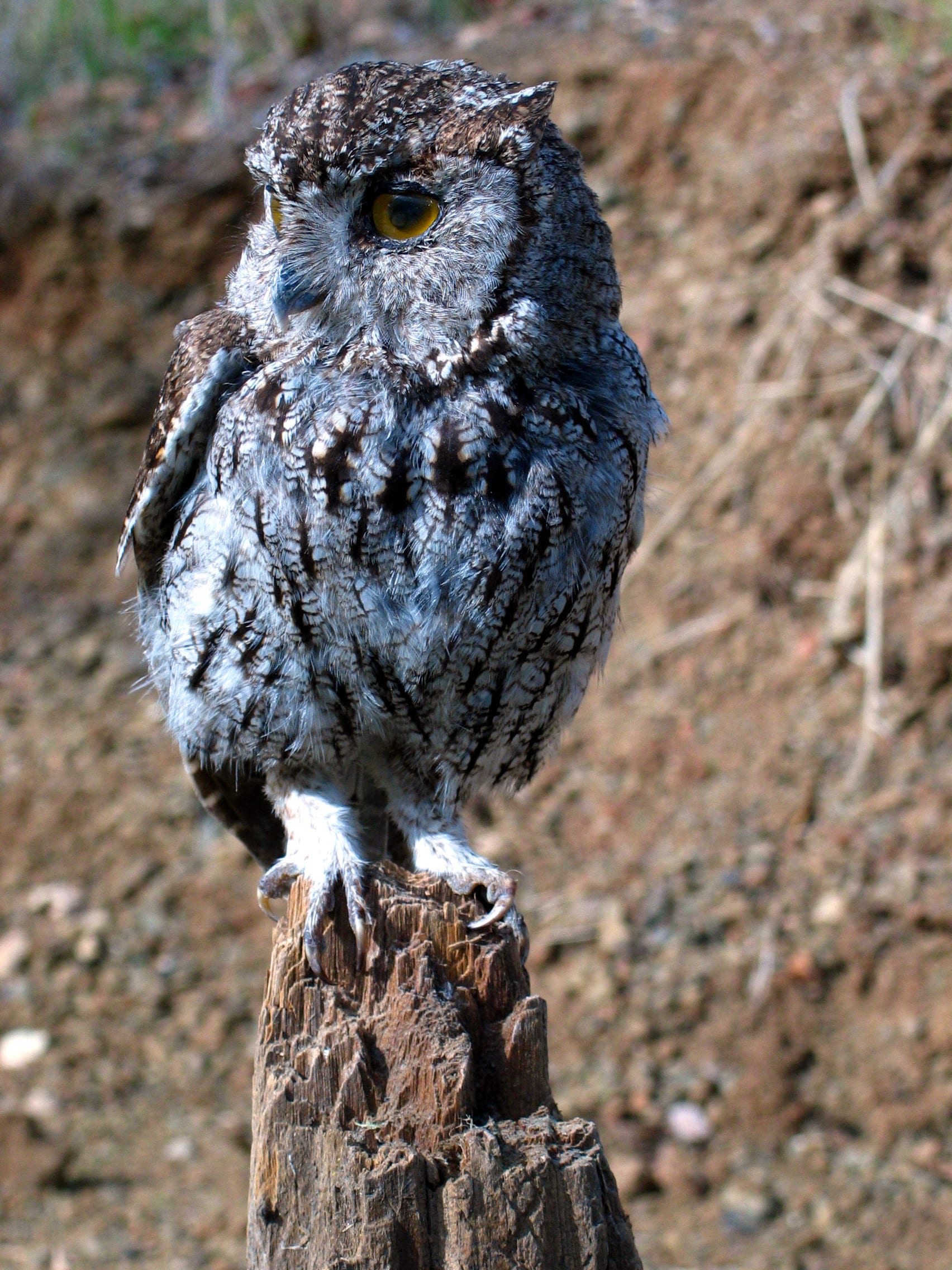
 © U.S. Department of the Interior / Public domain
Western Screech Owl
The Western Screech Owl is a small owl species native to western North America down through Central America. Compact in build, it averages 22 cm in length with a 55 cm wingspan, and is best known for its short, accelerating whistle-like call — the key trait that distinguishes it from the closely related Eastern Screech Owl. Its quiet nocturnal flight and sharp, watchful gaze give it real presence, but keeping one well requires specialized knowledge and a properly prepared setup, making this an advanced-level species best suited to experienced keepers.
View Western Screech Owl encyclopedia →0% commission on your first sales!Register by September 30, 2026 and your first 2 sales are commission-free!
Breeder Wanted!
List on BreederDirect and sell directly to customers nationwide!
Six Transparency Commitments from BreederDirect
All Birds listings include complete Breeder transparency: hand-raised status, DNA sex determination, and health certification details.
- Hand-Raised
- DNA Sex-Determined
- Health Certified
- Origin Disclosed
- Color Variation Specified
- Age in Months Disclosed
Browse all 247 breeds
Care Level
No listings match your filters
Adjust your filters, or get notified when new listings arrive.
Getting alerts is free with a member account. When new listings match your saved search, we'll notify you by email and in-app.
Browse other categories
Verified breeders (preview)
Western Screech Owl key facts
- Care level
- Advanced
- Lifespan
- 8-12 years
- Size
- Average 22cm (wingspan 55cm, weight 88-220g, average 143g)
- Diet
- Insects, small mammals and small birds in the wild; frozen mice, day-old chicks and quail in captivity
- Cage
- As a cavity nester it needs a permanent nest box plus branches or boards to hide behind by day, and although small it flies at night, so the aviary must allow horizontal flight.
- Temperament
- Nocturnal, it spends the day in hiding. It settles best alone or as a pair; keeping several together invites fighting in the breeding season.
- Vocalization
- By night it repeats an accelerating series of short whistles, or a trill falling slightly at the end, and it also barks and chuckles.
- Notes
- Listed on CITES Appendix II, so import requires an export permit. Frozen mice, chicks and quail are thawed for feeding, and a steady supply of raptor food is a precondition for keeping the bird.
About Western Screech Owl
A small owl native to western North America and Central America, known for its short, accelerating whistle-like call. Averaging 22 cm long with a 55 cm wingspan, it's an advanced-level species requiring specialized care.
7 things to know before welcoming a Western Screech Owl
1An Advanced-Level Species
The Western Screech Owl is a raptor that calls for specialized knowledge and experience. It isn't a good fit for a first-time keeper, so thorough research and preparation beforehand are essential.
2Fully Nocturnal
This owl rests through the day and becomes active at night, so its rhythm runs opposite to a typical human schedule. Provide a quiet daytime resting space and plan its enclosure around nighttime activity.
3A Distinctive Call
Its call is a series of short whistles that accelerate in tempo — the trait used to tell it apart from the closely related Eastern Screech Owl. Because calling happens at night, consider sound and neighbors when planning where to keep it.
4Compact in Size
This is a small owl, averaging 22 cm in length with a 55 cm wingspan and a weight of roughly 88–220 g (about 143 g on average). Despite its small size, it has the sharp talons and beak typical of raptors, so handling requires care.
5A Carnivorous Diet
This owl is a carnivore that feeds on insects and small mammals in the wild. Confirm the right food types and feeding routine with the breeder or a specialist before bringing one home.
6A Spacious Enclosure
As a raptor, it needs a cage or aviary large enough to spread its wings and fly. A cramped space can lead to stress and health issues, so secure adequate room before bringing one home.
7Research Before You Bring One Home
Before bringing one home, talk with the breeder in detail about housing and daily care. Take time to observe the individual bird and prepare at a comfortable pace.
Frequently asked questions about Western Screech Owl
- Q.Can a beginner keep a Western Screech Owl?
- A.This species is considered suitable for advanced keepers. Caring for a nocturnal raptor requires specialized knowledge and setup, so thorough learning and preparation beforehand are important.
- Q.What does its call sound like?
- A.It has a distinctive call made up of short whistles that accelerate in tempo. This call is what distinguishes it from the closely related Eastern Screech Owl.
- Q.How big does it get?
- A.It's a small owl, averaging 22 cm in length with a 55 cm wingspan. Body weight typically ranges from 88 to 220 g, averaging around 143 g.
- Q.What should it be fed?
- A.It's a carnivore that preys on insects and small mammals. It's best to work out the specific food types and quantities together with the breeder or a specialist.
- Q.Is the Western Screech Owl covered by CITES?
- A.Western Screech Owl is listed in CITES Appendix II. International trade requires a permit from the exporting country, but as far as CITES is concerned, no registration is needed to buy or sell individuals already legally in Japan.
Useful tools for Western Screech Owl care
Learn more about Western Screech Owl in the encyclopedia
View Western Screech Owl encyclopedia entry →
Care difficulty, lifespan, size and diet — all basics covered.
More in this category
Can't find the one you're looking for?
Post your wishes for free and breeders with matching animals will contact you with introductions.