 © Quartl / CC BY-SA 3.0
Saker Falcon
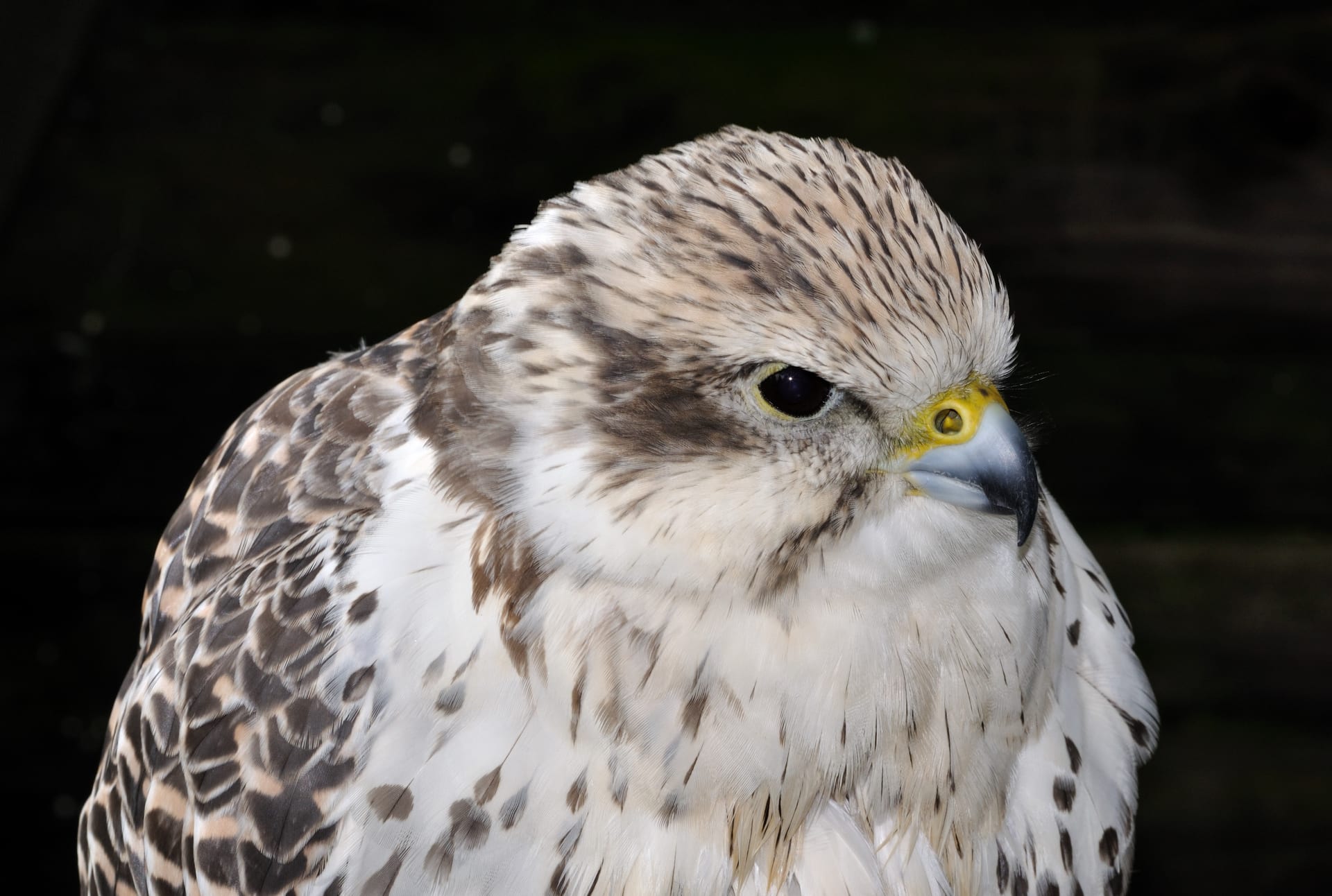
The Saker Falcon is a large falcon, second in size only to the Gyrfalcon, with females growing noticeably larger than males. For thousands of years it has served as a prized partner in Middle Eastern falconry, admired for its swift flight and piercing gaze. While intelligent and capable of bonding with a handler, it retains strong wild instincts and a powerful drive to fly, so its care demands specialized knowledge and hands-on experience. This is a breed suited to experienced keepers with a falconry or raptor-handling background, not a first bird.
View Saker Falcon encyclopedia →0% commission on your first sales!Register by September 30, 2026 and your first 2 sales are commission-free!
Breeder Wanted!
List on BreederDirect and sell directly to customers nationwide!
Six Transparency Commitments from BreederDirect
All Birds listings include complete Breeder transparency: hand-raised status, DNA sex determination, and health certification details.
- Hand-Raised
- DNA Sex-Determined
- Health Certified
- Origin Disclosed
- Color Variation Specified
- Age in Months Disclosed
Browse all 247 breeds
Care Level
No listings match your filters
Adjust your filters, or get notified when new listings arrive.
Getting alerts is free with a member account. When new listings match your saved search, we'll notify you by email and in-app.
Browse other categories
Verified breeders (preview)
Saker Falcon key facts
- Care level
- Advanced
- Lifespan
- 15-20 years
- Size
- 45-57cm (wingspan 97-126cm; males 730-990g, females 970-1,300g)
- Diet
- Frozen raptor food such as quail and day-old chicks; in the wild medium to large birds and mammals
- Cage
- With a wingspan over 120 cm it needs a large weather-proof, predator-proof mews or tethered housing plus daily free flight, with enough space and suitable perch surfaces to spare the feathers.
- Temperament
- A solitary hunter with no group sociability. Swift and powerful, it is effective against medium to large quarry, but handling it demands real experience and daily weight management.
- Vocalization
- In the breeding season or when excited it gives a harsh repeated call. It is not a persistent caller, but the volume befits its size.
- Notes
- The IUCN assesses the species as Endangered. It is listed on CITES Appendix II, so import requires an export permit; choose captive-bred birds and confirm provenance.
About Saker Falcon
The Saker Falcon is a large falcon long used in Middle Eastern falconry, admired for its swift flight and sharp gaze. Suited to experienced keepers with raptor-handling knowledge, not a first bird.
7 things to know before welcoming a Saker Falcon
1For Experienced Keepers Only
Saker Falcons are rated for experienced keepers. Don't take one on without prior hands-on experience and solid knowledge of raptor biology and training — build that foundation first.
2Needs Room to Fly
As a large falcon with a strong drive to fly, it needs regular exercise and real flying opportunities. An indoor-only setup is not suitable.
3Females Grow Larger
Like many raptors, Saker Falcons show reverse size dimorphism — females are larger than males (roughly 970-1,300g vs. 730-990g). Choose housing and equipment sized to your bird's sex.
4Trainable but Wary by Nature
They're intelligent and can bond with a handler, but retain strong wild instincts and independence. Let the bird set the pace rather than forcing interaction.
5Requires Specialized Gear
You'll need falconry-specific equipment such as perches, a hood, and jesses. Day-to-day handling and upkeep call for specialized knowledge.
6Diet Needs Expert Guidance
As a carnivorous raptor, it needs carefully managed feeding — the right type, amount, and frequency. Getting this wrong affects health, so learning under an experienced mentor is advisable.
7Line Up Support Before Taking One On
Establish a relationship with a vet and experienced falconers before bringing one home, so help is available if something comes up. Make sure your care setup is ready in advance.
Frequently asked questions about Saker Falcon
- Q.Can beginners keep a Saker Falcon?
- A.Generally, no — this isn't recommended. Saker Falcons suit experienced keepers with specialized knowledge of raptor biology and training. It's best to learn under an experienced falconer first.
- Q.Do males and females differ in size?
- A.Yes. As with many raptors, females grow larger than males. Typical weights are roughly 730-990g for males and 970-1,300g for females.
- Q.Can it be kept indoors only?
- A.An indoor-only setup isn't suitable. As a large falcon with a strong drive to fly, it needs regular exercise and real opportunities to fly.
- Q.How big does a Saker Falcon get?
- A.Body length runs about 45-57cm, with a wingspan of 97-126cm when fully extended. It's a large falcon, second in size only to the Gyrfalcon.
- Q.Is it a friendly, tame bird?
- A.It's intelligent and can respond well to a handler, but it retains strong wild instincts and independence. Building the relationship at the bird's own pace is important.
Useful tools for Saker Falcon care
Learn more about Saker Falcon in the encyclopedia
View Saker Falcon encyclopedia entry →
Care difficulty, lifespan, size and diet — all basics covered.
More in this category
Can't find the one you're looking for?
Post your wishes for free and breeders with matching animals will contact you with introductions.