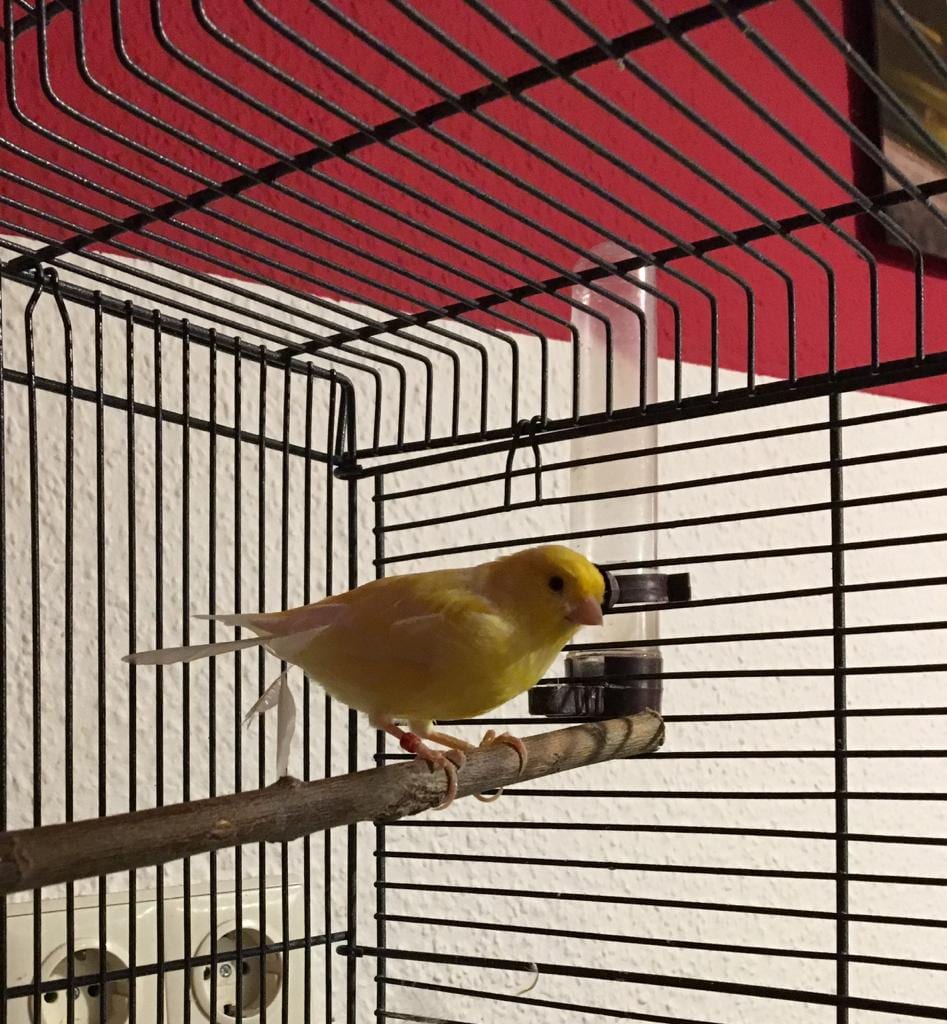
 © Samuel Wiese / CC BY-SA 4.0
Roller Canary
The Roller Canary is a German song-canary breed developed in the Harz region for one purpose: its voice. Appearance and plumage color play no part in how the breed is judged — everything comes down to song quality. It sings with its beak held almost completely closed, producing a soft, continuous rolling warble that flows rather than bursts, quite unlike the brighter, more staccato song of most other canary breeds. Roller Canaries tend to be calm and bond well with people, but getting the best from their singing calls for a quiet, settled environment and a bit of hands-on experience, which is why they're generally considered a breed for intermediate keepers. Adults reach about 13.5–14.5 cm, and with a typical lifespan of around 10 years, this is a bird to welcome with a long-term commitment in mind.
View Roller Canary encyclopedia →0% commission on your first sales!Register by September 30, 2026 and your first 2 sales are commission-free!
Breeder Wanted!
List on BreederDirect and sell directly to customers nationwide!
Six Transparency Commitments from BreederDirect
All Birds listings include complete Breeder transparency: hand-raised status, DNA sex determination, and health certification details.
- Hand-Raised
- DNA Sex-Determined
- Health Certified
- Origin Disclosed
- Color Variation Specified
- Age in Months Disclosed
Browse all 247 breeds
Care Level
No listings match your filters
Adjust your filters, or get notified when new listings arrive.
Getting alerts is free with a member account. When new listings match your saved search, we'll notify you by email and in-app.
Browse other categories
Verified breeders (preview)
Roller Canary key facts
- Care level
- Intermediate
- Lifespan
- Around 10 years
- Size
- 13.5-14.5cm
- Diet
- Canary-seed-based mix, greens, cuttlebone or oyster grit
- Cage
- During song training it is kept in an individual song cage in quiet surroundings. Otherwise house it singly with perches and a bath dish.
- Temperament
- It tames readily, and some birds will take food from the keeper's hand even without being hand-reared.
- Vocalization
- It sings rolling tours softly and low with the bill almost closed, quieter and easier on the ear than other canaries.
- Notes
- Birds are fragile during the moult, when most losses occur. They are prone to red mite, so keep perches and cage scrupulously clean.
About Roller Canary
Roller Canary: a German song breed prized purely for its soft, closed-beak rolling warble. Learn its temperament, care basics, and what to know before bringing one home.
7 things to know before welcoming a Roller Canary
1Bred for Song, Not Looks
Roller Canaries have been selected for generations purely on the quality of their song, not their body shape or plumage color. Because of this, individual birds vary quite a bit in appearance — this is a breed you choose with your ears, not your eyes.
2A Rolling, Closed-Beak Song
Their signature trait is singing with the beak barely open, producing a soft, continuous rolling warble rather than the brighter, bursting song of other canary breeds. Keeping them calm and unstartled helps preserve the quality of that song.
3Needs a Quiet Setting
Loud noises and frequent foot traffic can stress the bird and affect its singing quality. Place the cage in a quiet room away from heavy activity, with stable temperatures.
4Generally Calm Temperament
Roller Canaries tend to bond well with people and do fine kept alone. Individual personalities vary, though, so give a newly arrived bird time to settle in before handling it.
5Suited to Intermediate Keepers
Day-to-day feeding and care are similar to other canaries, but keeping the song at its best takes some experience in managing the bird's environment and reading its condition. First-time keepers should brush up on basic canary care beforehand.
6Adult Size and Lifespan
Adults grow to roughly 13.5–14.5 cm and typically live around 10 years. Plan your space and long-term routine with that commitment in mind.
7What to Prepare Beforehand
Along with the basics — cage, perches, a bathing dish — decide in advance on a quiet spot to keep the cage. Newly arrived birds are easily startled by change, so give them time to settle without rushing.
Frequently asked questions about Roller Canary
- Q.What does a Roller Canary's song sound like?
- A.It sings with its beak almost completely closed, producing a soft, continuous rolling warble rather than a bright, bursting melody. This distinctive style is quite different from the song of most other canary breeds.
- Q.Is this breed suitable for a first-time keeper?
- A.It's generally considered a breed for intermediate keepers. Basic daily care is similar to other canaries, but getting the best out of its singing takes some experience managing its environment.
- Q.How big does a Roller Canary get?
- A.Adults typically reach about 13.5–14.5 cm in length, which is a fairly standard size for a canary.
- Q.How long do Roller Canaries live?
- A.Their typical lifespan is around 10 years. It's worth planning your care routine and living space with that long-term commitment in mind.
- Q.Do males and females sing differently?
- A.As with canaries generally, it's mainly the males that are bred and selected for singing, while females tend to sing less often and less loudly. If having a strong singer is your priority, a male is the usual choice, though individuals vary.
Useful tools for Roller Canary care
Learn more about Roller Canary in the encyclopedia
View Roller Canary encyclopedia entry →
Care difficulty, lifespan, size and diet — all basics covered.
More in this category
Can't find the one you're looking for?
Post your wishes for free and breeders with matching animals will contact you with introductions.