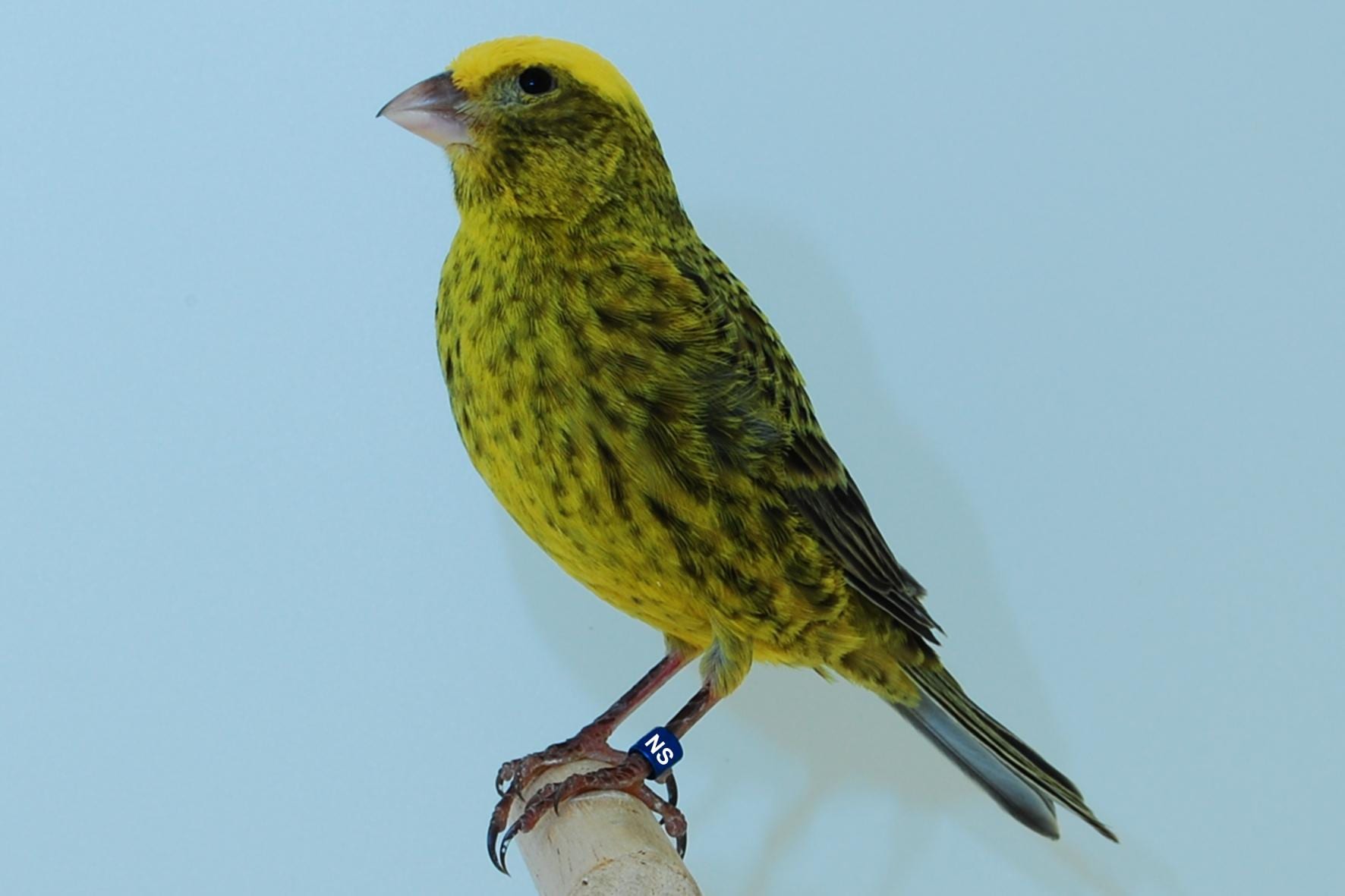
 © NEWSchr / CC BY-SA 4.0
Lizard Canary
The Lizard Canary is instantly recognizable for the neat, scale-like markings running down its back and sides, topped off with a pale "cap" on the crown of its head. It's prized above all for how symmetrical that patterning is, and it's considered the oldest canary breed still in existence, long kept and shown for its striking plumage. Beyond its looks, it's a lively singer that's genuinely pleasant to have around, and watching the pattern shift slightly with each molt is part of the fun of keeping one. Getting the care right takes a bit of know-how, so it's generally better suited to keepers with some prior bird-keeping experience than to absolute beginners — but with steady care, it can be a companion for around 10 years.
View Lizard Canary encyclopedia →0% commission on your first sales!Register by September 30, 2026 and your first 2 sales are commission-free!
Breeder Wanted!
List on BreederDirect and sell directly to customers nationwide!
Six Transparency Commitments from BreederDirect
All Birds listings include complete Breeder transparency: hand-raised status, DNA sex determination, and health certification details.
- Hand-Raised
- DNA Sex-Determined
- Health Certified
- Origin Disclosed
- Color Variation Specified
- Age in Months Disclosed
Browse all 247 breeds
Care Level
No listings match your filters
Adjust your filters, or get notified when new listings arrive.
Getting alerts is free with a member account. When new listings match your saved search, we'll notify you by email and in-app.
Browse other categories
Verified breeders (preview)
Lizard Canary key facts
- Care level
- Intermediate
- Lifespan
- Around 10 years
- Diet
- Canary-seed-based mix, greens, cuttlebone or oyster grit
- Cage
- House singly in a cage with perches and a bath dish. Avoid crowding, which damages the spangled markings.
- Temperament
- Tame and easy to handle. As the breed is judged on markings, show birds are trained to settle in the show cage.
- Vocalization
- Less cultivated in song than the song breeds, but males sing clearly at modest volume.
- Notes
- Birds are fragile during the moult, when most losses occur. They are prone to red mite, so keep perches and cage scrupulously clean.
About Lizard Canary
Lizard Canary: prized for its scale-like plumage pattern and pale head cap, and considered among the oldest canary breeds still kept today. Best suited to keepers with some experience; lifespan around 10 years.
7 things to know before welcoming a Lizard Canary
1Symmetry defines the look
The Lizard Canary's main appeal is how symmetrically its scale-like pattern lines up on the back and sides. Damaged feathers can noticeably change that impression, so it helps to set up perches and cage fittings that minimize the chance of feathers catching or wearing.
2Molting reshapes the pattern
During molting, feathers are replaced and the pattern's appearance shifts gradually. Molting takes a physical toll, so it's worth paying extra attention to diet and a calm resting environment during this period.
3Males are the singers
As with canaries generally, it's the males that sing, and the Lizard Canary is no exception. If you want to enjoy the song, look at males; if you'd prefer a quieter bird, a female may suit better.
4Watch drafts and temperature swings
As a small bird, it's best kept away from direct air-conditioning drafts or spots with sudden temperature swings. A quiet location with a stable room temperature helps keep it in good condition.
5Enjoys bathing
Canaries generally enjoy bathing, and the Lizard Canary is no different. Keeping the feathers clean also helps preserve the look of the pattern, so it's worth providing a shallow bathing dish.
6Best kept singly
Canaries can sometimes squabble with same-sex individuals, so housing multiple birds together requires close attention to compatibility and behavior. Keeping each bird in its own cage is generally the safer approach.
7Why it suits experienced keepers
The Lizard Canary is generally rated as suited to keepers with some experience, since day-to-day care includes things like managing the molt and noticing subtle changes in condition. Since it can be a companion for around 10 years, it helps to have a basic grounding in bird care before bringing one home.
Frequently asked questions about Lizard Canary
- Q.Can beginners keep one?
- A.The Lizard Canary is generally rated as suited to keepers with some experience rather than absolute beginners. Learning some basic bird-care fundamentals beforehand makes it more approachable.
- Q.Is its song loud or disruptive?
- A.Singing is mainly a male trait, and the pleasant song is one of the appeals of keeping a canary. Volume and frequency vary by individual, so it's worth considering males versus females if this is a concern.
- Q.How is it different from other canary breeds?
- A.It's defined by the scale-like markings running along the back and sides and by the pale "cap" on the crown of the head. It's also considered the oldest canary breed still in existence, and is judged specifically on how symmetrical its pattern is, which sets it apart from other breeds.
- Q.Can multiple birds be kept together?
- A.Canaries can sometimes squabble with same-sex birds, so keeping several together in one cage requires carefully checking compatibility. Housing each bird in its own cage is generally the safer choice.
- Q.How long does it live?
- A.Its lifespan is around 10 years. Attentive daily care and a well-set-up environment can help it live out that span comfortably alongside you.
Useful tools for Lizard Canary care
Learn more about Lizard Canary in the encyclopedia
View Lizard Canary encyclopedia entry →
Care difficulty, lifespan, size and diet — all basics covered.
More in this category
Can't find the one you're looking for?
Post your wishes for free and breeders with matching animals will contact you with introductions.