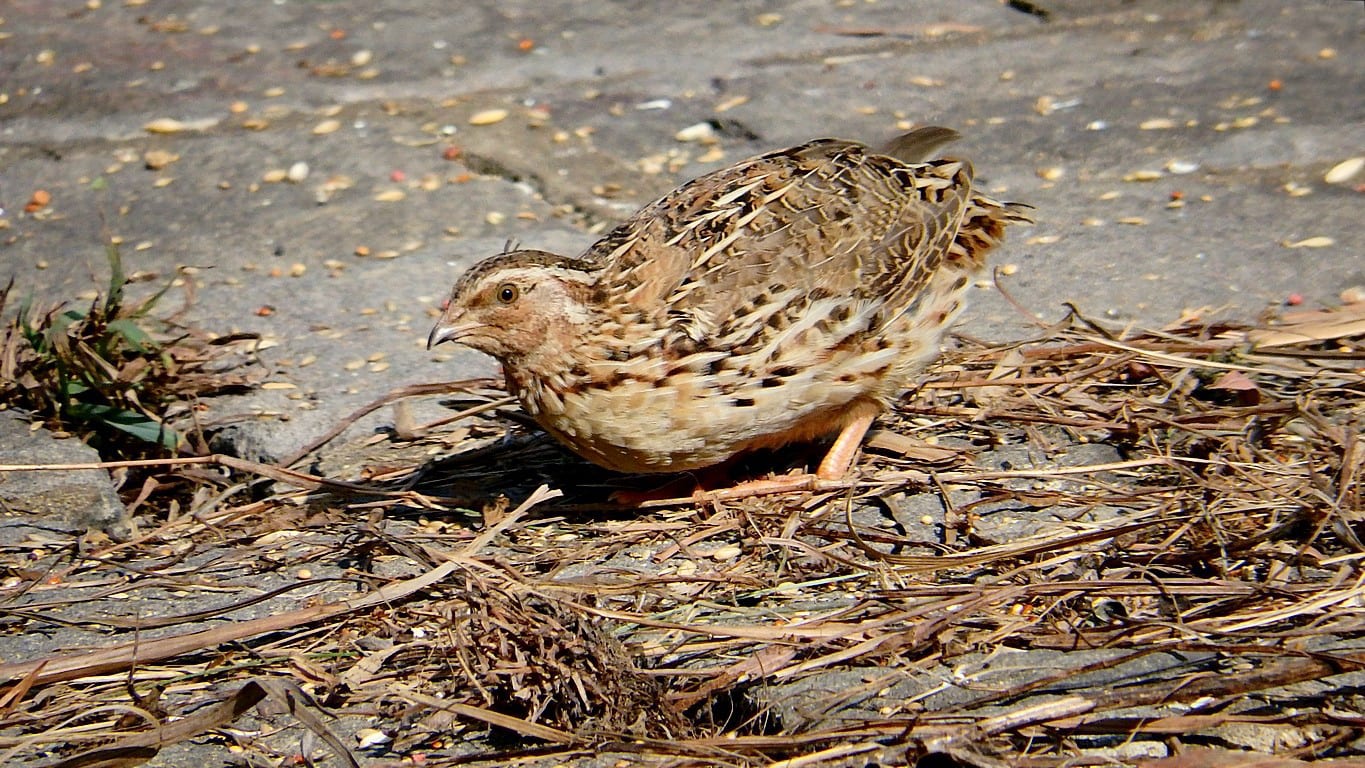
 © 孫鋒 林 from Taipei, Taiwan / CC BY-SA 2.0
Japanese Quail
The Japanese quail is a small member of the pheasant family and is considered the smallest poultry bird commonly kept by people. Measuring around 20cm in length, it has pale brown plumage marked with streaks, and males develop a reddish-brown throat and chest that make it easy to tell the sexes apart. Domestication is believed to have begun in Japan, where quail have long been valued for both their eggs and meat. Rated as beginner-friendly to keep, they bring plenty of character to a small space through their calls and habits. In the wild they typically live 3 to 4 years, though captive individuals have been recorded living as long as 6 years.
View Japanese Quail encyclopedia →0% commission on your first sales!Register by September 30, 2026 and your first 2 sales are commission-free!
Breeder Wanted!
List on BreederDirect and sell directly to customers nationwide!
Six Transparency Commitments from BreederDirect
All Birds listings include complete Breeder transparency: hand-raised status, DNA sex determination, and health certification details.
- Hand-Raised
- DNA Sex-Determined
- Health Certified
- Origin Disclosed
- Color Variation Specified
- Age in Months Disclosed
Browse all 247 breeds
Care Level
No listings match your filters
Adjust your filters, or get notified when new listings arrive.
Getting alerts is free with a member account. When new listings match your saved search, we'll notify you by email and in-app.
Browse other categories
Verified breeders (preview)
Japanese Quail key facts
- Care level
- Beginner-friendly
- Lifespan
- Three to four years in the wild and 1.2 to 1.5 years in commercial and laboratory lines, with a captive record of six years
- Size
- 20cm long (wing 9.1-10.4cm; 90-100g in the wild, 100-120g in domestic stock)
- Temperature
- 15〜24℃
- Diet
- Quail crumbles, grain, greens, insects and a calcium source such as oyster shell
- Cage
- Being a ground bird it needs floor area rather than height, and the ceiling should be of a soft material so a startled bird flushing straight upward is not injured. Provide a dust-bathing area.
- Temperament
- They can be kept in groups, though cocks fight in the breeding season. The mating system is basically monogamous, with cases of polygyny. Inbreeding depression appears readily, so keeping a line going calls for pedigree management.
- Vocalization
- As many as 28 call types have been distinguished by context. The typical crow of the male is two short parts followed by a long trill, and hens exposed to crowing males mature earlier.
- Notes
- The preferred range is 15 to 24 C and the birds stand cold poorly; prolonged cold triggers a moult, so provide winter heating. Wild birds are covered by the Wildlife Protection Act and may not be taken or transferred; only birds bred as domestic stock are traded.
About Japanese Quail
A guide to keeping Japanese quail, one of the smallest poultry birds. About 20cm long with streaked brown plumage, they are beginner-friendly and have long been valued for both eggs and meat.
7 things to know before welcoming a Japanese Quail
1Compact Housing Needs
At around 20cm long, Japanese quail don't need a large enclosure, making them easy to start with in limited space. They startle easily and can jump straight up, so a cage with a soft or padded ceiling helps prevent head injuries.
2Vocal Especially in Season
Males tend to call frequently, especially during the breeding season. If you live in an apartment or another shared building, it's worth checking in advance whether the calls might carry to neighbors.
3Group Dynamics
Quail are naturally social and often kept in groups, but males can become territorial and fight with one another. When housing several together, keeping more females than males helps reduce conflict.
4Frequent Egg-Laying
Females tend to lay eggs almost daily. Given their long history as an egg and meat source, this steady laying pattern often continues in home care as well.
5Lifespan Varies by Strain
Wild quail typically live 3 to 4 years, while strains bred for industrial or laboratory use tend to have a shorter lifespan of around 1.2 to 1.5 years. Captive individuals have been recorded living as long as 6 years, so lifespan can vary considerably by strain and care.
6Bedding and Cleanliness
Since quail spend most of their time on the ground, keeping the bedding clean is key to their health. Droppings and spilled food can build up quickly, so regular cleaning should become a routine.
7Preparing Before Arrival
Before bringing a quail home, prepare the enclosure, food, and water containers in advance. Although considered beginner-friendly, it's best to keep them in a quiet spot and watch over them gently while they settle into their new environment.
Frequently asked questions about Japanese Quail
- Q.Are Japanese quail easy to keep for beginners?
- A.Japanese quail are generally considered beginner-friendly to keep. They're small and don't need much space, though it helps to know a few things in advance, such as their calls and how they get along in groups.
- Q.How long do Japanese quail live?
- A.In the wild, they typically live 3 to 4 years. Strains bred for industrial or laboratory use tend to have a shorter lifespan of around 1.2 to 1.5 years, though captive individuals have been recorded living as long as 6 years, so it varies by strain.
- Q.How can you tell males and females apart?
- A.Males develop a reddish-brown throat and chest, while females keep a paler color in that area. This difference becomes easier to spot once their adult plumage comes in.
- Q.Are Japanese quail noisy?
- A.Males in particular tend to call frequently, especially during the breeding season. If you live in an apartment or another close-quarters setting, it's worth thinking ahead about whether the calls might be heard by neighbors.
- Q.Are there any CITES regulations on Japanese quail?
- A.Japanese quail are not subject to CITES.
Useful tools for Japanese Quail care
Learn more about Japanese Quail in the encyclopedia
View Japanese Quail encyclopedia entry →
Care difficulty, lifespan, size and diet — all basics covered.
More in this category
Can't find the one you're looking for?
Post your wishes for free and breeders with matching animals will contact you with introductions.