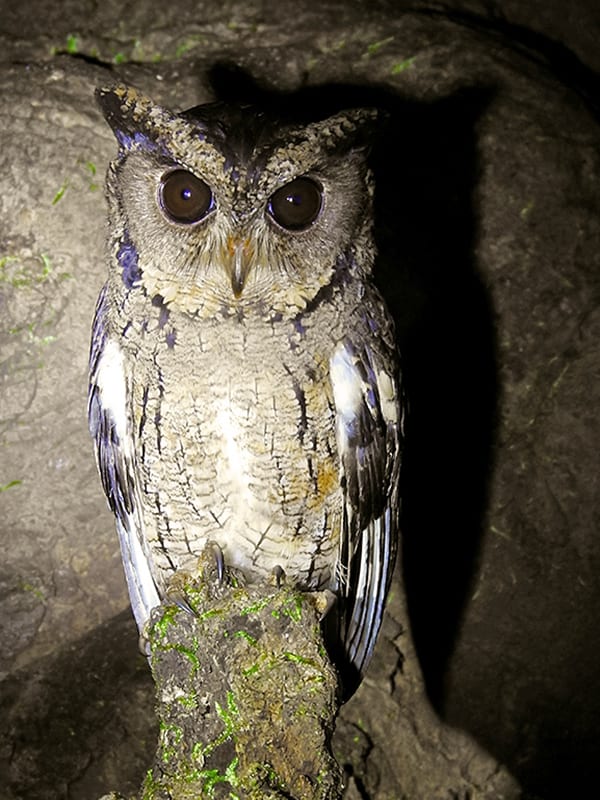
 © Shantanu Kuveskar / CC BY-SA 4.0
Indian Scops Owl
The Indian Scops Owl is a small owl native to South Asia, reaching 23–25cm in length as an adult — making it one of the larger members of the Otus genus. Its pale facial disc and striking orange or brown eyes give it a distinctive, expressive look that appeals to owl enthusiasts. Rather than hooting, it calls with a soft, single "hoo?" note, making it relatively quiet at night. Calm and composed by nature, it nonetheless requires specialized nocturnal care and diet management, making it a bird best suited to experienced keepers rather than first-time owners.
View Indian Scops Owl encyclopedia →0% commission on your first sales!Register by September 30, 2026 and your first 2 sales are commission-free!
Breeder Wanted!
List on BreederDirect and sell directly to customers nationwide!
Six Transparency Commitments from BreederDirect
All Birds listings include complete Breeder transparency: hand-raised status, DNA sex determination, and health certification details.
- Hand-Raised
- DNA Sex-Determined
- Health Certified
- Origin Disclosed
- Color Variation Specified
- Age in Months Disclosed
Browse all 247 breeds
Care Level
No listings match your filters
Adjust your filters, or get notified when new listings arrive.
Getting alerts is free with a member account. When new listings match your saved search, we'll notify you by email and in-app.
Browse other categories
Verified breeders (preview)
Indian Scops Owl key facts
- Care level
- Advanced
- Lifespan
- 9-13 years
- Size
- 23-25cm
- Diet
- Mainly insects in the wild; in captivity frozen mice and chicks plus insects
- Cage
- Suit its cavity-nesting habit with a nest box and foliage it can hide in by day; small though it is, it flies at night and needs room to fly horizontally.
- Temperament
- Nocturnal and still by day, it prefers quiet surroundings. Keep it alone or as a pair and avoid housing several of the species together.
- Vocalization
- It repeats a soft single whuk, a distinctive note that also separates it from its close relatives, and calls at night.
- Notes
- Listed on CITES Appendix II, so import requires an export permit. The wild diet leans heavily on insects. Frozen mice, day-old chicks and quail are thawed for feeding, and a steady supply of raptor food is a precondition for keeping the bird.
About Indian Scops Owl
The Indian Scops Owl is a 23–25cm owl native to South Asia, known for its pale facial disc and orange or brown eyes. This advanced-level species guide covers its temperament and care essentials.
7 things to know before welcoming a Indian Scops Owl
1Nocturnal Lifestyle
The Indian Scops Owl is nocturnal and sleeps for most of the day. Provide a quiet, dimly lit resting space during daylight hours, and plan feeding and care around dusk and evening when the bird becomes active.
2Strictly Carnivorous Diet
This species is strictly carnivorous, requiring a diet centered on insects and small prey such as mice. Getting the nutritional balance and portion sizes right takes some expertise, so it helps to consult a specialist familiar with owl or raptor diets.
3A Soft, Single-Note Call
Its call is a soft, single "hoo?" note — relatively subdued compared to many other owls. That said, it still calls at night, so those in apartments or shared housing should think ahead about sound considerations.
4Spacious Cage Setup
At 23–25cm in length, this is one of the larger Scops Owl species, so it needs a cage or space large enough to move and spread its wings comfortably. Provide multiple perches of a gentle material and appropriate thickness to reduce strain on its feet, and allow room for short flights.
5Limited Physical Contact
Like most owls, the Indian Scops Owl is not naturally suited to being handled, held, or petted. Even once it becomes accustomed to its keeper, it's best to avoid excessive physical contact and instead build trust by observing and interacting from a respectful distance.
6Advanced-Level Care
This species is considered suitable for experienced keepers rather than beginners. Managing its nocturnal schedule and carnivorous diet can be demanding for a first-time bird owner, so prior experience with owls or raptors — or support from a specialist — is strongly recommended.
7Preparing Before You Bring One Home
Before bringing one home, set up the essentials in advance: a quiet resting space, a suitably sized cage, perches, and feeding equipment. Since it's nocturnal, also plan your household noise and lighting schedule around its rhythm so the environment is ready before it arrives.
Frequently asked questions about Indian Scops Owl
- Q.Can beginners keep an Indian Scops Owl?
- A.This species is considered suitable for experienced keepers, not beginners. It requires knowledge of nocturnal care routines and a fully carnivorous diet, so prior bird-keeping experience is recommended.
- Q.Is its call loud?
- A.Its call is a soft, single "hoo?" sound that is relatively quiet compared to many owls. Still, as a nocturnal bird it calls at night, so it's worth considering your living environment.
- Q.What should it be fed?
- A.As a strictly carnivorous species, its diet should center on insects and small prey such as mice. Because balancing nutrition takes specialized knowledge, it's best to consult a specialist familiar with owl diets.
- Q.Can I hold or pet it like other pets?
- A.Like most owls, this species is not naturally suited to being held or petted. Even once accustomed to its keeper, it's best to maintain some distance and build trust gradually rather than seeking close physical contact.
- Q.How big does it get?
- A.As an adult, it reaches 23–25cm in length, making it one of the larger members of the Otus (Scops Owl) genus. It has a distinctive face with a pale facial disc and orange or brown eyes.
Useful tools for Indian Scops Owl care
Learn more about Indian Scops Owl in the encyclopedia
View Indian Scops Owl encyclopedia entry →
Care difficulty, lifespan, size and diet — all basics covered.
More in this category
Can't find the one you're looking for?
Post your wishes for free and breeders with matching animals will contact you with introductions.