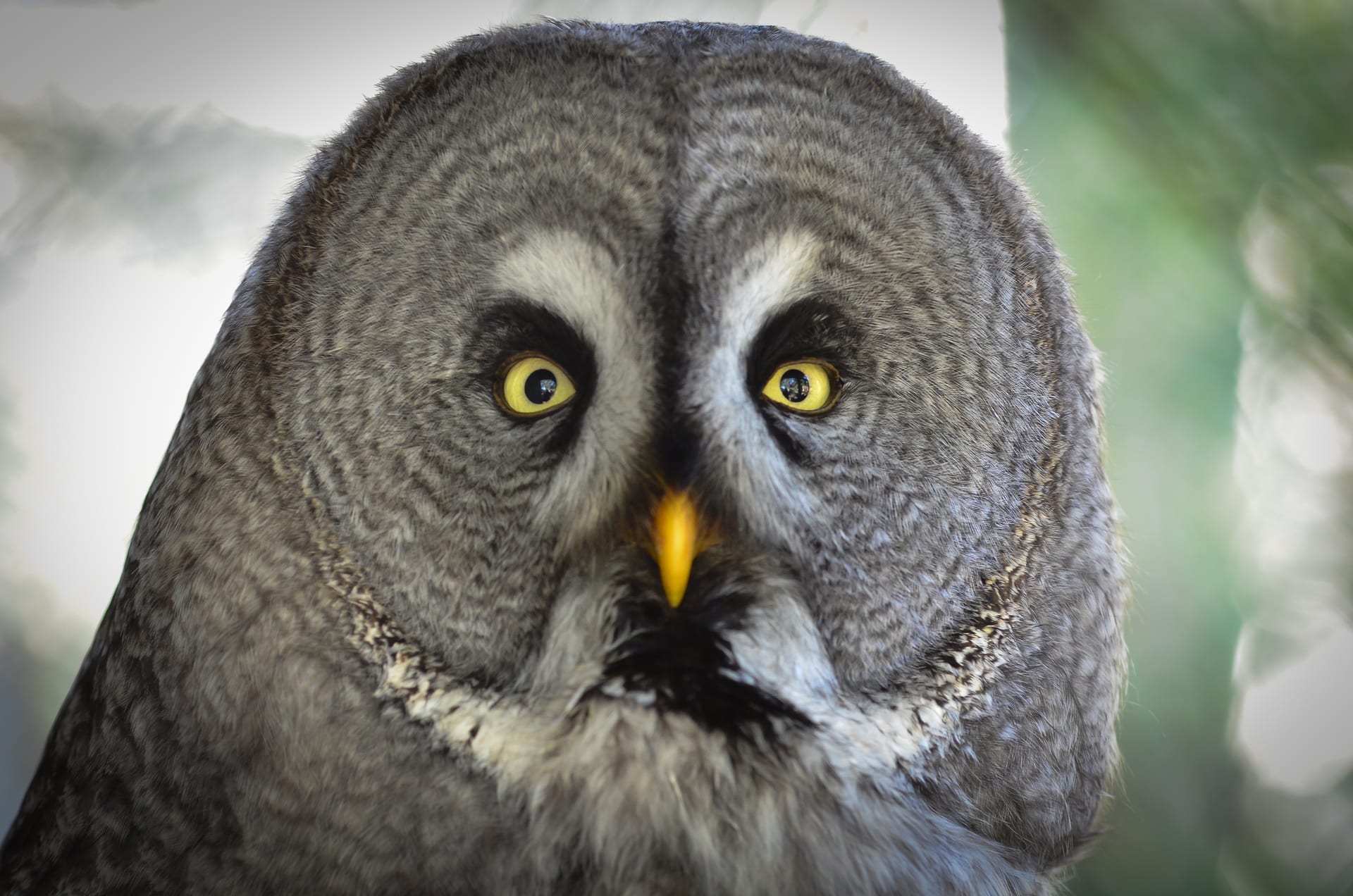
 © Olaf Oliviero Riemer / CC BY-SA 3.0
Great Grey Owl
The Great Grey Owl ranks among the world's largest owls by overall length, with adults reaching 61-84 cm and females typically growing noticeably larger than males. It lacks ear tufts but makes up for it with the biggest facial disc of any raptor and a distinctive white "bow tie" patch beneath its bill, giving it a striking, unmistakable presence. Its thick plumage makes it look heavier than it actually is. While often calm and composed in demeanor, it remains a wild raptor at heart, capable of pinpointing prey moving under snow by sound alone. Its size and temperament call for real handling expertise, making it a bird best suited to experienced keepers.
View Great Grey Owl encyclopedia →0% commission on your first sales!Register by September 30, 2026 and your first 2 sales are commission-free!
Breeder Wanted!
List on BreederDirect and sell directly to customers nationwide!
Six Transparency Commitments from BreederDirect
All Birds listings include complete Breeder transparency: hand-raised status, DNA sex determination, and health certification details.
- Hand-Raised
- DNA Sex-Determined
- Health Certified
- Origin Disclosed
- Color Variation Specified
- Age in Months Disclosed
Browse all 247 breeds
Care Level
No listings match your filters
Adjust your filters, or get notified when new listings arrive.
Getting alerts is free with a member account. When new listings match your saved search, we'll notify you by email and in-app.
Browse other categories
Verified breeders (preview)
Great Grey Owl key facts
- Care level
- Advanced
- Lifespan
- 18-22 years
- Size
- 61-84cm (averaging 72cm in females and 67cm in males; wingspan averages 142cm and 140cm, exceeding 152cm at most)
- Diet
- Frozen mice, rats, day-old chicks and quail; in the wild mammals and birds
- Cage
- With a wingspan over 140 cm it needs an aviary large enough to spare the feathers. As a bird of boreal conifer forest it suffers in heat, so provide shade, ventilation and, if possible, cooling in summer.
- Temperament
- Active by day and night, it is among the more observable owls. Nest defence in the breeding season is fierce and it will strike at people who approach, so keep away at that time.
- Vocalization
- It gives a series of deep, evenly spaced hoots. The low pitch carries far, though the bird is not a persistent caller.
- Notes
- Listed on CITES Appendix II, so import requires an export permit. Its size demands large facilities and substantial rations, and coping with the Japanese summer heat is the main practical challenge.
About Great Grey Owl
The Great Grey Owl is among the world's largest owls by length, known for its huge facial disc and white "bow tie" throat patch. Thick plumage makes it lighter than it looks — an advanced-level bird best suited to experienced keepers.
7 things to know before welcoming a Great Grey Owl
1Owl for Experienced Keepers
Great Grey Owls are large, powerful raptors that require specialized knowledge and hands-on experience to keep well. This is not a bird for first-time raptor owners — it's considered an advanced-level species.
2Lighter Than It Looks
Reaching 61-84 cm in length with a wingspan over 140 cm, the Great Grey Owl looks massive, but its thick plumage means it weighs far less than its size suggests. Handlers are often surprised by how light the bird feels.
3Females Grow Larger
On average, females measure around 72 cm and males around 67 cm, with females consistently outsizing males. Wingspan follows the same pattern, and some individuals exceed 152 cm.
4Needs Room to Fly
With a wingspan that can top 140 cm, this species needs a spacious aviary that allows real flight and wing movement. Cramped housing can quickly lead to stress and feather damage.
5Hunts Purely by Sound
The Great Grey Owl has the largest facial disc of any raptor, which works like a satellite dish to funnel sound to its ears. This lets it locate and catch prey moving beneath snow using hearing alone.
6Calm Yet Still Wild
Many individuals appear composed and quiet, but the instincts of a wild raptor remain close to the surface. Sudden noises or careless approaches can startle the bird, so daily handling calls for care and consistency.
7Preparing Before You Commit
This species suits keepers who already have experience with large raptors, or who can rely on support from someone who does. Research housing setup and handling practices thoroughly before bringing one home.
Frequently asked questions about Great Grey Owl
- Q.Can beginners keep a Great Grey Owl?
- A.No, this species is considered suitable for experienced keepers only. Its large size and specialized care needs make it best suited to those with raptor-keeping experience, or with access to experienced support.
- Q.How big does a Great Grey Owl get?
- A.Adults typically measure 61-84 cm in length, averaging around 72 cm for females and 67 cm for males. Wingspan averages 142 cm in females and 140 cm in males, with some individuals exceeding 152 cm.
- Q.Is it as heavy as it looks?
- A.Not really — thick plumage covers its whole body, so it weighs noticeably less than its large appearance suggests.
- Q.Is the Great Grey Owl covered by CITES?
- A.Great Grey Owl is listed in CITES Appendix II. International trade requires a permit from the exporting country, but as far as CITES is concerned, no registration is needed to buy or sell individuals already legally in Japan.
- Q.What is its temperament like?
- A.Many individuals come across as calm and composed, but the instincts of a wild raptor remain strong. Sudden noise or careless approaches can startle them, so daily handling requires care.
Useful tools for Great Grey Owl care
Learn more about Great Grey Owl in the encyclopedia
View Great Grey Owl encyclopedia entry →
Care difficulty, lifespan, size and diet — all basics covered.
More in this category
Can't find the one you're looking for?
Post your wishes for free and breeders with matching animals will contact you with introductions.