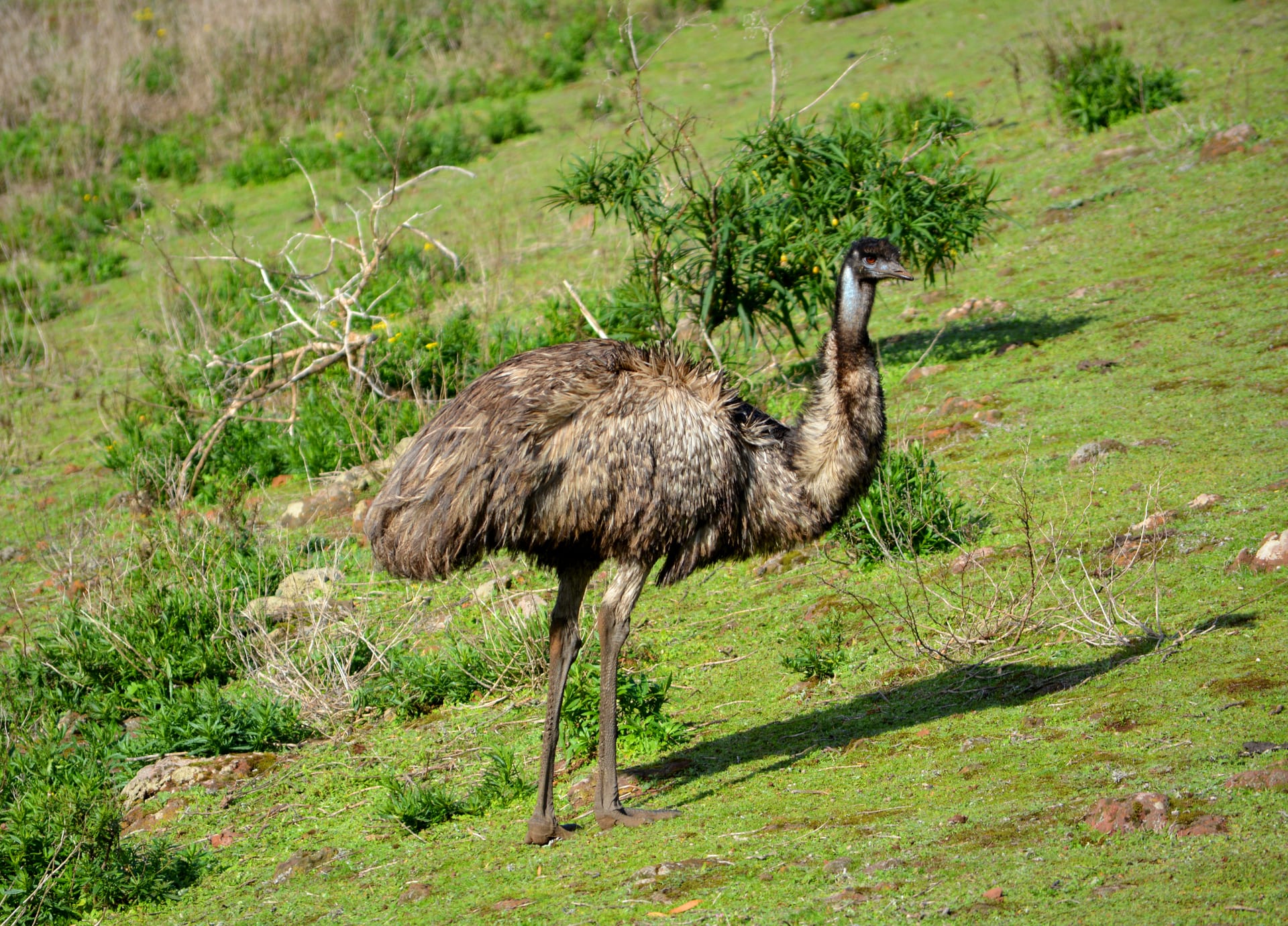
 © fry_theonly / CC BY-SA 2.0
Emu
Emus are Australia's iconic flightless birds, standing 1.6 to 2.0 meters tall — second in height only to the ostrich. Their long legs let them sprint at speeds up to 48 km/h, giving them a striking, powerful presence. Despite their imposing size, emus can become surprisingly calm and personable once accustomed to people, though keeping one requires generous space and solid husbandry knowledge. One of their most distinctive traits is that the male alone incubates the eggs and raises the chicks. With a lifespan that can reach 20 years in captivity, emus are a long-term commitment best suited to experienced keepers.
View Emu encyclopedia →0% commission on your first sales!Register by September 30, 2026 and your first 2 sales are commission-free!
Breeder Wanted!
List on BreederDirect and sell directly to customers nationwide!
Six Transparency Commitments from BreederDirect
All Birds listings include complete Breeder transparency: hand-raised status, DNA sex determination, and health certification details.
- Hand-Raised
- DNA Sex-Determined
- Health Certified
- Origin Disclosed
- Color Variation Specified
- Age in Months Disclosed
Browse all 247 breeds
Care Level
No listings match your filters
Adjust your filters, or get notified when new listings arrive.
Getting alerts is free with a member account. When new listings match your saved search, we'll notify you by email and in-app.
Browse other categories
Verified breeders (preview)
Emu key facts
- Care level
- Advanced
- Lifespan
- Over 10 years in the wild, up to 20 in captivity
- Size
- 1.6-2.0m tall (40-60kg)
- Diet
- Ratite pellets, grass and vegetables; in the wild plant seeds, fruit and insects
- Cage
- A bird that sprints at 48 km/h needs a large paddock with running room and a tall, solid fence rather than a cage, since it can kick through weak structures. Add a shelter giving shade and protection from wind and rain.
- Temperament
- Curious and capable of becoming tame, but its legs are powerful and a kick in the breeding season or when excited can injure a person. Females fight over mates when breeding, so small groups are easier to manage.
- Vocalization
- In the breeding season the female produces a deep drumming resonance with an inflatable neck sac that carries a long way, while the male grunts. The sound is low rather than shrill, but it travels, so consider the distance to neighbours.
- Notes
- Keeping one presupposes acquisition from a licensed dealer plus ample land and robust facilities. It is not a designated dangerous animal, but the legs are powerful enough to injure a handler, so plan human access routes and fence strength separately. The schedule to the enforcement order of Japan's Act on Welfare and Management of Animals lists all species of Casuariidae, and some classifications place the emu in that family, which invites confusion; Ministry of the Environment materials treat the family as covering only the genus Casuarius, so the emu is not included.
About Emu
Emu: Australia's flightless giant, standing nearly 2m tall and capable of running 48 km/h. Males alone incubate eggs and raise chicks. An advanced-level bird that can live up to 20 years in captivity.
7 things to know before welcoming a Emu
1Space to Roam
Emus grow to 1.6–2.0 meters tall, so they need plenty of room to move around freely. Plan for a spacious outdoor area where they can run and stretch their legs.
2Sturdy, Secure Fencing
With a running speed of up to 48 km/h, emus can easily push through or damage flimsy enclosures. Install tall, sturdy fencing and check for any potential escape routes before bringing one home.
3Respect Their Strong Legs
An emu's powerful legs can deliver a forceful kick to match its size. Even with a bird accustomed to people, handling requires caution and hands-on experience.
4Males Raise the Chicks
Uniquely, male emus handle incubation and chick-rearing on their own. If breeding is part of your plans, your setup should account for this division of roles.
5Best for Experienced Keepers
Given their size, space needs, and handling challenges, emus are considered an advanced-level bird. This isn't a good choice for a first-time bird owner, so thorough research beforehand is essential.
6A Long-Term Commitment
Emus can live over 10 years in the wild and up to 20 years in captivity. Bringing one home should be a long-term decision, not a spur-of-the-moment one.
7Choose Your Source Carefully
In Japan, emus are typically obtained through licensed animal dealers or ranches, so it's worth confirming the animal's condition and rearing environment beforehand. Ask questions and make sure you're comfortable before welcoming one into your care.
Frequently asked questions about Emu
- Q.Can beginners keep an emu?
- A.Emus are considered an advanced-level bird due to their large size and strength. They aren't recommended as a first bird, so thorough research and preparation beforehand are essential.
- Q.How big do emus get as adults?
- A.Adult emus reach a height of 1.6 to 2.0 meters and weigh 40 to 60 kg. They're known as the world's second-tallest bird, after the ostrich.
- Q.How long do emus live?
- A.Emus live over 10 years in the wild and can reach up to 20 years in captivity. Bringing one home should be considered a long-term commitment.
- Q.Which parent raises emu chicks?
- A.Uniquely, male emus handle incubation and chick-rearing on their own. Unlike many bird species, it's the father — not the mother — who takes the lead role in raising the young.
- Q.How are emus typically obtained in Japan?
- A.In Japan, emus are typically obtained through licensed animal dealers or ranches. Before bringing one home, it's a good idea to carefully check the animal's condition and rearing environment.
Useful tools for Emu care
Learn more about Emu in the encyclopedia
View Emu encyclopedia entry →
Care difficulty, lifespan, size and diet — all basics covered.
More in this category
Can't find the one you're looking for?
Post your wishes for free and breeders with matching animals will contact you with introductions.