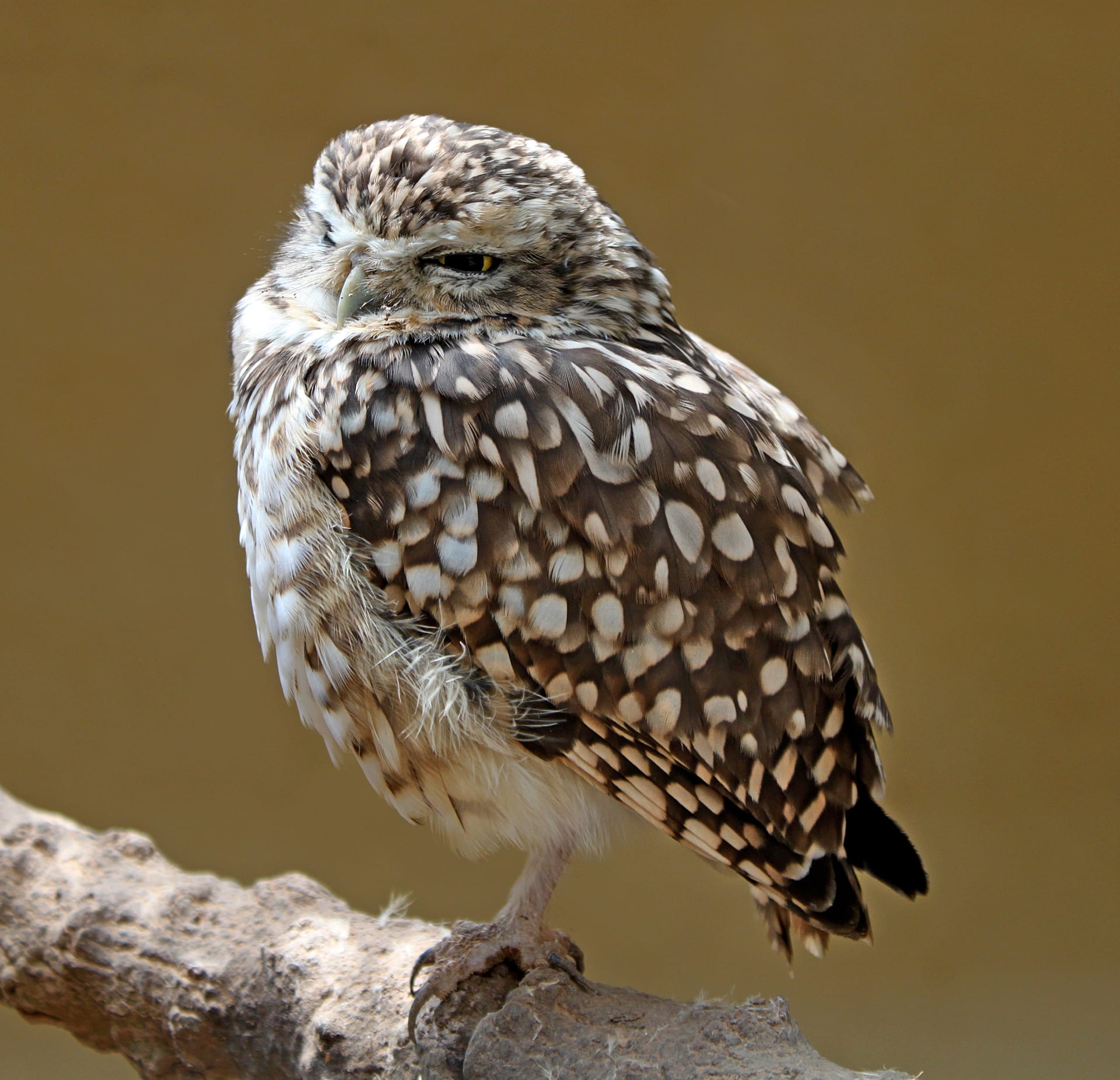
 © H. Zell / CC BY-SA 3.0
Burrowing Owl
Unlike most owls, the Burrowing Owl is built for life on the ground. Its unusually long legs let it walk and run across open terrain, and it often moves into abandoned burrows dug by prairie dogs or other animals rather than nesting in trees. Uncommonly for an owl, it's active during the day, making it easier to observe than most nocturnal species. Compact in size — roughly 19 to 28 cm long, weighing 140 to 240 g, with a wingspan up to about 61 cm — it has an endearing look, but that shouldn't be mistaken for ease of care: this is an advanced-level species that calls for real experience and a well-prepared setup before bringing one home.
View Burrowing Owl encyclopedia →0% commission on your first sales!Register by September 30, 2026 and your first 2 sales are commission-free!
Breeder Wanted!
List on BreederDirect and sell directly to customers nationwide!
Six Transparency Commitments from BreederDirect
All Birds listings include complete Breeder transparency: hand-raised status, DNA sex determination, and health certification details.
- Hand-Raised
- DNA Sex-Determined
- Health Certified
- Origin Disclosed
- Color Variation Specified
- Age in Months Disclosed
Browse all 247 breeds
Care Level
No listings match your filters
Adjust your filters, or get notified when new listings arrive.
Getting alerts is free with a member account. When new listings match your saved search, we'll notify you by email and in-app.
Browse other categories
Verified breeders (preview)
Burrowing Owl key facts
- Care level
- Advanced
- Lifespan
- 8-10 years
- Size
- 19-28cm (wingspan 50.8-61cm, 140-240g)
- Diet
- Frozen mice, day-old chicks and insects such as crickets; in the wild grasshoppers and other insects plus small mammals
- Cage
- Strongly terrestrial, it is better served by floor area than by perches. A pipe or ground-level box standing in for a burrow helps it settle, and the floor should be kept dry, ideally with diggable sand.
- Temperament
- Active by day, it is among the easier owls to observe. It runs on the ground after prey, so a layout that lets it use the floor keeps it in better condition.
- Vocalization
- Males give a two-note coo-coo in the breeding season, and when alarmed produce a rasp resembling a rattlesnake. It calls by day as well as at night.
- Notes
- Listed on CITES Appendix II, so import requires an export permit. Being terrestrial, it is prone to foot problems from soiled bedding, so keep the floor clean and dry.
About Burrowing Owl
Discover the Burrowing Owl, a ground-dwelling owl known for its long legs and daytime activity. An advanced-level species — here's what to know before bringing one home.
7 things to know before welcoming a Burrowing Owl
1An advanced-level species
The Burrowing Owl is classified as an advanced-care species. It isn't recommended for first-time keepers without prior experience or specialized knowledge. Research its needs and natural behavior thoroughly before deciding to bring one home.
2Ground-level living space
Unlike owls that perch in trees, this species spends most of its time walking and moving on the ground. Its enclosure should provide ample floor space along with burrow-like structures it can retreat into.
3Unusually active by day
Most owls are nocturnal, but the Burrowing Owl is notably active during daylight hours. This makes it easier to observe, though its environment still needs to support a natural, consistent daily rhythm.
4Burrow-like shelter
In the wild, this owl often takes over abandoned burrows dug by prairie dogs and other animals. Providing a burrow-like shelter in captivity helps recreate that sense of security.
5A wary, independent temperament
As a bird of prey, it tends to be alert and fairly independent by nature. Building trust takes patience — let the bird set the pace rather than forcing handling or close contact.
6Daily health monitoring
Being a small raptor, subtle changes in condition can be easy to miss. Keep an eye on appetite, droppings, and the condition of its legs and feathers, and consult a specialist promptly if anything seems off.
7Preparing before you bring one home
Caring for a bird of prey differs significantly from typical pet care. Learn about its biology and daily needs from reliable sources beforehand, and honestly consider whether you can provide long-term care.
Frequently asked questions about Burrowing Owl
- Q.Can beginners keep a Burrowing Owl?
- A.This species is considered an advanced-level pet. It isn't recommended for those without experience or specialized knowledge of raptor care. Thorough research and preparation are essential before bringing one home.
- Q.Why is it active during the day?
- A.While most owls are nocturnal, the Burrowing Owl is unusual in being active during daylight hours as well. This makes it possible to observe its behavior even in the daytime.
- Q.How big does it get as an adult?
- A.Adults measure roughly 19 to 28 cm in length, with a wingspan of about 50.8 to 61 cm. At 140 to 240 g, it's a relatively small owl.
- Q.Why does it need a burrow-like environment?
- A.In the wild, it typically nests in abandoned burrows dug by animals like prairie dogs. Recreating a similar burrow-like space in captivity is thought to help it feel more secure.
- Q.Are there legal restrictions on this species?
- A.Burrowing Owl is listed in CITES Appendix II. International trade requires a permit from the exporting country, but as far as CITES is concerned, no registration is needed to buy or sell individuals already legally in Japan.
Useful tools for Burrowing Owl care
Learn more about Burrowing Owl in the encyclopedia
View Burrowing Owl encyclopedia entry →
Care difficulty, lifespan, size and diet — all basics covered.
More in this category
Can't find the one you're looking for?
Post your wishes for free and breeders with matching animals will contact you with introductions.