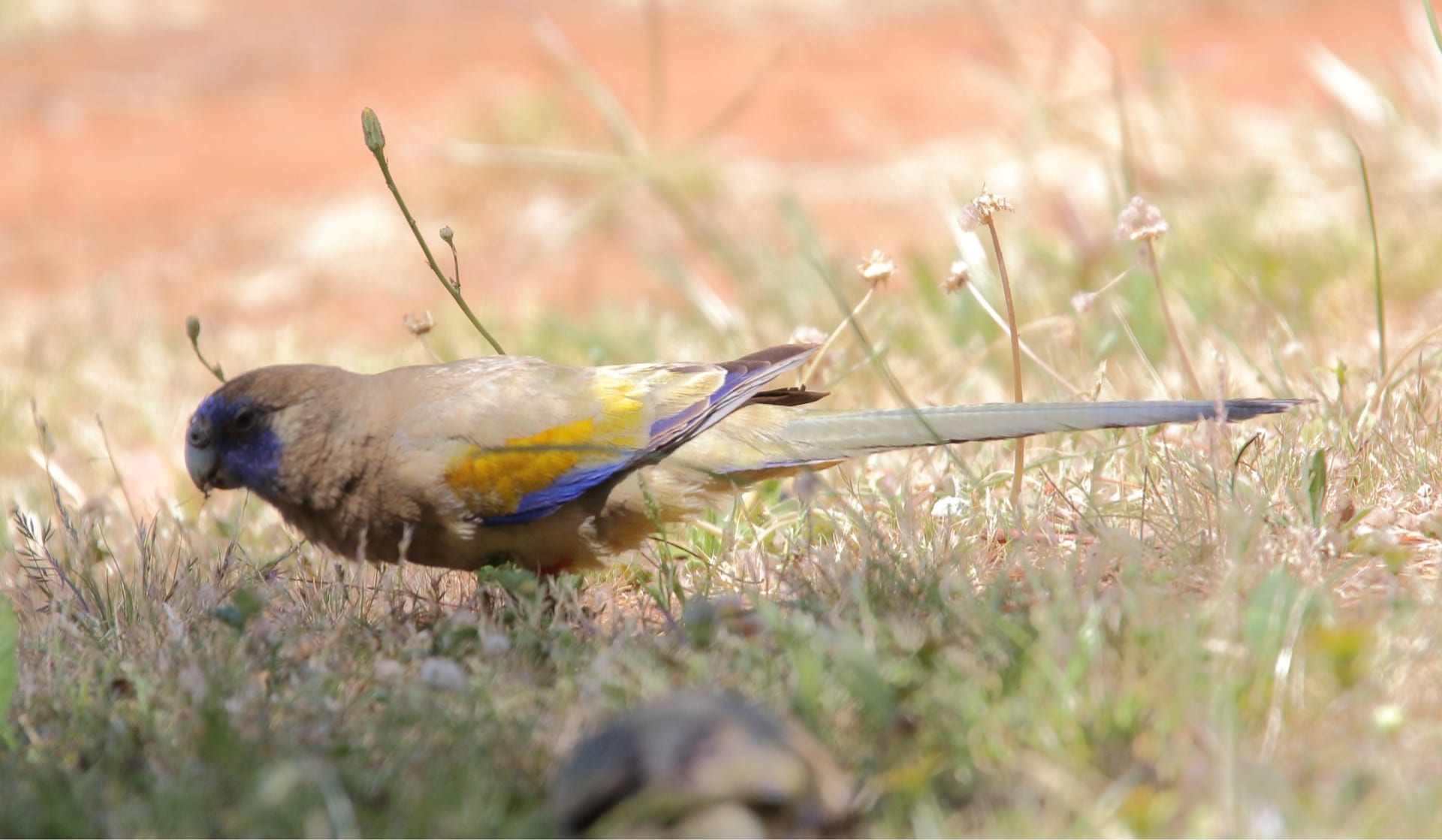
 © Dominic Sherony / CC BY-SA 2.0
Eastern Bluebonnet
The Eastern Bluebonnet is a striking medium-sized parrot known for its vivid blue face and wings set off by patches of red and yellow on the belly. Native to Australia's semi-arid interior, its belly coloring varies noticeably across the three recognized subspecies. Intelligent and curious, these birds form strong bonds with their owners and enjoy interaction, though their powerful bite means handling takes some experience. With a lifespan of 15 years or more, a Bluebonnet is a long-term commitment best suited to keepers who already have some parrot-keeping experience.
View Eastern Bluebonnet encyclopedia →0% commission on your first sales!Register by September 30, 2026 and your first 2 sales are commission-free!
Breeder Wanted!
List on BreederDirect and sell directly to customers nationwide!
Six Transparency Commitments from BreederDirect
All Birds listings include complete Breeder transparency: hand-raised status, DNA sex determination, and health certification details.
- Hand-Raised
- DNA Sex-Determined
- Health Certified
- Origin Disclosed
- Color Variation Specified
- Age in Months Disclosed
Browse all 247 breeds
Care Level
No listings match your filters
Adjust your filters, or get notified when new listings arrive.
Getting alerts is free with a member account. When new listings match your saved search, we'll notify you by email and in-app.
Browse other categories
Verified breeders (preview)
Eastern Bluebonnet key facts
- Care level
- Intermediate
- Lifespan
- 15 years or more
- Size
- Males 28-35cm, females 26-32cm (65-105g)
- Diet
- Small seeds, greens, seeding grasses, fruit and vegetables, and pellets
- Cage
- A walk-in flight 3 m long is recommended, with a vertical nest box about 15 x 15 x 41 cm, a bath dish and an area of sand or soil to scratch in.
- Temperament
- A strong chewer that needs a constant supply of unsprayed flowering, fir, pine or willow branches. It is normally kept in pairs and turns testy in the breeding season.
- Vocalization
- Flight calls are harsh and abrupt, the alarm call a repetitive clucking, and it gives a piping whistle while perched.
- Notes
- Listed on CITES Appendix II, so import requires an export permit. Its strong bite makes soft timber or painted cages short-lived.
About Eastern Bluebonnet
Eastern Bluebonnet parakeets pair a vivid blue face and wings with red-and-yellow belly patches. This medium-sized, intermediate-level bird lives 15+ years — here's what to know before bringing one home.
7 things to know before welcoming a Eastern Bluebonnet
1Mind the Strong Bite
Eastern Bluebonnets have a notably strong beak, and some individuals bite firmly. Take handling slowly and avoid rushing your fingers toward a bird that isn't yet used to you.
2Room to Spread Their Wings
Adults reach about 28-35cm (males) or 26-32cm (females), making this a medium-sized parrot. Choose a cage roomy enough for them to fully extend their wings without touching the sides.
3Belly Color Varies by Subspecies
Three subspecies exist, and the amount of red and yellow on the belly differs noticeably between them. Two birds of the same species can look quite different because of this.
4A 15+ Year Commitment
With a lifespan of 15 years or more, this is a long-term relationship. Think through how future life changes might affect your ability to keep caring for the bird before bringing one home.
5Curious and Intelligent
These birds are inquisitive and enjoy interacting with their owners. Boredom can lead to mischief, so toys and regular playtime help keep them engaged.
6Adapted to a Dry Climate
Having evolved in Australia's semi-arid interior, Eastern Bluebonnets don't tolerate excess humidity well. Pay attention to indoor temperature and humidity levels.
7Better Suited to Experienced Keepers
This species is generally considered suitable for intermediate-level keepers. Some familiarity with handling a strong beak and providing adequate space will help the transition go smoothly.
Frequently asked questions about Eastern Bluebonnet
- Q.Is the Eastern Bluebonnet suitable for beginners?
- A.This species is generally considered intermediate-level. Traits like a strong bite call for confident handling, so it suits keepers who already have some parrot experience or have researched the species thoroughly beforehand.
- Q.How big do they grow?
- A.Adults reach about 28-35cm for males and 26-32cm for females, making this a medium-sized parrot. Body weight is typically in the 65-105g range.
- Q.How long do they live?
- A.Eastern Bluebonnets typically live 15 years or more, making them relatively long-lived among parakeets. It's worth planning for long-term care before bringing one home.
- Q.Do they tend to bite?
- A.They have a strong beak, and some individuals bite firmly. Building trust gradually and introducing handling step by step helps.
- Q.Why do individuals look so different from each other?
- A.The Eastern Bluebonnet has three subspecies, and the amount of red and yellow on the belly varies considerably between them. This is why birds of the same species can look quite different.
Useful tools for Eastern Bluebonnet care
Learn more about Eastern Bluebonnet in the encyclopedia
View Eastern Bluebonnet encyclopedia entry →
Care difficulty, lifespan, size and diet — all basics covered.
More in this category
Can't find the one you're looking for?
Post your wishes for free and breeders with matching animals will contact you with introductions.