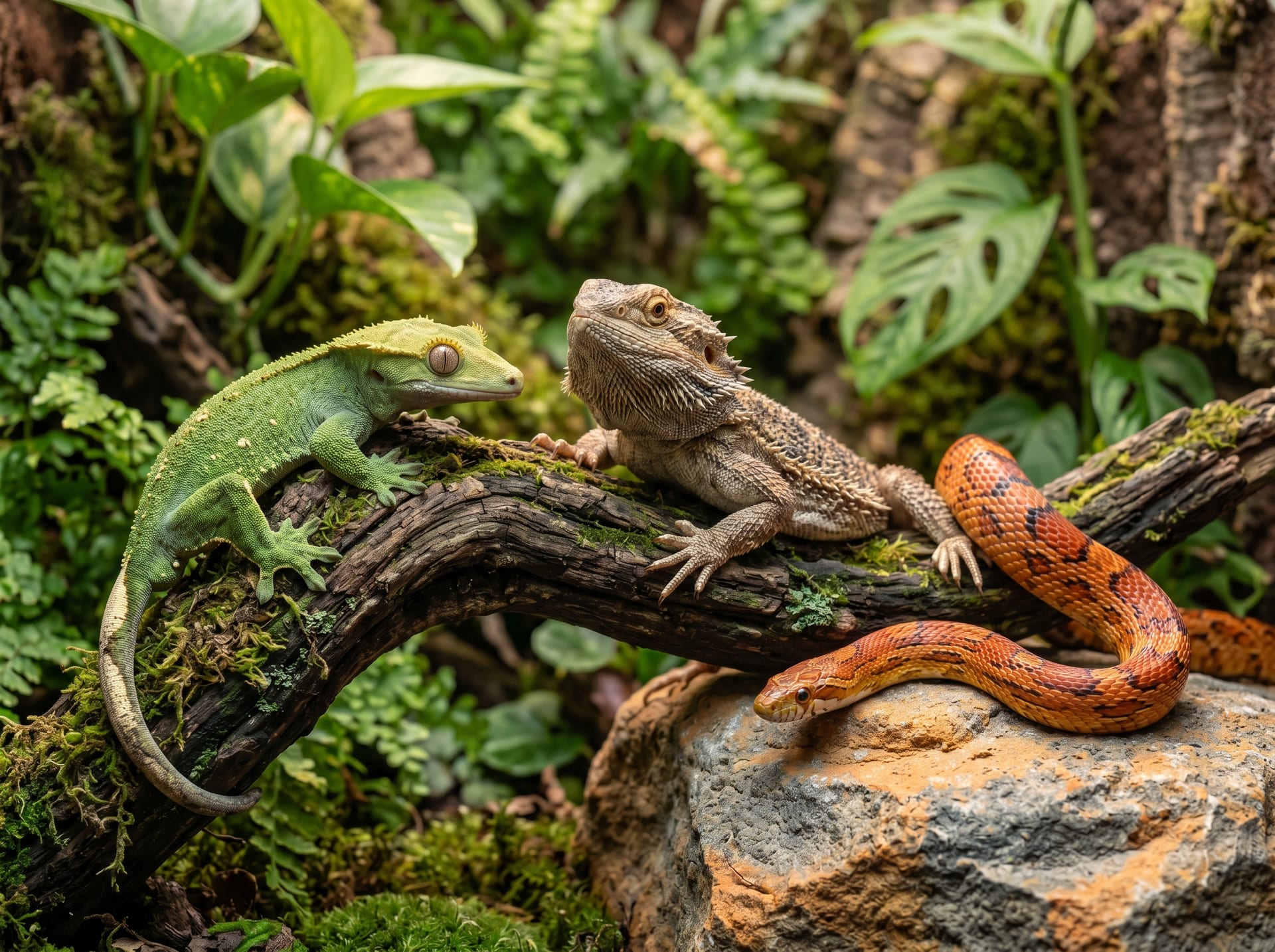
その他爬虫類の通販|ブリーダー直販
「その他爬虫類」には、スキンク、カメレオン、アガマ、テグーなど多種多様な爬虫類が含まれ、それぞれ独自の生態や魅力を持っています。種によって飼育難易度や必要な環境が大きく異なるため、迎える前に対象の種について十分な情報収集が不可欠です。ユニークな外見や行動で爬虫類飼育の幅を広げてくれる、個性豊かな仲間たちです。
2026年11月30日までのご登録で、最初の2頭分の成約手数料が無料!
ブリーダー様 募集中!
ブリちょくに出品して、全国のお客様に直接販売しませんか?
ブリちょくが約束する 6 つの透明性ポイント
爬虫類・両生類の掲載でブリーダーが以下の情報を明示します。モルフ・遺伝・食性・気質の透明性を担保します。
- モルフ明示
- 実物写真
- 食性明示
- 気質明示
- 遺伝明示
- 月齢明示
すべての品種を見る (319)
食性
条件に一致する出品がありません
条件を変更するか、新着が出たらお知らせを受け取れます。
「新着お知らせを受け取る」は無料の会員登録で設定できます。保存した条件に合う出品が公開されると、メール・サイト内通知でお知らせします。
登録済のブリーダー(先行公開)
その他爬虫類について
「その他爬虫類」とは、ヤモリ・ヘビ・カメ以外の多様な爬虫類を指すカテゴリで、アフリカ・南米・東南アジアなど世界各地に分布する多種が含まれます。スキンクは滑らかな鱗と短い四肢を持ち地表性のものが多く、カメレオンは独立して動く両眼と変色能力で知られる樹上性の名手です。アガマはトゲ状の鱗と鮮やかな体色を持ち、テグーは知能が高く犬のように懐く大型種として知られています。これらは共通して「変温動物」であるため、適切な温度勾配と光環境の整備が飼育の要となります。飼育難易度は種によって初心者向けから上級者向けまで幅広く、調査と準備を十分に行えば、他では得られない独自の生態観察と爬虫類飼育の深みを楽しめます。
その他爬虫類をお迎えする前に知っておきたい7つのこと
1種ごとに必要環境が違う
スキンクは地表性、カメレオンは樹上性、砂漠系アガマは乾燥環境と、種によって必要なケージ構造や温湿度が根本的に異なります。迎える前に対象種の野生での生息環境を調べ、それを再現できる設備を用意しましょう。汎用的な「爬虫類ケージ」では対応できない場合も多いです。
2UVBと紫外線管理
多くの昼行性爬虫類はカルシウム代謝のためにUVB照射が必要ですが、夜行性種や地中性種では不要なケースもあります。UVBランプは種に適した強度(UVI値)を選び、定期的に交換する必要があります。不適切なUVB管理は代謝性骨疾患(MBD)の主因となるため注意が必要です。
3温度勾配の設計
爬虫類は変温動物のため、体温調節できるよう「バスキングスポット(高温側)」と「クールゾーン(低温側)」の温度差を意図的にケージ内に作る必要があります。種によって適切なバスキング温度は35〜60℃以上まで幅があるため、対象種の要件を正確に把握してください。温度計は最低2か所に設置することを推奨します。
4食性の多様性を把握する
種によって昆虫食・草食・雑食・肉食と食性が大きく異なり、同じ餌で済ませることはできません。カルシウムやビタミンD3のダスティングが必要な種も多く、サプリメント管理が健康維持の鍵になります。生き餌を必要とする種では、コオロギやデュビアなどの生き餌の安定確保も考慮しましょう。
5ハンドリングの可否を確認
カメレオンのように触れられることを強いストレスと感じ、ハンドリングに適さない種も多くいます。一方でスキンクやテグーは慣らすことで触れ合いを楽しめる種もあります。購入前に対象種のハンドリング適性を調べ、「観察を楽しむ」か「触れ合いを楽しむ」かを明確にしておきましょう。
6輸入規制と法律の確認
一部の爬虫類はワシントン条約(CITES)の規制対象であり、国内外での取引・輸入に許可証が必要な場合があります。また、特定外来生物に指定された種の飼育・譲渡は法律で禁止されています。購入前に対象種の法的ステータスを必ず確認し、正規のブリーダーや販売店から適切な書類とともに入手してください。
7専門的な獣医の確保
爬虫類全般を診られる獣医は一般的な犬猫専門の動物病院より少なく、特にマイナーな種では診察できる医師が限られます。迎える前に近隣で爬虫類診療を行っている動物病院をあらかじめ調べておくことが重要です。健康診断や緊急時に対応できる医療体制を確認してからお迎えするのが理想です。
その他爬虫類のよくある質問
- Q.初心者でも飼いやすい種はありますか?
- A.ブルータンスキンク(アオジタトカゲ)やアルゼンチンブラックアンドホワイトテグーは比較的丈夫で人に慣れやすく、入門種として人気があります。ただしいずれも大型になるため、十分なスペースの確保が必要です。
- Q.カメレオンは飼育が難しいですか?
- A.カメレオンはストレスに非常に敏感で、湿度・温度・換気・水分補給の管理が複雑なため、一般的に上級者向けとされています。毎日の霧吹きや点滴式給水装置など手間のかかる設備が必要です。十分な知識と設備投資を準備してから挑戦することをおすすめします。
- Q.テグーはどのくらいの大きさになりますか?
- A.アルゼンチンブラックアンドホワイトテグーは成体で全長100〜140cm程度になる大型種です。成長に伴い120cm以上の大型ケージが必要となり、餌のコストも増加します。迎える前に成体サイズを念頭においたスペース計画を立てることが重要です。
- Q.生き餌は必ず必要ですか?
- A.昆虫食の種(アガマなど)はコオロギやデュビアなどの生き餌が基本ですが、一部は冷凍・乾燥昆虫への切り替えも可能です。テグーなどの雑食種は鶏肉や卵なども食べます。対象種の食性に合わせた餌選びと、カルシウム・ビタミンの補添が長期的な健康の鍵です。
- Q.複数種を同じケージで飼えますか?
- A.基本的には異種の混泳は推奨されません。種ごとに必要な温度・湿度・食性が異なり、ストレスや感染症・捕食リスクが生じます。同種であっても個体の相性問題が起きることがあり、特にカメレオンは単独飼育が原則です。
その他爬虫類飼育に役立つ便利ツール
同じカテゴリの他の品種
お探しの子が見つかりませんか?
希望の条件を無料で投稿すると、条件に合う子を持つブリーダーから紹介が届きます。