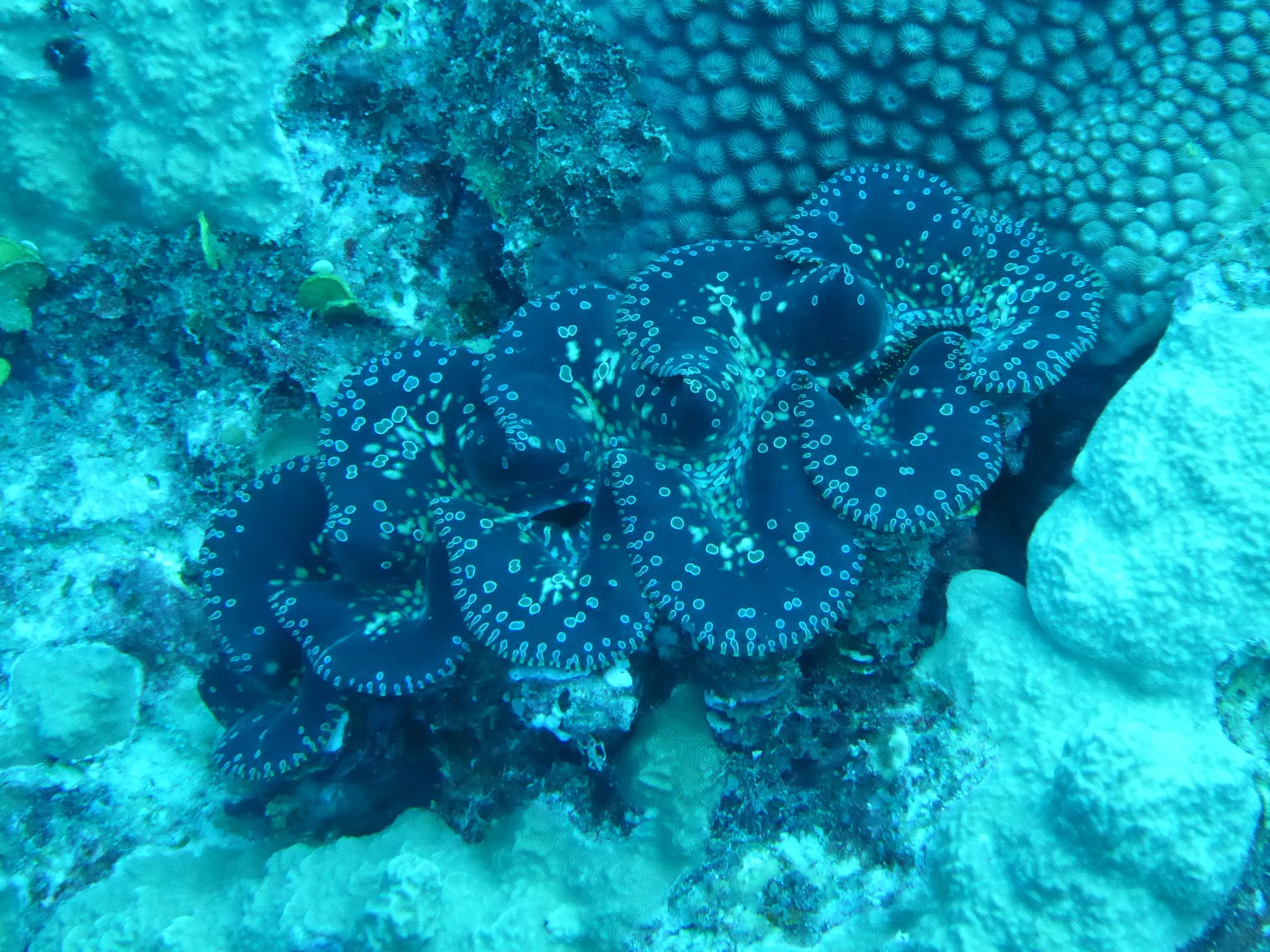
 © thibaudaronson (iNaturalist) / CC BY-SA 4.0
Noah's Giant Clam
Tridacna noae, commonly known as Noah's Giant Clam, is a striking bivalve found on shallow reef flats. Its mantle displays rows of white-rimmed, teardrop-shaped spots — the key feature that sets it apart from the closely related Tridacna crocea, whose markings form continuous lines instead of dots. Long lumped together with crocea, noae was only reinstated as a distinct species in 2014. It grows to a maximum shell length of about 28 cm, becoming a real centerpiece as it matures. Because it calls for steady lighting and water quality management, it's generally considered a better fit for intermediate-level aquarists than complete beginners.
View Noah's Giant Clam encyclopedia →0% commission on your first sales!Register by September 30, 2026 and your first 2 sales are commission-free!
Breeder Wanted!
List on BreederDirect and sell directly to customers nationwide!
Br-Choku's 6 Transparency Standards
Our Breeder sellers disclose detailed care specs for all Coral listings. We prioritize Aquacultured/CB specimens, verify WYSIWYG photos, and provide difficulty ratings—avoiding wild-caught.
- Aquacultured
- WYSIWYG Photo
- Difficulty Disclosed
- Frag/Colony
- Care Info Included
- Trade name shown
Browse all 210 breeds
Difficulty
No listings match your filters
Adjust your filters, or get notified when new listings arrive.
Getting alerts is free with a member account. When new listings match your saved search, we'll notify you by email and in-app.
Browse other categories
Verified breeders (preview)
Noah's Giant Clam key facts
- Care level
- Intermediate
- Size
- Shell length to 28cm
- Temperature
- 24〜27℃
- Diet
- Mainly photosynthesis by the zooxanthellae in its mantle; small specimens also filter-feed on phytoplankton.
- Lighting
- A shallow-water species from 1-15 m that needs strong lighting. LiveAquaria lists high lighting for close relatives such as T. maxima, and this species is treated the same way.
- Flow & Placement
- It attaches to rock by byssal threads, so set it on live rock or a flat piece of coral rock. Give moderate randomised flow and choose a spot where no strong jet hits the mantle.
- Water Temperature & Quality
- Water 24-27C, specific gravity 1.023-1.025 (33-35 ppt), KH 8-12, calcium 400-450 ppm, magnesium 1280-1350 ppm. Shell growth consumes calcium heavily, so dose and test for it consistently.
- Feeding
- Most of its nutrition comes from photosynthesis by the zooxanthellae in its mantle. Adults need little feeding, but specimens under about 5 cm rely more on filter feeding and benefit from added phytoplankton.
- Notes
- It is often confused with T. maxima and T. crocea in the trade; the teardrop mantle spots identify it. The IUCN lists it as Least Concern, but as a member of the Tridacnidae it falls under the blanket CITES Appendix II listing and trade requires permits. A mantle that will not open, retracted edges, or no response to light all signal trouble. Severing the byssus is usually fatal, so never force a clam off the rock it has attached to. Check at night for parasitic pyramidellid snails around the shell gape and remove them.
About Noah's Giant Clam
Tridacna noae is a giant clam known for its teardrop-shaped, white-rimmed mantle spots, recognized as a species distinct from T. crocea in 2014. It reaches up to 28 cm and suits intermediate-level keepers.
7 things to know before welcoming a Noah's Giant Clam
1Distinguishing from T. crocea
The clearest way to identify Tridacna noae is by its mantle pattern: white-rimmed, teardrop-shaped spots arranged individually. This distinguishes it from the closely related Tridacna crocea, whose markings form connected lines.
2Grows to 28 cm
Adults can reach a shell length of up to 28 cm. Even if you're bringing home a small individual, it's worth planning tank layout and space with its eventual size in mind.
3Best for Intermediate Keepers
Tridacna noae is generally rated as suitable for intermediate keepers. It's best introduced once you've built some experience managing water quality and lighting.
4Needs Strong Lighting
Like other giant clams, T. noae hosts symbiotic algae inside its mantle and relies on photosynthesis for part of its nutrition. Providing consistent, adequate lighting is essential.
5Avoid Sudden Water Changes
As with many reef invertebrates, sudden shifts in water parameters can be stressful. Introduce water changes or supplements gradually while observing how the clam responds.
6Anchored by Byssal Threads
Giant clams anchor themselves to rock or live rock using byssal threads. Choose a stable spot for placement and avoid moving the clam around too often once it has settled in.
7Prepare Your Tank First
Before bringing one home, make sure your tank's lighting, flow, and water quality are already stable — that's the first step toward a long, healthy relationship. Deciding on a placement spot in advance also helps things go smoothly.
Frequently asked questions about Noah's Giant Clam
- Q.How is it different from Tridacna crocea?
- A.The two are distinguished by their mantle patterns. Tridacna noae has white-rimmed, teardrop-shaped spots arranged individually, while T. crocea's markings form continuous lines.
- Q.How big does it grow?
- A.Adults can reach a shell length of up to 28 cm. Individual growth varies, so it's worth planning for a clam that may become quite large in your tank.
- Q.Is this a good choice for beginners?
- A.Tridacna noae is generally considered suitable for intermediate keepers rather than complete beginners. It's best to have some experience managing water quality and lighting before bringing one home.
- Q.Does it need to be fed?
- A.Most of its nutrition comes from photosynthesis carried out by symbiotic algae in its tissue, so feeding isn't strictly necessary. Providing adequate lighting should be the priority.
- Q.Is Tridacna noae subject to CITES?
- A.Noah's Giant Clam is listed in CITES Appendix II. International trade requires a permit from the exporting country, but as far as CITES is concerned, no registration is needed to buy or sell individuals already legally in Japan.
Useful tools for Noah's Giant Clam care
Learn more about Noah's Giant Clam in the encyclopedia
View Noah's Giant Clam encyclopedia entry →
Care difficulty, lifespan, size and diet — all basics covered.
More in this category
Can't find the one you're looking for?
Post your wishes for free and breeders with matching animals will contact you with introductions.