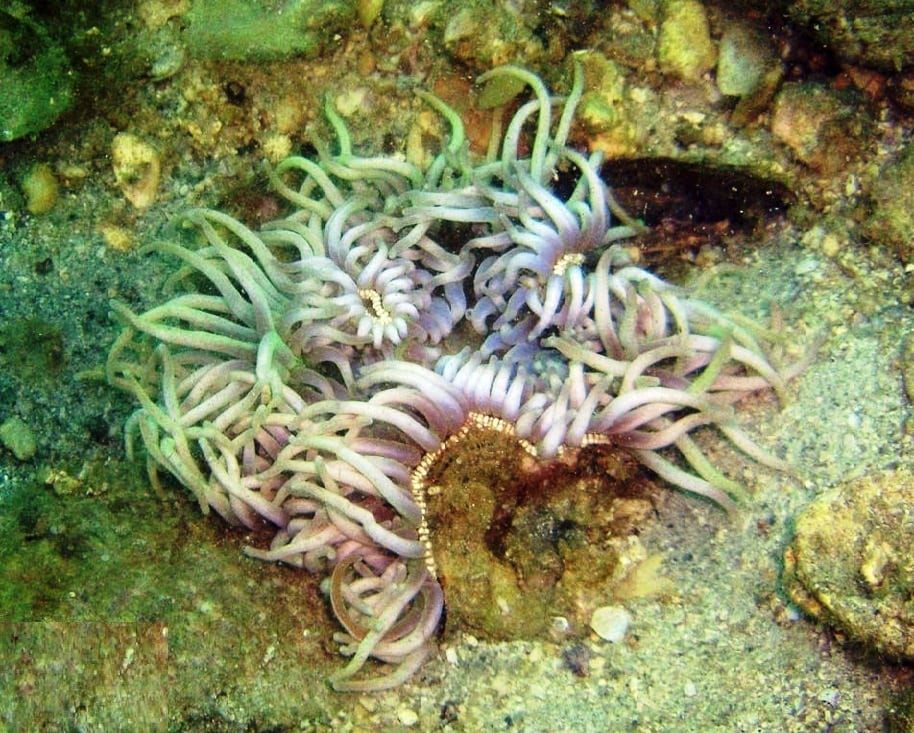
 © Chaloklum Diving / CC BY 3.0
Sebae Anemone
The Sebae Anemone is a striking host anemone known for its wide, spreading oral disc and rounded tentacles tipped with purple or blue accents. Its grayish column is dotted with small, sticky white bumps, giving it a distinctive texture up close. Famous for hosting up to fifteen species of clownfish, it offers aquarists a rewarding glimpse into natural symbiosis. That said, it's demanding when it comes to lighting, water flow, and water quality, making it best suited to experienced keepers who can provide a stable, well-established environment before bringing one home.
View Sebae Anemone encyclopedia →0% commission on your first sales!Register by September 30, 2026 and your first 2 sales are commission-free!
Breeder Wanted!
List on BreederDirect and sell directly to customers nationwide!
Br-Choku's 6 Transparency Standards
Our Breeder sellers disclose detailed care specs for all Coral listings. We prioritize Aquacultured/CB specimens, verify WYSIWYG photos, and provide difficulty ratings—avoiding wild-caught.
- Aquacultured
- WYSIWYG Photo
- Difficulty Disclosed
- Frag/Colony
- Care Info Included
- Trade name shown
Browse all 210 breeds
Difficulty
No listings match your filters
Adjust your filters, or get notified when new listings arrive.
Getting alerts is free with a member account. When new listings match your saved search, we'll notify you by email and in-app.
Browse other categories
Verified breeders (preview)
Sebae Anemone key facts
- Care level
- Advanced
- Size
- Oral disc 20-50 cm, tentacles 10-15 cm
- Temperature
- 22〜26℃
- Diet
- Nutrition from symbiotic zooxanthellae, supplemented about once a week with meaty foods such as fish, shrimp and clam.
- Lighting
- Care tables for this family list lighting as high. It depends on its zooxanthellae and needs strong illumination; bleached specimens have lost their symbionts and are difficult to recover.
- Flow & Placement
- Flow should be moderate. It prefers hard substrate lightly covered with sand, and in the aquarium it usually wedges its foot where the rockwork meets the sand bed.
- Water Temperature & Quality
- Water 22-26C, specific gravity 1.020-1.025. It is difficult to acclimate and needs a mature tank with stable water chemistry.
- Feeding
- Besides photosynthesis, offer meaty foods such as fish, worms, clam and shrimp about once a week. A healthy specimen is very sticky to the touch.
- Notes
- The name Sebae Anemone is also applied to Radianthus malu, so check the scientific name when buying. It is not listed in the CITES Appendices.
About Sebae Anemone
A striking host anemone with a wide oral disc and purple- or blue-tipped tentacles. Known to host up to fifteen clownfish species, it demands experienced care.
7 things to know before welcoming a Sebae Anemone
1Needs Strong Lighting
The Sebae Anemone relies heavily on photosynthesis from its symbiotic zooxanthellae for nutrition. Strong lighting is needed for the oral disc to fully expand, and insufficient light can cause it to shrink or lose color. Check your lighting setup before bringing one home.
2Provide Steady Water Flow
Moderate water flow helps the tentacles spread and drift naturally, but flow that's too strong can damage the oral disc. Aim for varied, gentle-to-moderate currents in the tank and adjust based on how the anemone responds.
3Sensitive to Water Changes
This anemone is sensitive to sudden shifts in temperature, salinity, or nutrient levels, and can be easily stressed by rapid changes. It does best in a well-established, stable tank rather than a newly cycled one。
4May Wander to Settle
It's known to move around the tank until it finds a spot it likes. Because it can get caught in pump intakes or wedged in rockwork and injure itself, it's worth blocking off any hazardous areas in advance.
5Clownfish Symbiosis
The Sebae Anemone is known to host up to fifteen species of clownfish, and watching this symbiosis is one of its main draws. That said, not every clownfish will pair with it, as compatibility varies between individuals.
6Handle Tentacles with Care
Its tentacles carry nematocysts and can cause a mild stinging sensation on direct contact. Wear gloves when handling it, and give it enough space from other corals or anemones to avoid contact.
7Best Suited to Experienced Keepers
This species is demanding when it comes to lighting, water flow, and water quality, and is considered suitable for experienced keepers. It's best to have solid marine aquarium experience and a well-prepared environment before adding one.
Frequently asked questions about Sebae Anemone
- Q.Is this suitable for beginners?
- A.The Sebae Anemone has demanding lighting, flow, and water quality needs, and is considered a species for experienced keepers. It's best to gain some marine fish and coral keeping experience before adding one.
- Q.How big does it grow?
- A.The oral disc can spread to roughly 20-50cm across, with tentacles around 10-15cm long. It becomes a sizeable, eye-catching presence in the tank.
- Q.Which clownfish will host in it?
- A.It's known to host up to fifteen species of clownfish. That said, pairing isn't guaranteed with every combination, as compatibility varies by individual.
- Q.What lighting does it need?
- A.Because it gets much of its nutrition from photosynthesis via symbiotic algae, it needs strong lighting. Insufficient light can cause the oral disc to shrink or lose color.
- Q.Can it be kept with other corals?
- A.Its tentacles carry nematocysts that can sting and damage neighboring animals on contact. Since it may also wander around the tank, give it plenty of distance from other corals and anemones.
Useful tools for Sebae Anemone care
Learn more about Sebae Anemone in the encyclopedia
View Sebae Anemone encyclopedia entry →
Care difficulty, lifespan, size and diet — all basics covered.
More in this category
Can't find the one you're looking for?
Post your wishes for free and breeders with matching animals will contact you with introductions.