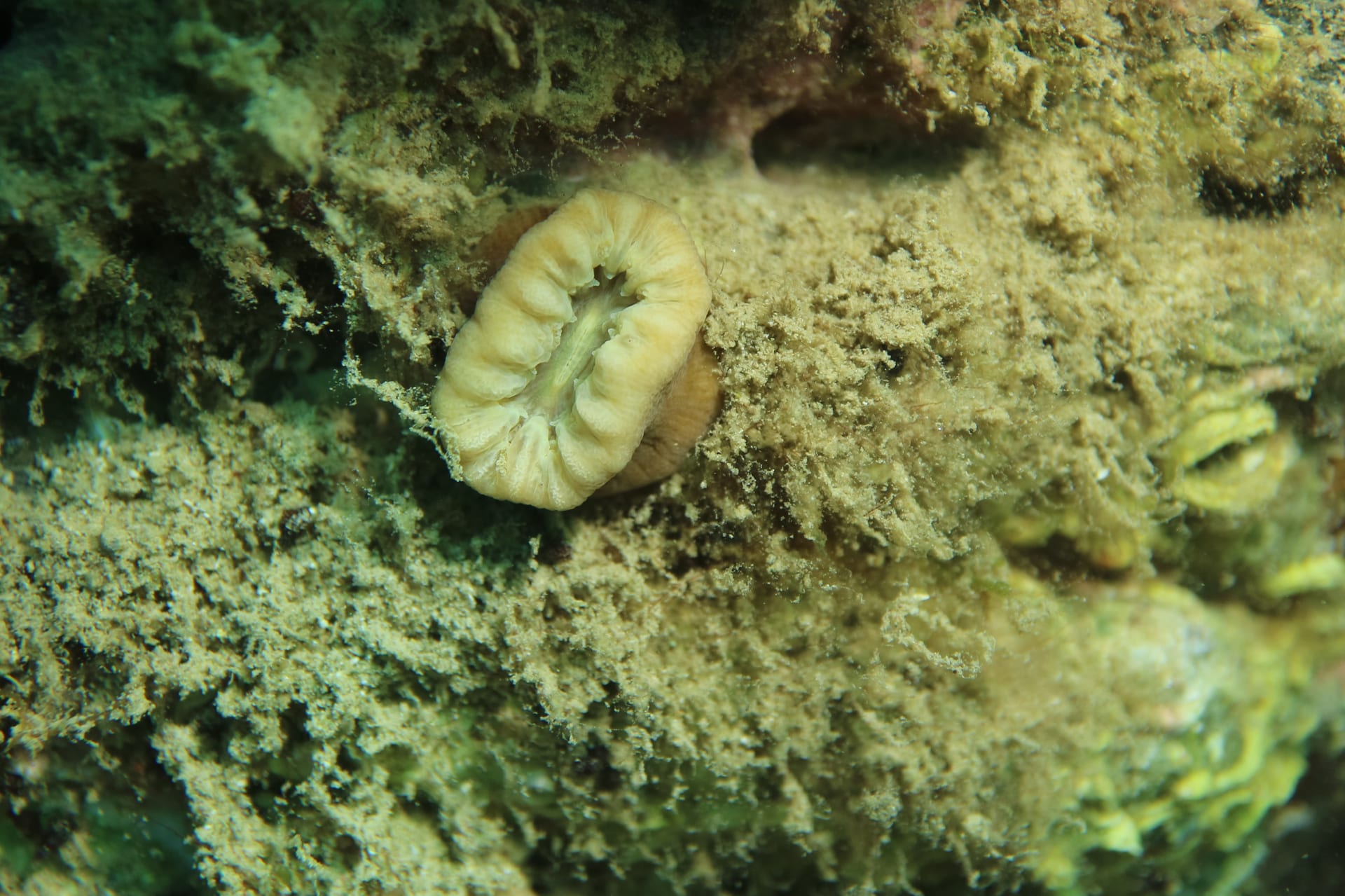
 © Holger Krisp / CC BY 4.0
Balanophyllia
Balanophyllia is a solitary stony coral in the family Dendrophylliidae, with each skeletal cup holding just a single polyp rather than forming a colony. Its translucent, glowing orange or yellow polyps make it a striking, collector-favorite species. Most specimens in the trade lack zooxanthellae, meaning they draw their energy from feeding rather than photosynthesis. While lighting intensity is less of a concern, consistent, careful feeding is essential, which is why this coral is generally recommended for experienced aquarists rather than beginners.
View Balanophyllia encyclopedia →0% commission on your first sales!Register by September 30, 2026 and your first 2 sales are commission-free!
Breeder Wanted!
List on BreederDirect and sell directly to customers nationwide!
Br-Choku's 6 Transparency Standards
Our Breeder sellers disclose detailed care specs for all Coral listings. We prioritize Aquacultured/CB specimens, verify WYSIWYG photos, and provide difficulty ratings—avoiding wild-caught.
- Aquacultured
- WYSIWYG Photo
- Difficulty Disclosed
- Frag/Colony
- Care Info Included
- Trade name shown
Browse all 210 breeds
Difficulty
No listings match your filters
Adjust your filters, or get notified when new listings arrive.
Getting alerts is free with a member account. When new listings match your saved search, we'll notify you by email and in-app.
Browse other categories
Verified breeders (preview)
Balanophyllia key facts
- Care level
- Advanced
- Temperature
- 24〜26℃
- Diet
- The species kept in aquariums are azooxanthellate and depend on feeding with zooplankton and chopped seafood.
- Lighting
- The azooxanthellate species in the trade need no light and do best in shade or under an overhang. Zooxanthellate species need bright conditions instead, so identify the species first.
- Flow & Placement
- Give it moderate flow so food reaches the polyp. Being solitary and small, it should sit low where you can reach it at each feeding.
- Water Temperature & Quality
- Water 24-26C, specific gravity 1.023-1.025 (salinity 33-35 ppt), KH 8-12, calcium 380-440 ppm, magnesium 1300-1400 ppm. Heavy feeding makes nutrient control essential.
- Feeding
- For the azooxanthellate species feeding is the core of husbandry. AlgaeBarn recommends that such corals be able to feed continuously, maintaining a standing population of large copepods in the system, combined with spot feeding after lights-out.
- Notes
- Starvation is the commonest cause of death, and the polyp stops opening if feeding lapses. Uneaten food fouls the water, so water changes and mechanical filtration are needed. As a scleractinian it is on CITES Appendix II and international trade requires permits.
About Balanophyllia
Balanophyllia is a solitary stony coral with vivid orange or yellow polyps that lacks zooxanthellae, relying on feeding rather than light — recommended for experienced keepers.
7 things to know before welcoming a Balanophyllia
1Feeding Comes First
Most specimens in the trade lack zooxanthellae, so they get their energy from feeding rather than photosynthesis. Whether you can keep up with regular feedings matters far more than lighting strength.
2Placement Over Lighting
Because it doesn't rely on photosynthesis, it doesn't need strong lighting. This makes it easy to place in shaded spots or areas shadowed by other corals in the tank.
3Choose Gentle Flow
Strong, constant flow can keep the polyp from extending fully, making it harder to catch food. Choose a spot with gentle, moderate water movement.
4Solitary, Not Colonial
Balanophyllia is solitary, with a single polyp housed in one skeletal cup — it never forms a spreading colony. Unlike colonial corals, you don't need to worry about it expanding across the rockwork.
5Timing Your Feedings
The polyp extends its tentacles widely when it senses food nearby. Feeding when the polyp is already expanded — often during quieter lighting periods — helps reduce leftover food.
6Color Varies by Individual
The intensity of orange or yellow coloration varies naturally between individuals and isn't a direct sign of health on its own. If you notice sudden fading or shrinking, it's worth reviewing feeding amounts and water quality.
7Why It Suits Experienced Keepers
Corals that depend entirely on feeding require more day-to-day effort than photosynthetic corals that thrive mainly on light. It's best to consider bringing one home once you're confident you can keep up with consistent feeding routines.
Frequently asked questions about Balanophyllia
- Q.Does it need strong lighting?
- A.No — most Balanophyllia in the trade lack zooxanthellae, so they don't depend on photosynthesis. Feeding consistently matters much more than lighting strength.
- Q.What should I feed it?
- A.Offer meaty, animal-based foods while the polyp's tentacles are extended. Adjust the amount to what the individual can fully consume.
- Q.Is it suitable for beginners?
- A.Balanophyllia is generally considered a coral for experienced keepers. It relies heavily on feeding, so being able to maintain a consistent daily routine is essential.
- Q.Does it form colonies and spread?
- A.No, Balanophyllia is solitary, with a single polyp in one skeletal cup. It doesn't form colonies or spread across the rockwork.
- Q.Is it subject to CITES regulation?
- A.Balanophyllia is listed in CITES Appendix II. International trade requires a permit from the exporting country, but as far as CITES is concerned, no registration is needed to buy or sell individuals already legally in Japan.
Useful tools for Balanophyllia care
Learn more about Balanophyllia in the encyclopedia
View Balanophyllia encyclopedia entry →
Care difficulty, lifespan, size and diet — all basics covered.
More in this category
Can't find the one you're looking for?
Post your wishes for free and breeders with matching animals will contact you with introductions.