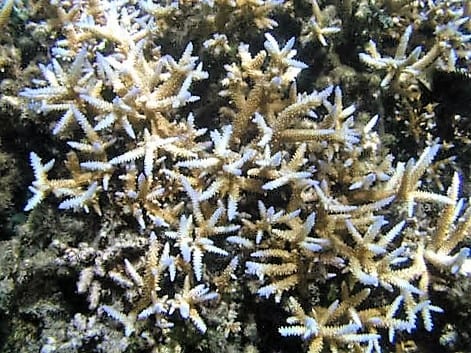
 © NPS photo - Eva DiDonato / Public domain
Acropora Muricata (Staghorn, formerly A. formosa)
Acropora muricata, the staghorn coral once classified as A. formosa, is a hallmark species of branching Acropora that forms dense, treelike colonies capable of spreading into large thickets in the wild. Its axial corallites project from the tips of each branch while the radial corallites form neat tubular rows, giving the coral a distinctive staghorn silhouette. Coloration ranges from blue to brown to cream, often fading to a pale tip that highlights active growth. Because it grows quickly and spreads vigorously, aquarists need to leave adequate space between colonies and their neighbors to avoid territorial stinging. It also demands strong lighting, vigorous water flow, and the very stable water parameters typical of SPS corals, making it best suited to experienced reefkeepers.
View Acropora Muricata (Staghorn, formerly A. formosa) encyclopedia →0% commission on your first sales!Register by September 30, 2026 and your first 2 sales are commission-free!
Breeder Wanted!
List on BreederDirect and sell directly to customers nationwide!
Br-Choku's 6 Transparency Standards
Our Breeder sellers disclose detailed care specs for all Coral listings. We prioritize Aquacultured/CB specimens, verify WYSIWYG photos, and provide difficulty ratings—avoiding wild-caught.
- Aquacultured
- WYSIWYG Photo
- Difficulty Disclosed
- Frag/Colony
- Care Info Included
- Trade name shown
Browse all 210 breeds
Difficulty
No listings match your filters
Adjust your filters, or get notified when new listings arrive.
Getting alerts is free with a member account. When new listings match your saved search, we'll notify you by email and in-app.
Browse other categories
Verified breeders (preview)
Acropora Muricata (Staghorn, formerly A. formosa) key facts
- Care level
- Advanced
- Size
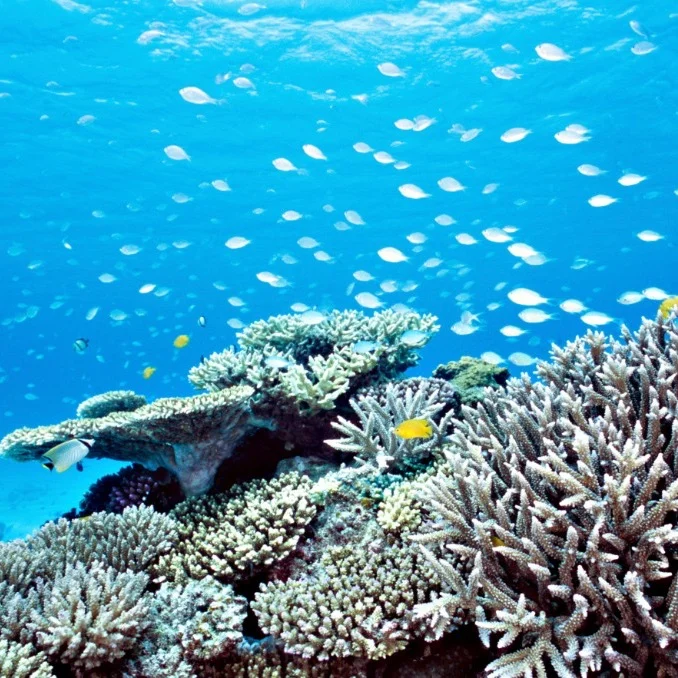
- Thickets up to 10 m across
- Temperature
- 24〜27℃
- Diet
- Mainly nutrition from symbiotic zooxanthellae, supplemented with powdered or liquid coral foods and phytoplankton.
- Lighting
- Requires strong light. AlgaeBarn cites successful Acropora keeping at PAR 800 or more. Start newly added colonies under reduced light and raise it over several weeks.
- Flow & Placement
- An arborescent species with long branches that block flow as they grow. Give it an open position high on the rockwork so that water still moves through the interior of the colony.
- Water Temperature & Quality
- Water 22-26C, specific gravity 1.023-1.025, KH 8-12, calcium 380-440 ppm, magnesium 1300-1400 ppm. Sudden swings in alkalinity are the most common cause of tissue loss.
- Feeding
- Most of its nutrition comes from photosynthesis by its zooxanthellae. Powdered or liquid coral foods and phytoplankton can be offered as a supplement, but stable light and water chemistry matter more than feeding.
- Notes
- Fast-growing and thicket-forming, so plan on regular fragging. It is still sold under the old name formosa, which is the same species. Listed on CITES Appendix II.
About Acropora Muricata (Staghorn, formerly A. formosa)
Acropora muricata (staghorn coral, formerly A. formosa) forms dense branching colonies with a distinctive staghorn shape, blue-to-brown coloring, and pale branch tips. It needs strong light and flow, suited to experienced reefkeepers.
7 things to know before welcoming a Acropora Muricata (Staghorn, formerly A. formosa)
1Strong Light & Flow Are Essential
In the wild, this species thrives in shallow, high-flow zones with intense sunlight, so aquarium keepers need strong reef lighting and powerful water pumps to replicate those conditions. Without enough light or flow, the colony can lose color or its tissue may recede.
2Stable Water Chemistry
Like most SPS corals, this species is sensitive to sudden shifts in water parameters and needs consistent monitoring of calcium, alkalinity, and other reef parameters. Skipping regular testing and water changes can quickly stress the colony.
3Vigorous Growth Rate
When conditions are right, this coral grows quickly and can expand its branches significantly over time. Leave generous spacing between colonies in your layout, since contact with neighboring corals can cause mutual damage.
4Branches Are Fragile
The branching structure is delicate and can snap easily if bumped during maintenance or aquascaping. A broken fragment can sometimes be reattached and grown into a new colony if it's still healthy.
5Watch for Color Changes
Coloration can range from blue to brown to cream and may shift depending on lighting and water conditions. Keeping an eye on polyp extension and the paling of branch tips day to day helps you catch problems early.
6Acclimate Slowly After Arrival
Right after introduction, the coral is sensitive to sudden environmental change, so it's best to gradually move it toward stronger light and flow rather than placing it directly in an intense spot. Keep some distance from other corals until it settles in.
7Fragging Keeps Growth Manageable
In nature, colonies of this species can grow very large, but in the aquarium it's common to manage growth through pruning and fragging. Regularly trimming an overgrown colony helps keep it healthy and easier to maintain.
Frequently asked questions about Acropora Muricata (Staghorn, formerly A. formosa)
- Q.Is this coral suitable for beginners?
- A.It's generally considered an advanced species that requires strong lighting, powerful water flow, and carefully maintained water chemistry. We recommend gaining experience with saltwater tanks and other SPS corals first.
- Q.What does 'formerly A. formosa' mean?
- A.This species was previously sold under the scientific name Acropora formosa, but taxonomic revisions reclassified it as Acropora muricata. The older name is still sometimes used informally in the hobby.
- Q.Is this species subject to CITES?
- A.Acropora Muricata (Staghorn, formerly A. formosa) is listed in CITES Appendix II. International trade requires a permit from the exporting country, but as far as CITES is concerned, no registration is needed to buy or sell individuals already legally in Japan.
- Q.How large does it get in a home aquarium?
- A.In the wild, colonies can spread into thickets reaching up to 10 meters across, but aquarium colonies are typically pruned and fragged well before reaching that scale. Regular trimming keeps the coral manageable in a home tank.
- Q.Can it be kept near other corals?
- A.As it grows, its spreading branches can come into contact with neighboring corals and cause stinging damage, so it's best to leave generous spacing around it. Keep its fast growth rate in mind when planning your layout.
Useful tools for Acropora Muricata (Staghorn, formerly A. formosa) care
Learn more about Acropora Muricata (Staghorn, formerly A. formosa) in the encyclopedia
View Acropora Muricata (Staghorn, formerly A. formosa) encyclopedia entry →
Care difficulty, lifespan, size and diet — all basics covered.
More in this category
Can't find the one you're looking for?
Post your wishes for free and breeders with matching animals will contact you with introductions.