Source: Wikimedia Commons
Acropora Muricata (Staghorn, formerly A. formosa)
AdvancedAcropora muricata
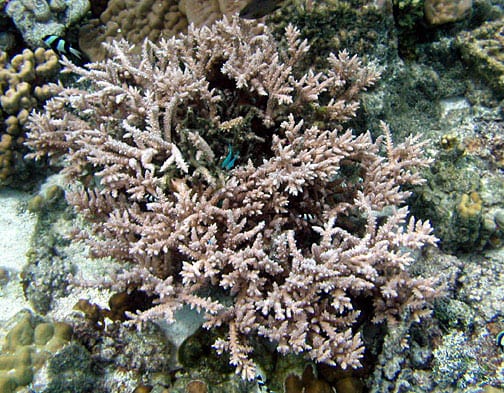
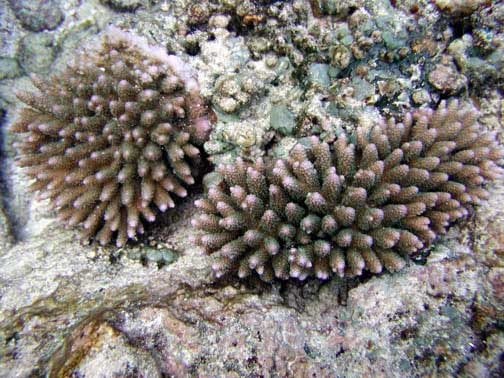
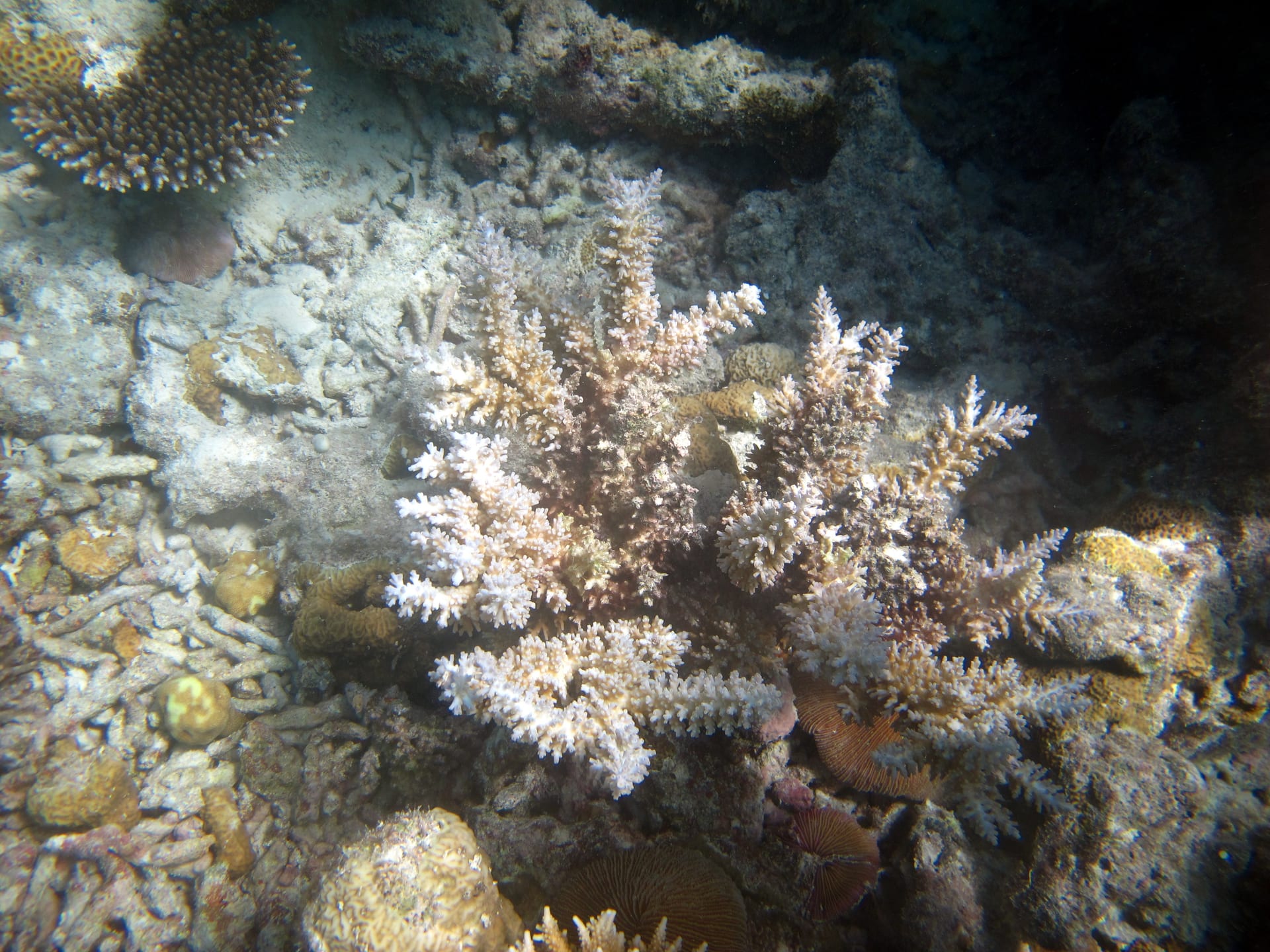
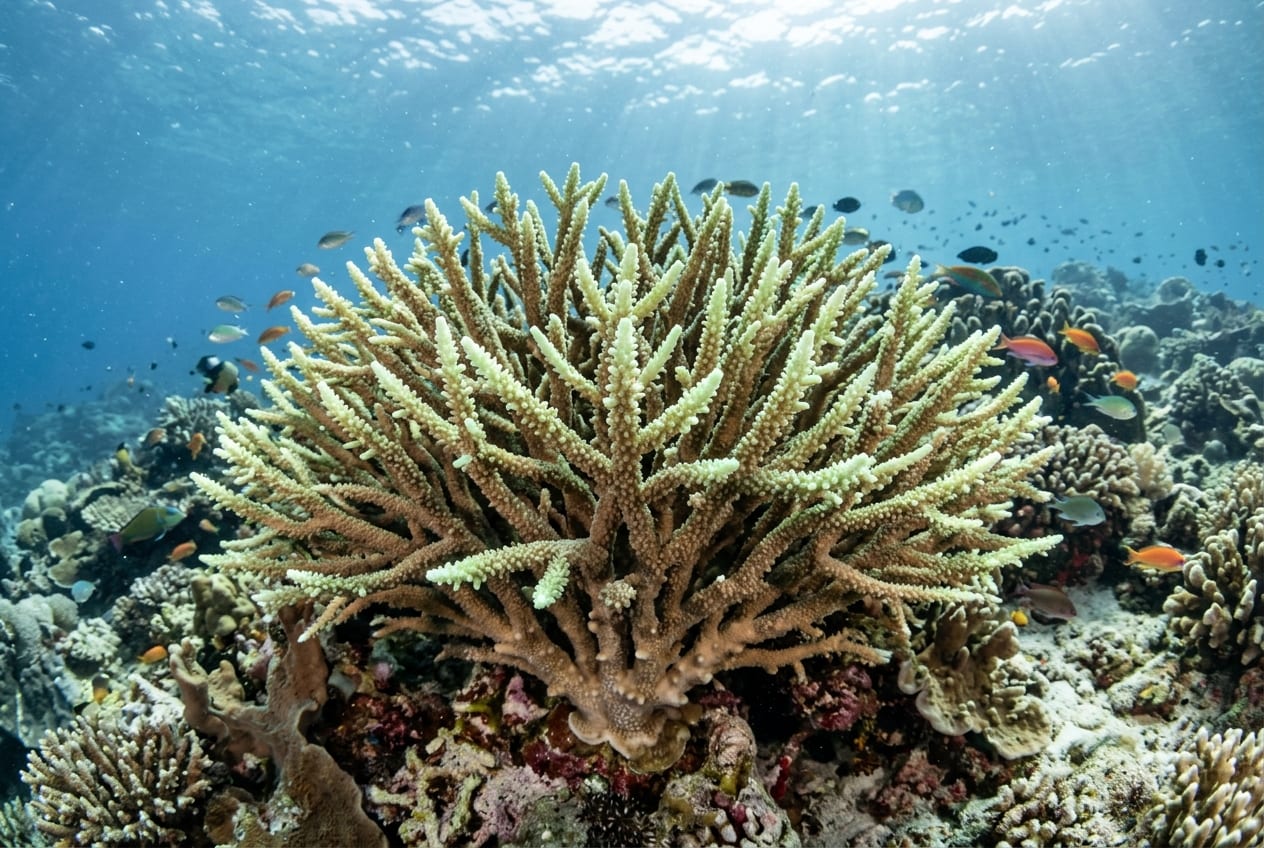
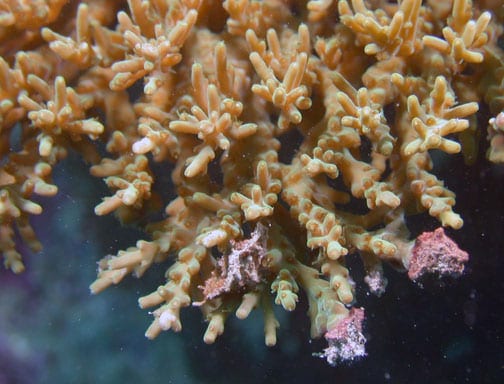
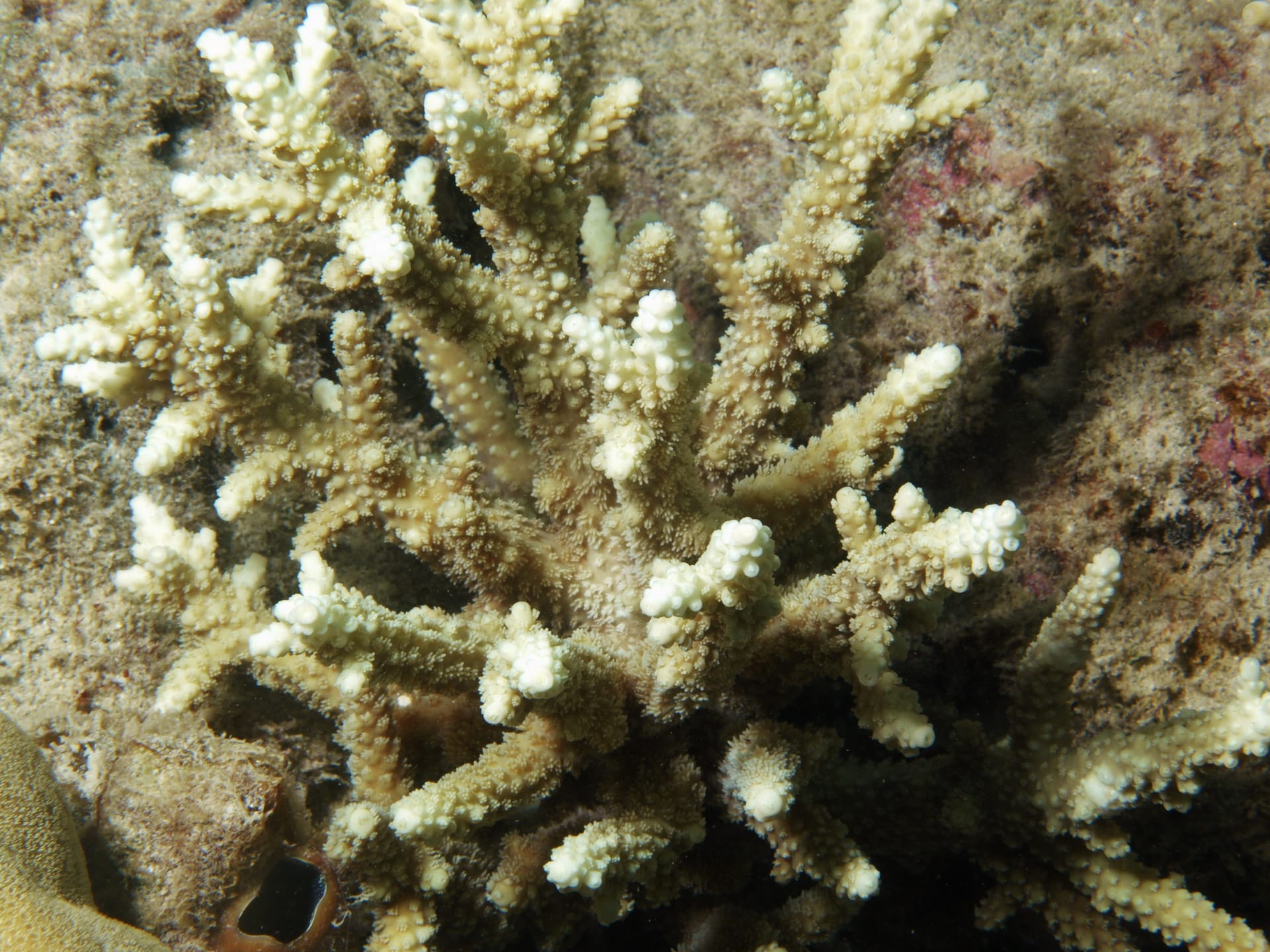
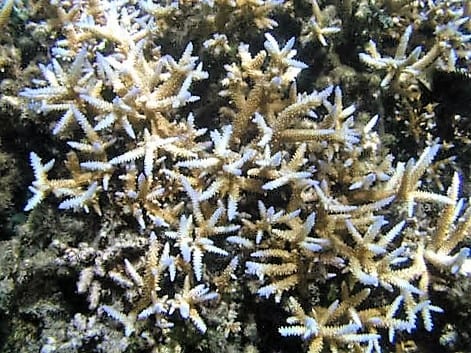
The classic staghorn coral: arborescent colonies that form dense thickets. The axial corallites protrude from the branches and the radial corallites are tube-shaped. Colour is blue, brown or cream with pale branch ends.
Difficulty
Advanced
Temperature
24〜27℃
Size
Thickets up to 10 m across
Diet
Mainly nutrition from symbiotic zooxanthellae, supplemented with powdered or liquid coral foods and phytoplankton.
About
Acropora muricata, commonly called staghorn coral, occurs in the Gulf of Aden, the Red Sea, the Indian Ocean, the Persian Gulf, Australia, the central Indo-Pacific, Japan, Southeast Asia, the East China Sea and the central and western Pacific. It grows on shallow tropical reefs, reef slopes and in lagoons at depths of 5-30 m. Colonies are arborescent and form thickets up to 10 m across; branches are short in shallow water and less clumped in deeper water. The axial corallites protrude from the branches and the radial corallites are tube-shaped. Colour is blue, brown or cream with pale branch ends. It circulated in the trade for many years as Acropora formosa, which WoRMS treats as a synonym; the valid name goes back to Linnaeus, who described it as Millepora muricata in 1758. The IUCN lists it as Near Threatened and it is on CITES Appendix II.
Source: Wikipedia (CC BY-SA 4.0)
Size of the Acropora Muricata (Staghorn, formerly A. formosa)
The Acropora Muricata (Staghorn, formerly A. formosa) grows to Thickets up to 10 m across.
Temperature & humidity for the Acropora Muricata (Staghorn, formerly A. formosa)
The ideal temperature for the Acropora Muricata (Staghorn, formerly A. formosa) is 24〜27℃.
Basic Info
Origin
Gulf of Aden, Red Sea, Indian Ocean, Persian Gulf, Australia, central Indo-Pacific, Japan, Southeast Asia, East China Sea and the central and western Pacific
Size
Thickets up to 10 m across
Temperature
Care Specifications
- Carbonate (KH)
- 8–12 dKH
- Water Temp.
- 24–27℃
- Specific Gravity
- 1.023–1.025
- Salinity
- 33–35 ppt
- Calcium (Ca)
- 380–440 ppm
- Magnesium (Mg)
- 1300–1400 ppm
SPSLight: High (PAR>150)Flow: HighPlacement: Top
Sources: LiveAquaria (Acropora valida) / LiveAquaria (Assorted Acropora Coral) / AlgaeBarn: A Quick Guide to LPS and SPS
References & Sources
Edited & verified by: BreederDirect editorial team
The taxonomic, regulatory, and husbandry data on this page are compiled and verified against the authoritative primary sources below.
Taxonomy & Authority
Accepted name: Acropora muricata (Linnaeus, 1758)
Synonyms: Acropora formosa (Dana, 1846), Millepora muricata Linnaeus, 1758, Acropora gracilis (Dana, 1846)
Authority databases: WoRMS
Nomenclature follows global taxonomic authority databases.
Regulations & Conservation Status
CITES Appendix II
Sources: CITES Appendix II (Scleractinia spp. listed as an order)
Regulations may change. Always verify the latest information with the relevant authorities.
Acropora Muricata (Staghorn, formerly A. formosa) Listings
Loading latest listingsFind listings for this species