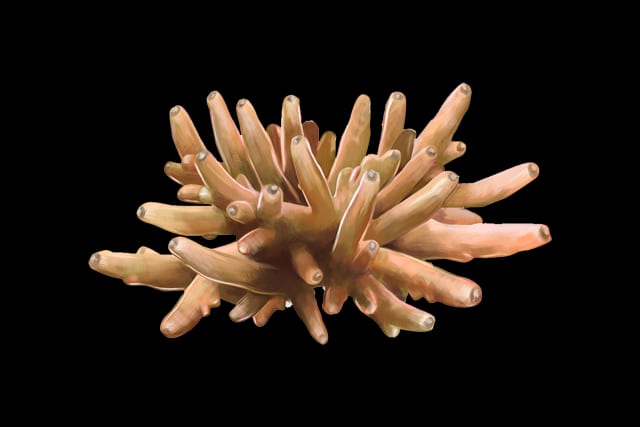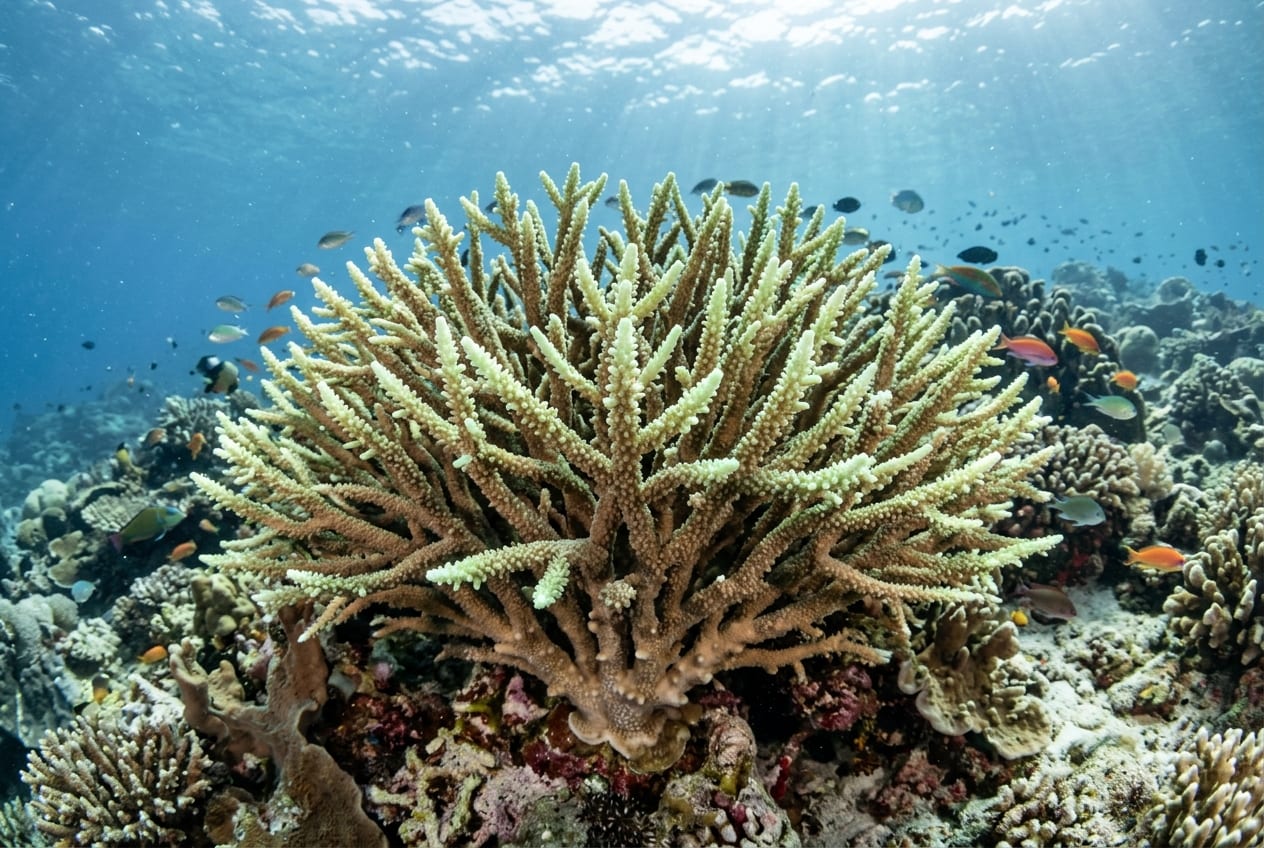
AI-generated image
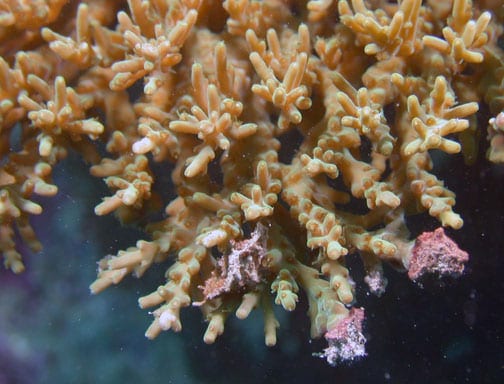
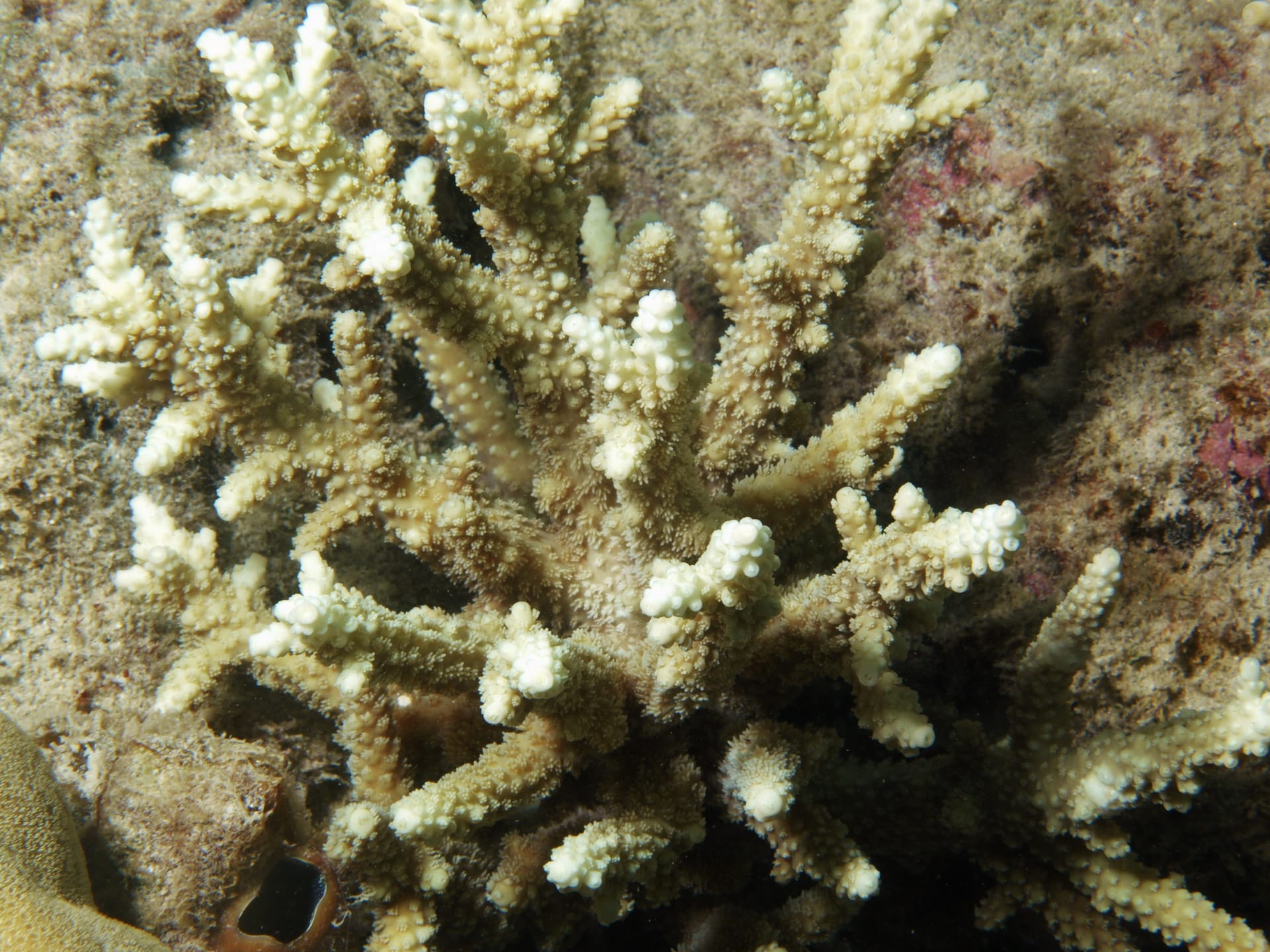
Acropora Gomezi
AdvancedAcropora gomezi
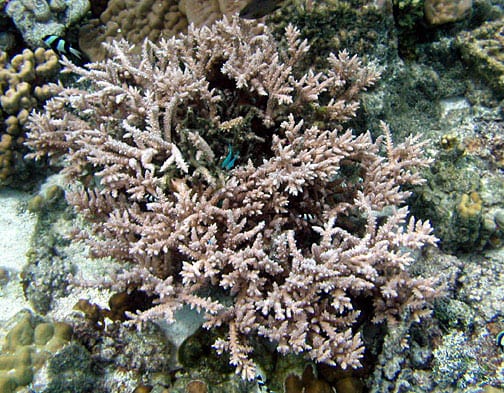
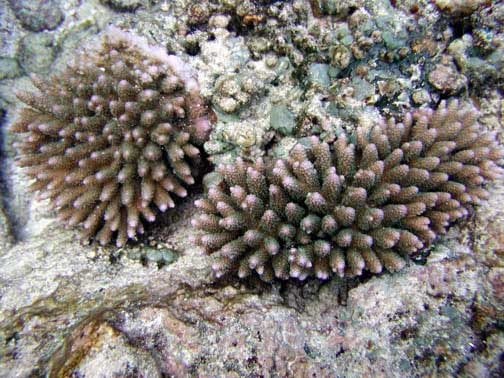
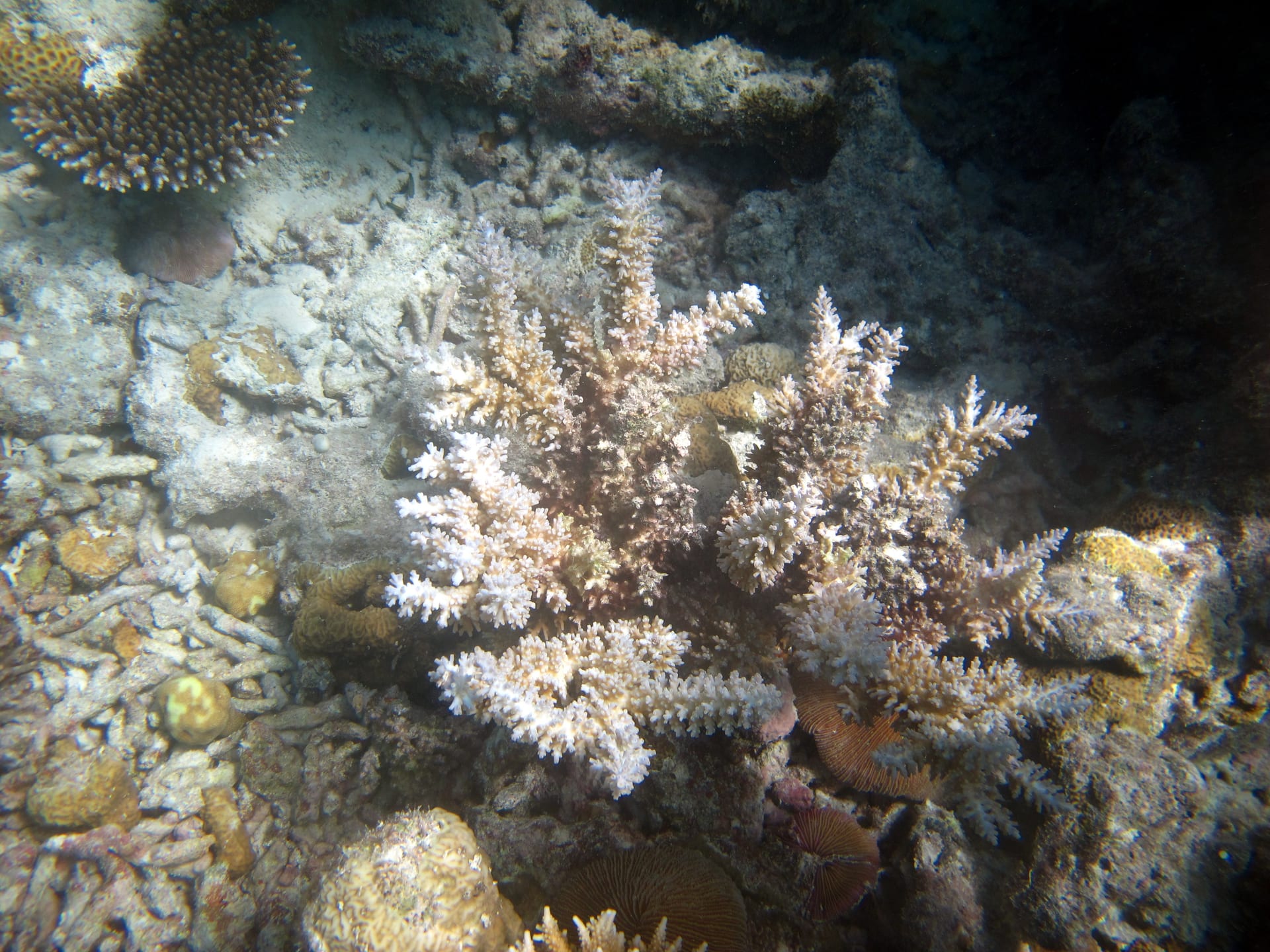
A relatively recently described Acropora, named by Veron in 2000. It lives in shallow water sheltered from wave action. Little has been published since its description and the IUCN classes it as Data Deficient.
Difficulty
Advanced
Temperature
22〜26℃
Diet
Mainly nutrition from symbiotic zooxanthellae, supplemented with powdered or liquid coral foods and phytoplankton.
About
Acropora gomezi was described by J. E. N. Veron in 2000. SeaLifeBase records it as reef-associated in shallow water protected from wave action. Its range covers the Indo-West Pacific between 20N and 10S and from 95E to 132E, a comparatively narrow band around Indonesia and the Philippines. Because the species was described recently and little ecological work has been published since, the IUCN classed it as Data Deficient in its 2023 assessment. Its husbandry requirements are those of the genus: strong light, strong flow and a stable supply of alkalinity and calcium. As a scleractinian it is listed on CITES Appendix II.
Source: WoRMS
Temperature & humidity for the Acropora Gomezi
The ideal temperature for the Acropora Gomezi is 22〜26℃.
Basic Info
Origin
Indo-West Pacific, between 20N and 10S and from 95E to 132E
Temperature
22〜26℃
Diet
Mainly nutrition from symbiotic zooxanthellae, supplemented with powdered or liquid coral foods and phytoplankton.
Care Guide
Lighting
Requires strong light. AlgaeBarn cites successful Acropora keeping at PAR 800 or more. Start newly added colonies under reduced light and raise it over several weeks.
Care Specifications
- Carbonate (KH)
- 8–12 dKH
- Water Temp.
- 22–26℃
- Specific Gravity
- 1.023–1.025
- Calcium (Ca)
- 380–440 ppm
- Magnesium (Mg)
- 1300–1400 ppm
SPSLight: High (PAR>150)Flow: HighPlacement: Top
Sources: LiveAquaria (Acropora valida) / LiveAquaria (Assorted Acropora Coral) / AlgaeBarn: A Quick Guide to LPS and SPS / SeaLifeBase
References & Sources
Edited & verified by: BreederDirect editorial team
The taxonomic, regulatory, and husbandry data on this page are compiled and verified against the authoritative primary sources below.
Taxonomy & Authority
Accepted name: Acropora gomezi Veron, 2000
Authority databases: WoRMS
Nomenclature follows global taxonomic authority databases.
Regulations & Conservation Status
CITES Appendix IIIUCN DD · Data Deficient
Domestic law: Collecting in Japanese waters is governed by each prefecture's fisheries adjustment regulations, which differ by prefecture. Okinawa Prefecture's regulations ban the collection of reef-building corals, including stony corals (Scleractinia), organ-pipe corals (Tubiporidae) and blue coral (Helioporacea); this covers corals naturally attached to quays or ropes, broken fragments lying on the seabed, and skeletons. Possessing or selling illegally collected corals is also banned. Cultured corals are exempt, and the prefecture advises buyers to confirm that a coral is cultured, on an artificial base or tagged.
Sources: CITES Appendix II (Scleractinia spp. listed as an order) / IUCN Red List (via SeaLifeBase)
Regulations may change. Always verify the latest information with the relevant authorities.
Acropora Gomezi Listings
Loading latest listingsFind listings for this species