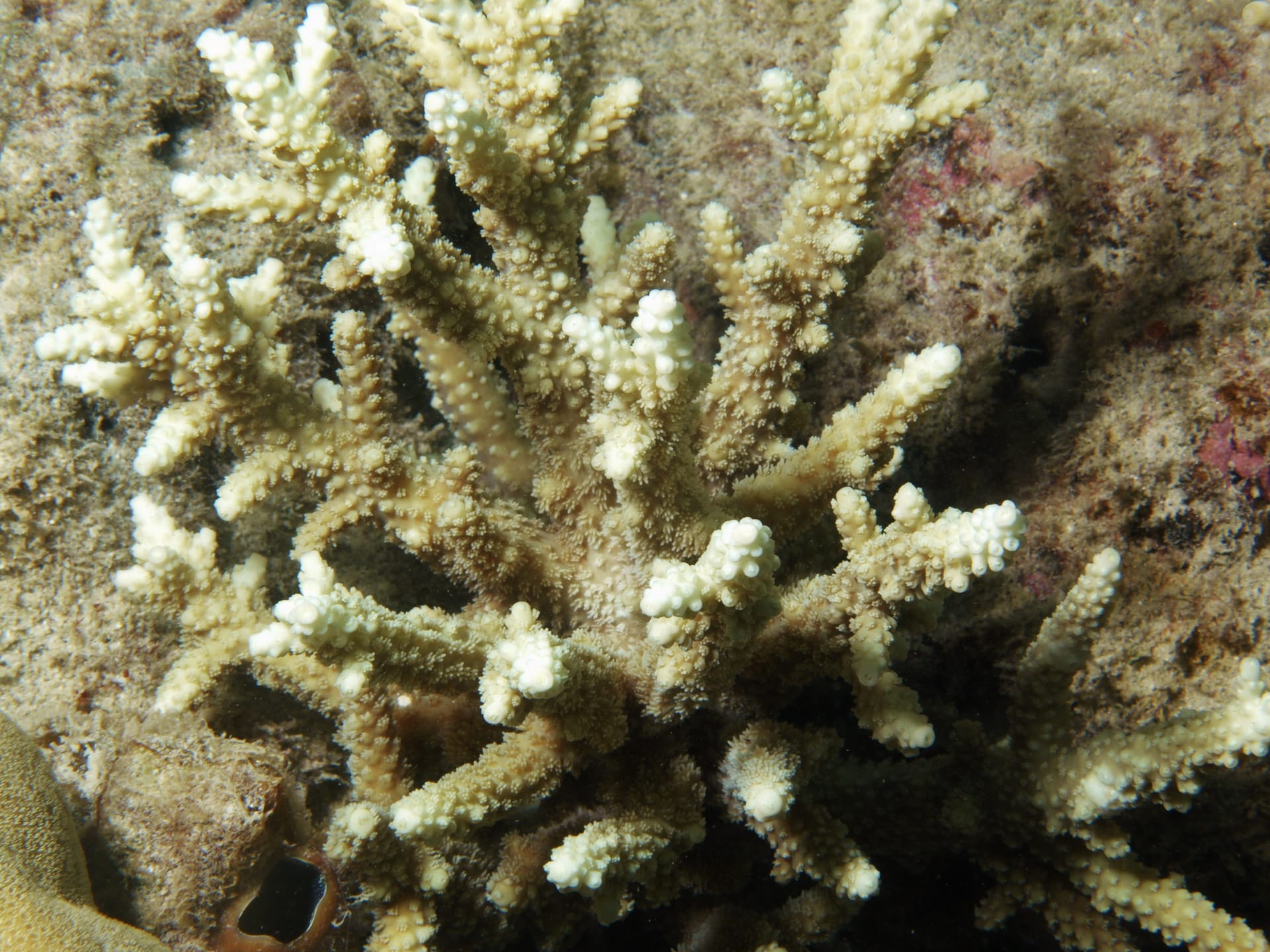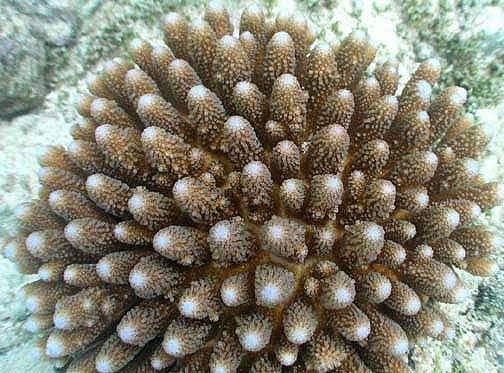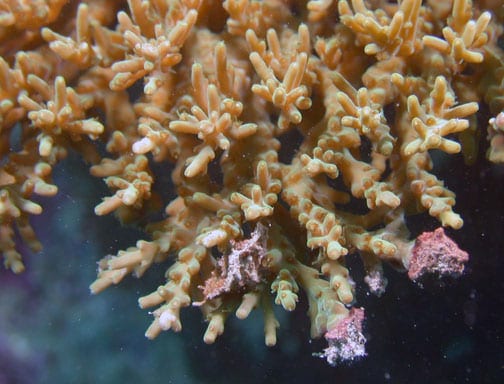
Source: Wikimedia Commons
Acropora Granulosa
AdvancedAcropora granulosa
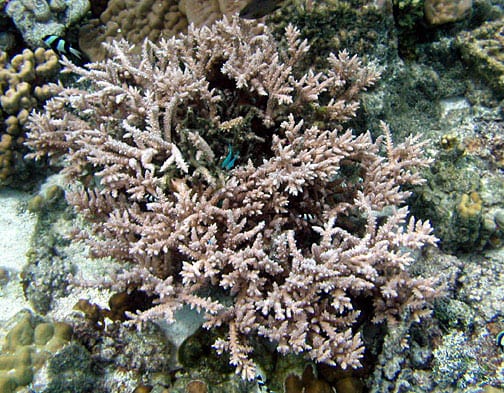
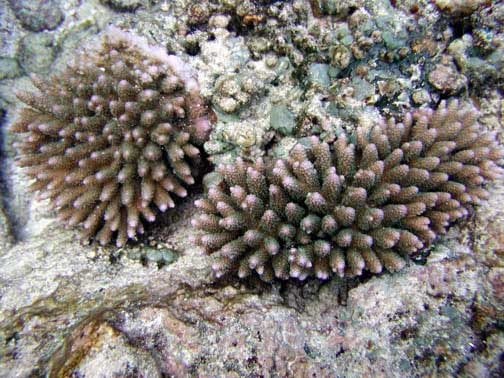
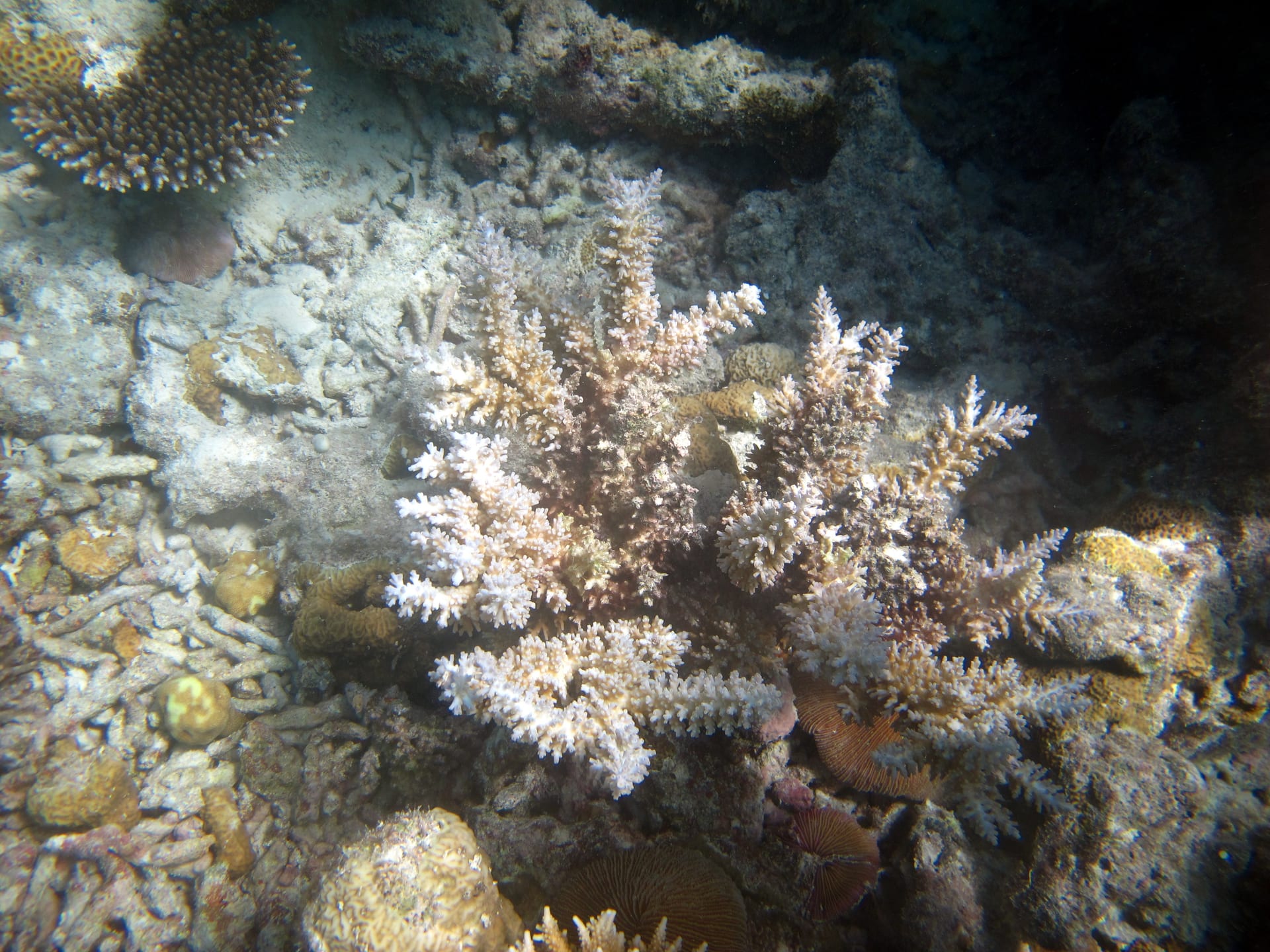
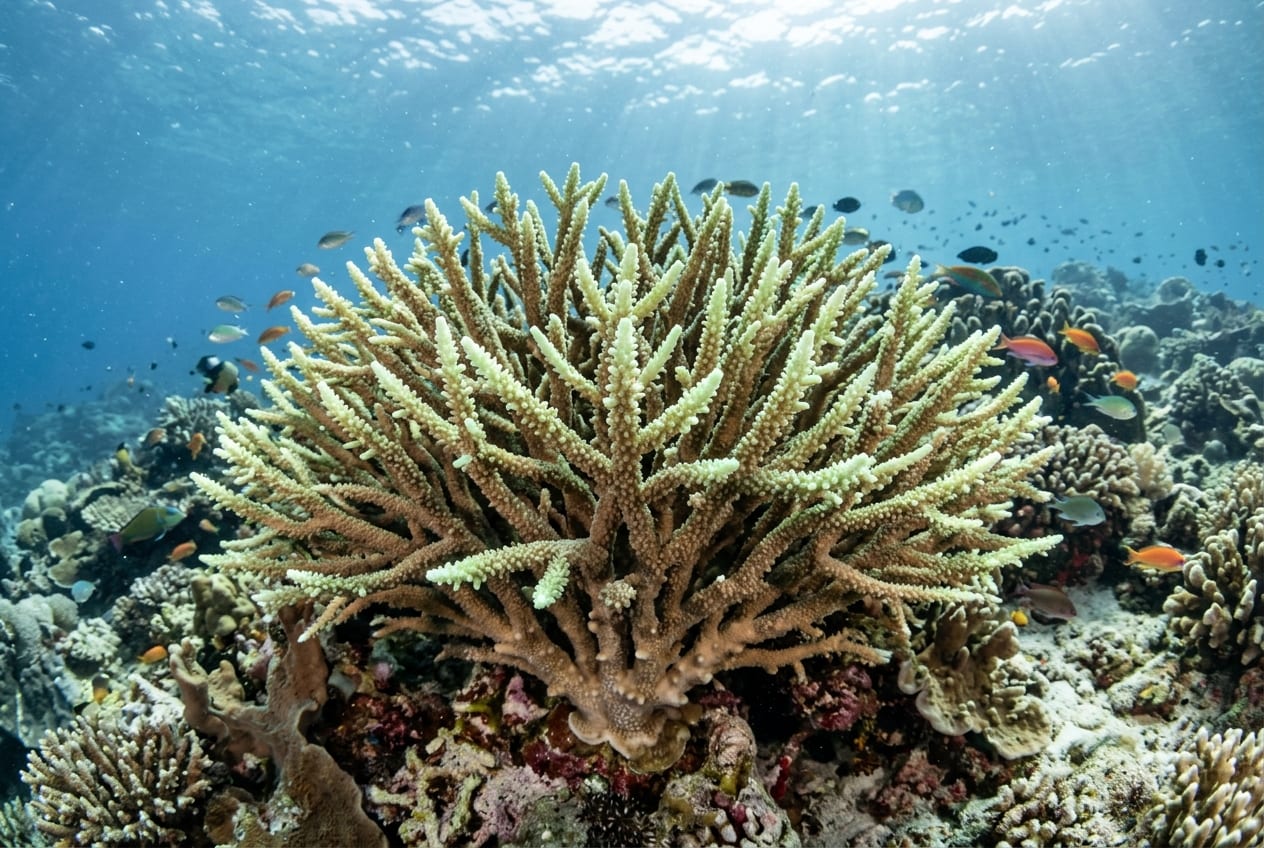
An Acropora that forms a single horizontal plate of branches under 1 m across, with short inclined branchlets and small pocket-shaped radial corallites. Colour is pale blue, cream or grey, and it lives relatively deep, at 8-40 m.
Difficulty
Advanced
Temperature
24〜27℃
Size
Colonies under 1 m in diameter
Diet
Mainly nutrition from symbiotic zooxanthellae, supplemented with powdered or liquid coral foods and phytoplankton.
About
Acropora granulosa was described by Milne Edwards in 1860 as Madrepora granulosa. It occurs in the northern and southwest Indian Ocean, the Red Sea, Australia, the East China Sea, Japan, the central and western Pacific and the central Indo-Pacific, on tropical shallow reefs at depths of 8-40 m; SeaLifeBase records a range of 3-40 m, making it one of the deeper-living Acropora. Colonies consist of a single horizontal plate of branches under 1 m in diameter, with evenly spaced branches and short inclined branchlets. Each branchlet carries at least one axial and one incipient axial corallite, and the small radial corallites are pocket-shaped. Colour is mostly pale blue, cream or grey, and no closely similar species is known. The IUCN assessed it as Vulnerable in 2023 and it is listed on CITES Appendix II.
Source: Wikipedia (CC BY-SA 4.0)
Size of the Acropora Granulosa
The Acropora Granulosa grows to Colonies under 1 m in diameter.
Temperature & humidity for the Acropora Granulosa
The ideal temperature for the Acropora Granulosa is 24〜27℃.
Basic Info
Origin
Northern and southwest Indian Ocean, Red Sea, Australia, East China Sea, Japan, the central and western Pacific and the central Indo-Pacific
Size
Colonies under 1 m in diameter
Temperature
24〜27℃
Diet
Care Specifications
- Carbonate (KH)
- 8–12 dKH
- Water Temp.
- 24–27℃
- Specific Gravity
- 1.023–1.025
- Salinity
- 33–35 ppt
- Calcium (Ca)
- 380–440 ppm
- Magnesium (Mg)
- 1300–1400 ppm
SPSLight: High (PAR>150)Flow: HighPlacement: Top
Sources: LiveAquaria (Acropora valida) / LiveAquaria (Assorted Acropora Coral) / AlgaeBarn: A Quick Guide to LPS and SPS /
References & Sources
Edited & verified by: BreederDirect editorial team
The taxonomic, regulatory, and husbandry data on this page are compiled and verified against the authoritative primary sources below.
Taxonomy & Authority
Accepted name: Acropora granulosa (Milne Edwards, 1860)
Synonyms: Madrepora granulosa Milne Edwards, 1860, Acropora clavigera (Brook, 1892)
Authority databases: WoRMS
Nomenclature follows global taxonomic authority databases.
Regulations & Conservation Status
CITES Appendix IIIUCN VU · Vulnerable
Sources: CITES Appendix II (Scleractinia spp. listed as an order) / IUCN Red List (via SeaLifeBase)
Regulations may change. Always verify the latest information with the relevant authorities.
Acropora Granulosa Listings
Loading latest listingsFind listings for this species