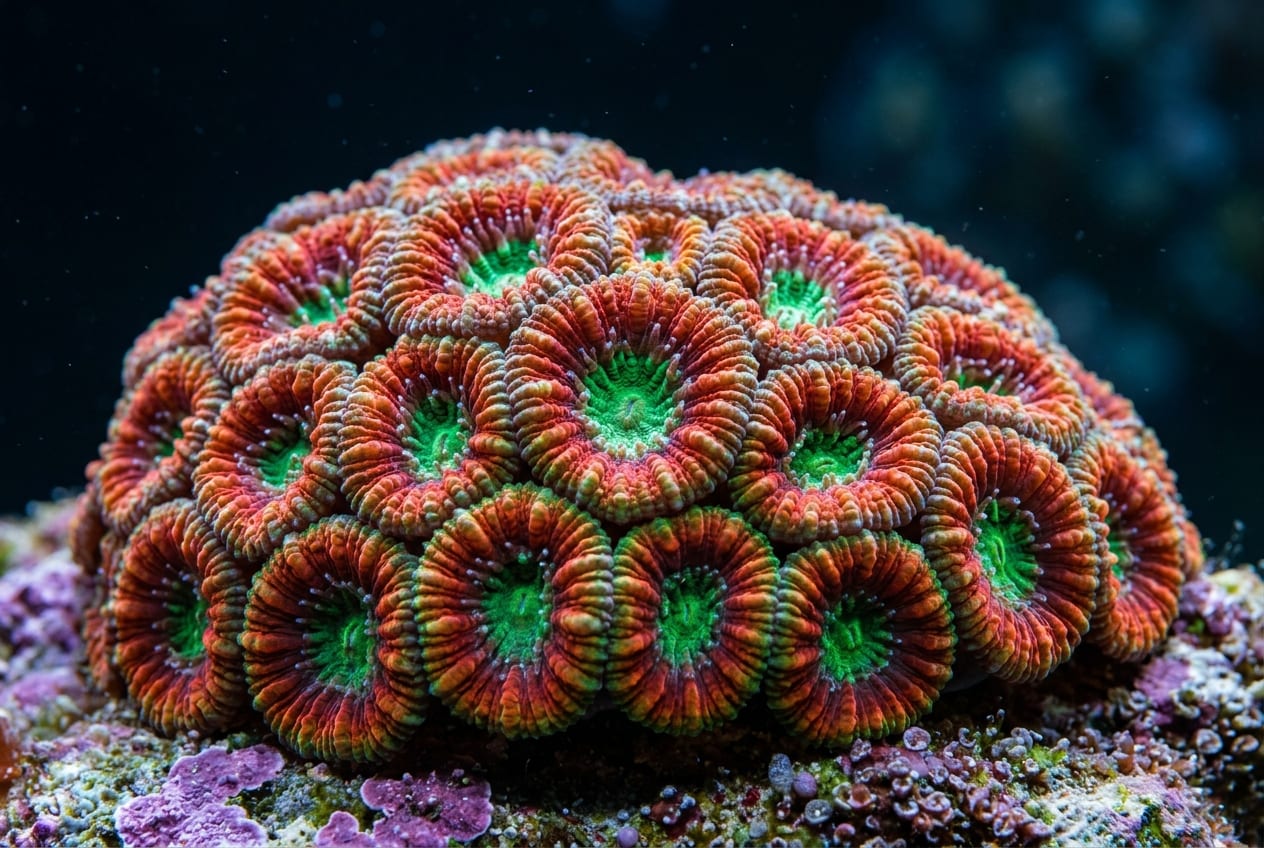
Acan Bowerbanki
Acan Bowerbanki is a large-polyp stony coral (LPS) found across reefs of the Pacific and Indian Oceans. Its thick, fleshy polyps swell up to completely blanket the skeleton beneath, and specimens showing a strong contrast between green centers and red or orange highlights are traded under the name "Acan." It's also still known by its older genus name, Acanthastrea, and remains a favorite among coral collectors. The way its plump polyps pile together into a cushiony mound gives real presence to any reef layout. Because it's generally considered a species for intermediate keepers, success depends on paying attention to flow, lighting, and spacing from neighboring corals.
View Acan Bowerbanki encyclopedia →0% commission on your first sales!Register by September 30, 2026 and your first 2 sales are commission-free!
Breeder Wanted!
List on BreederDirect and sell directly to customers nationwide!
Br-Choku's 6 Transparency Standards
Our Breeder sellers disclose detailed care specs for all Coral listings. We prioritize Aquacultured/CB specimens, verify WYSIWYG photos, and provide difficulty ratings—avoiding wild-caught.
- Aquacultured
- WYSIWYG Photo
- Difficulty Disclosed
- Frag/Colony
- Care Info Included
- Trade name shown
Browse all 210 breeds
Difficulty
No listings match your filters
Adjust your filters, or get notified when new listings arrive.
Getting alerts is free with a member account. When new listings match your saved search, we'll notify you by email and in-app.
Browse other categories
Verified breeders (preview)
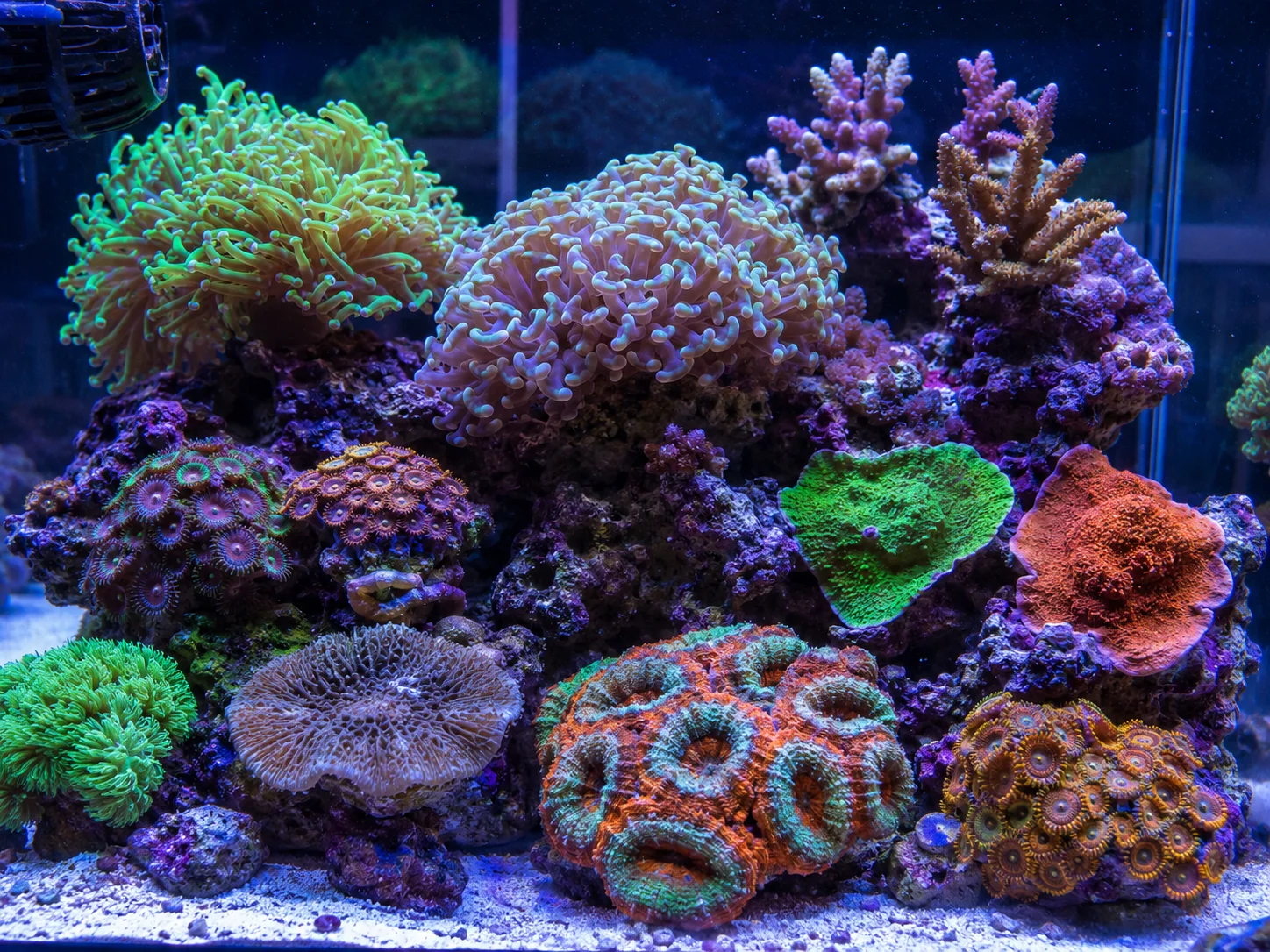
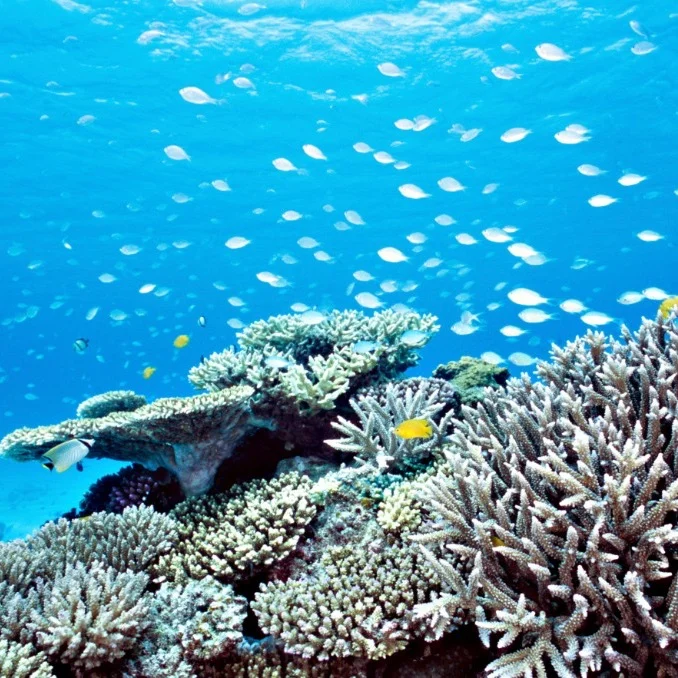
Acan Bowerbanki key facts
- Care level
- Intermediate
- Temperature
- 24〜27℃
- Diet
- Photosynthesis via zooxanthellae plus meaty foods
- Lighting
- Moderate LED lighting; start low and acclimate, since too much light causes fading.
- Flow & Placement
- Low to moderate flow. Direct strong current damages the fleshy tissue, so avoid it.
- Water Temperature & Quality
- Keep 24-27 C with KH 7-12 and calcium 400-450 ppm, held stable.
- Feeding
- It extends feeding tentacles at night; target-feed minced fish or shrimp to each polyp for colour and growth.
- Notes
- It is sometimes traded under the old genus name Acanthastrea. As a scleractinian it is CITES Appendix II.
About Acan Bowerbanki
Acan Bowerbanki is a Pacific and Indian Ocean LPS coral prized for its fleshy polyps in striking green-and-orange or red contrast. Also known by its former genus name Acanthastrea, it suits intermediate-level reef keepers.
7 things to know before welcoming a Acan Bowerbanki
1Placement, Light & Flow
Acan Bowerbanki doesn't do well under overly intense direct light or strong flow, which can cause the polyps to retract or the tissue to become damaged. Choose a spot with moderate-to-low light, such as in the shade of live rock, with gentle water movement.
2Acclimate to Lighting Gradually
A newly acquired specimen hasn't yet adjusted to your tank's lighting, and sudden exposure to strong light can cause bleaching or loss of color. Start it in a lower-light spot and gradually move it toward its intended location over several days to a week.
3Give It Space from Other Corals
When its fleshy polyps swell to full size, they can come into contact with neighboring corals, potentially triggering stinging-cell aggression between species. Leave generous spacing around it that accounts for how large it may eventually grow.
4Feeding Supports Color & Growth
Beyond relying on photosynthesis, this species also captures food, so offering small particles once the polyps extend after the lights go off can support its color and growth. Daily feeding isn't required — adjust based on how the individual is doing.
5Stable Water Quality Matters
Sudden shifts in water parameters, or a buildup of phosphate and nitrate, tend to show up quickly in this coral's polyp extension and coloration. Keep up with regular water changes and testing to maintain stable conditions.
6Colonies Spread Gradually
Under good conditions, new polyps form through budding and division, and the colony slowly expands over time. It isn't a fast grower, so patience is the right mindset when watching it develop.
7What to Check Before Bringing One Home
Check that the polyps are extending well, that the skeleton isn't excessively exposed, and that there's no severe color loss or tissue recession. It may stay contracted right after transport, so give it a few quiet days to settle before judging its condition.
Frequently asked questions about Acan Bowerbanki
- Q.Are "Acan" and "Acanthastrea" different corals?
- A.They refer to the same coral. Acanthastrea is the older genus name; it's now classified under family Lobophylliidae, and specimens with strong green-versus-red/orange contrast are commonly sold under the nickname "Acan."
- Q.How much light and flow does it need?
- A.It doesn't tolerate intense direct light or strong current well, preferring moderate-to-low light — such as in the shade of live rock — with gentle flow. A spot shaded by other corals can also work as placement.
- Q.Should I feed it?
- A.It's not mandatory, but since it captures food in addition to photosynthesizing, offering fine particles once the polyps open after lights-out can help its color and growth. Feed within a reasonable range based on how it's doing.
- Q.Is it safe to place near other corals?
- A.Because its polyps expand considerably, contact with neighboring corals can trigger stinging-cell aggression. Space it well away from surrounding corals, accounting for its eventual size.
- Q.How difficult is it to keep?
- A.It's generally considered suitable for intermediate keepers. Having a working knowledge of adjusting light and flow and maintaining stable water quality makes it easier to keep successfully.
Useful tools for Acan Bowerbanki care
Learn more about Acan Bowerbanki in the encyclopedia
View Acan Bowerbanki encyclopedia entry →
Care difficulty, lifespan, size and diet — all basics covered.
More in this category
Can't find the one you're looking for?
Post your wishes for free and breeders with matching animals will contact you with introductions.