
Other Dogs
The "other breeds" category covers a wide range of purebred, rare, and emerging dog breeds from Japan and around the world. Each has its own unique size, temperament, and exercise needs, so researching breed-specific traits before bringing one home is essential. The joy lies in finding the perfect match for your lifestyle among this diverse lineup.
0% commission on your first sales!Register by September 30, 2026 and your first 2 sales are commission-free!
Breeder Wanted!
List on BreederDirect and sell directly to customers nationwide!
4 Trust Pillars from BreederDirect
All puppy listings include full disclosure from verified Breeder. BreederDirect enforces legally-mandated standards for safe, transparent direct purchases.
- MicrochipRequired
- Vaccinated
- Health Exam
- Pedigree Certificate
※ Microchip implantation is mandatory for breeders under Japan's Animal Protection Law (effective June 2022).
Secure transaction guarantee
Dogs & cats onlyEvery BreederDirect transaction is covered by our transaction guarantee. If you cannot receive your pet, you will be fully refunded. A health guarantee also covers you after handover.
Learn about transaction safety →Browse all 232 breeds
Verified breeders wanted for Dogs
Breeders are signing up now ahead of launch. Subscribe to be notified when new listings go live.
Getting alerts is free with a member account. When new listings match your saved search, we'll notify you by email and in-app.
Browse other categories
Verified breeders (preview)


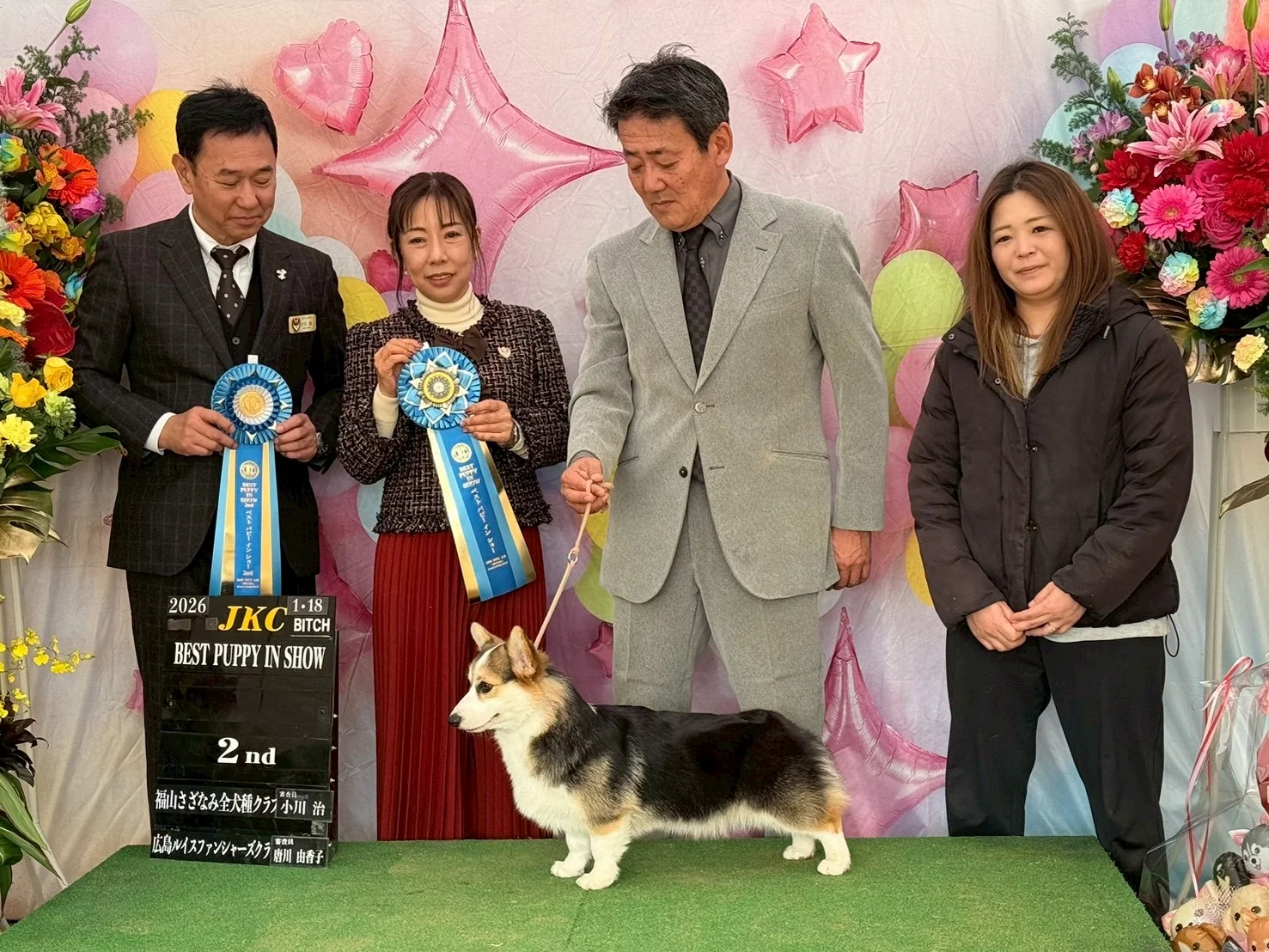
About Other Dogs
"Other Breeds" is a broad category that encompasses purebred, rare, and emerging dog breeds not classified under more common headings. Many of these breeds developed independently around the world to serve specific working roles — hunting, guarding, herding — and those original purposes are still reflected in their modern temperaments and physiques. They range from tiny toy-sized dogs to large, powerful working breeds, with coats that vary in texture, length, and color. In terms of personality, some are friendly and easy-going for first-time owners, while others have strong independent streaks that suit experienced handlers. Discovering a less familiar breed can be a wonderful way to deepen your appreciation for the remarkable diversity of dogs. Take time to research breeds that match your lifestyle and living situation, and you'll be well on your way to building a lasting, rewarding bond.
7 things to know before welcoming a Other Dogs
1Traits Vary by Breed
Rare and emerging breeds often have limited information in general breed guides. Consult breeders or specialists directly to understand the breed's specific temperament, exercise requirements, and socialization needs before committing.
2Verify Information Sources
Some breeds in this category may not yet be officially recognized by the JKC or are in the process of gaining recognition. Obtain pedigree certificates and registration details from the breeder to verify the dog's lineage and breed authenticity.
3Exercise Needs Vary Widely
Exercise requirements differ greatly between toy-type companions and large working-type breeds. Assess daily walk duration, activity intensity, and mental stimulation needs in advance, and consider whether they fit your daily routine.
4Check Health Screening Records
For rare breeds, research on hereditary conditions may be limited. Ask the breeder about health testing performed on the parent dogs, and if possible, request results of a veterinary puppy examination before purchase.
5Find a Vet Familiar with the Breed
Not all veterinarians have experience with rare or uncommon breeds. When choosing a vet, ask about their familiarity with your specific breed. Specialty clinics and university animal hospitals in urban areas often have broader breed experience.
6Costs Differ by Breed
Rare breeds often come with a higher initial purchase price. Grooming frequency, specialized trimming, or specific dietary requirements may also add ongoing costs. Estimate annual maintenance expenses, not just the purchase price, before deciding.
7Start Training Early and Consistently
Learning styles and independence levels vary significantly by breed. Begin positive reinforcement-based training from puppyhood, and prioritize broad socialization during the critical period (3–14 weeks) to build a well-adjusted, confident dog.
Frequently asked questions about Other Dogs
- Q.Where can I find rare dog breeds?
- A.Searching through specialist breed clubs or registered breeder associations is the most reliable approach. The Japan Kennel Club (JKC) maintains a breeder registry, and breed-specific fan clubs can also point you in the right direction. Trustworthy breeders will openly share health records and information about their breeding environment.
- Q.Are purebreds or mixed breeds easier to raise?
- A.Ease of care depends on the individual dog, the breed, and the owner's lifestyle rather than purebred versus mixed status. Purebreds offer more predictable size and temperament, while mixed breeds may benefit from greater genetic diversity and potentially fewer inherited conditions. The key is finding a match for your specific circumstances.
- Q.What should I know about keeping a foreign breed in Japan?
- A.Climate adaptation is the primary concern. Breeds from cold climates often struggle with Japan's hot, humid summers and require careful air conditioning management. Additionally, importing or breeding dogs in Japan must comply with legal requirements including the Animal Welfare Act and Rabies Prevention Law.
- Q.Can a dog be recognized as a breed without a pedigree certificate?
- A.A pedigree certificate documents a dog's lineage and the breeder's credibility, but its absence does not prevent you from owning or caring for a dog. However, entering conformation shows or official breeding programs typically requires registration with organizations like the JKC. The presence or absence of papers also affects the dog's price and future breeding options.
- Q.What are emerging or newly recognized dog breeds?
- A.Emerging breeds are those that have been established or officially recognized relatively recently, or are currently working toward official recognition. They may have been selectively developed from existing breeds or standardized from regional landrace dogs. Because pre-recognition breeds have less documented genetic and health data, thorough research before acquiring one is especially important.
Useful tools for Other Dogs care
More in this category
Can't find the one you're looking for?
Post your wishes for free and breeders with matching animals will contact you with introductions.