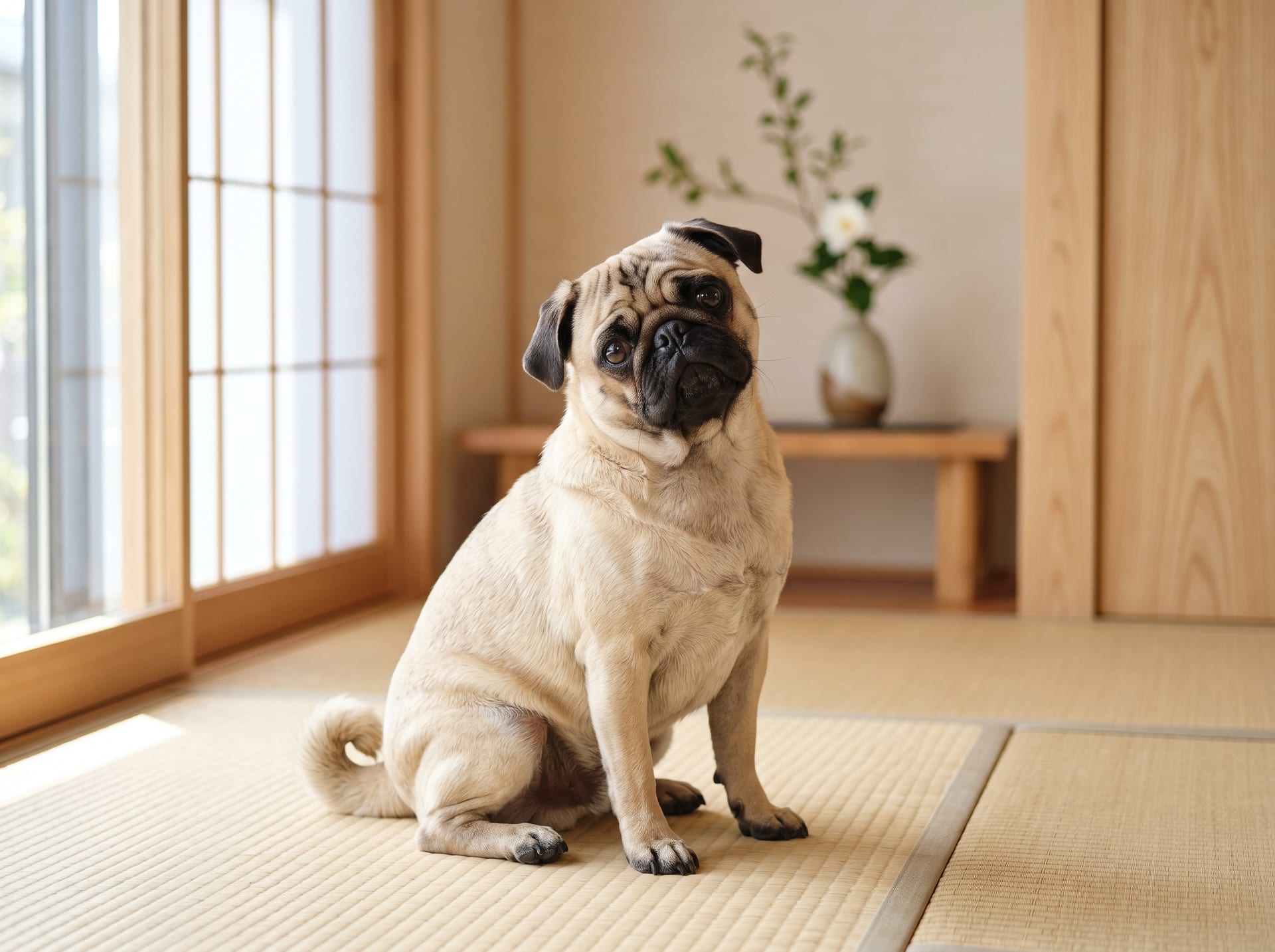
Pug
Charming flat-faced dog with a humorous personality. Low exercise needs, perfect for city living.
View Pug encyclopedia →- Price Range
- ¥200,000〜¥660,000
0% commission on your first sales!Register by September 30, 2026 and your first 2 sales are commission-free!
Breeder Wanted!
List on BreederDirect and sell directly to customers nationwide!
4 Trust Pillars from BreederDirect
All puppy listings include full disclosure from verified Breeder. BreederDirect enforces legally-mandated standards for safe, transparent direct purchases.
- MicrochipRequired
- Vaccinated
- Health Exam
- Pedigree Certificate
※ Microchip implantation is mandatory for breeders under Japan's Animal Protection Law (effective June 2022).
Secure transaction guarantee
Dogs & cats onlyEvery BreederDirect transaction is covered by our transaction guarantee. If you cannot receive your pet, you will be fully refunded. A health guarantee also covers you after handover.
Learn about transaction safety →Browse all 129 breeds
Verified breeders wanted for Dogs
Breeders are signing up now ahead of launch. Subscribe to be notified when new listings go live.
Getting alerts is free with a member account. When new listings match your saved search, we'll notify you by email and in-app.
Browse other categories
Verified breeders (preview)
Pug key facts
- Care level
- Beginner-friendly
- Lifespan
- 12-15 years
- Size
- Height 25-33cm / Weight 6-8kg
- Diet
- High-quality small-breed food. Strict portion control essential as prone to obesity.
- Temperament
- Cheerful and humorous. Loves people and is the family entertainer.
- Exercise
- 20-30 min walk daily. Avoid heat; keep cool.
- Coat Care
- Short coat, easy care but sheds a lot. Keep facial wrinkles clean.
- Origin
- China
- Notes
- Brachycephalic; prone to breathing issues and heat sensitivity. Watch for obesity and eye problems.
About Pug
The Pug's history traces back to ancient China, where it was treasured as a lapdog of emperors. By the 16th century, the breed had made its way to Europe via the Netherlands and became a beloved companion of royalty across the continent. Today, Pugs are cherished household pets worldwide. Their distinctive appearance — flat face, deep facial wrinkles, round eyes, and tightly curled tail — gives them an irresistible, comical charm. Compact in build at around 6–9 kg, they carry a smooth, short coat. Temperamentally, Pugs are cheerful, affectionate, and eager to bond with every member of the family. Their playful, clownish side brings laughter to daily life. While their modest exercise requirements make them well-suited to city living, prospective owners should be prepared to actively manage breed-specific health concerns — particularly respiratory and eye issues — to help their Pug live a long and comfortable life.
7 things to know before welcoming a Pug
1Heat Sensitivity
As a brachycephalic breed, Pugs have narrow airways and struggle to regulate body temperature efficiently. Keep indoor temperatures below 26°C with air conditioning during summer, and avoid strenuous outdoor activity in the heat. Their risk of heatstroke is significantly higher than that of most other breeds.
2Wrinkle Care
Dirt and moisture can accumulate easily in Pug facial wrinkles, leading to skin irritation or infection if neglected. Gently wipe between the folds with a soft cloth or cotton pad daily, keeping the area clean and dry. The wrinkle above the nose is especially easy to overlook, so make a habit of checking it regularly.
3Brachycephalic Health
Pugs are prone to Brachycephalic Obstructive Airway Syndrome (BOAS), which can cause snoring, labored breathing, and exercise intolerance. Severe cases may require surgical intervention, so regular veterinary check-ups are recommended. Before acquiring a Pug, it's worth asking the breeder about the breathing health of the parent dogs.
4Obesity Risk
Pugs have hearty appetites and are particularly prone to obesity, which places additional strain on their already compromised airways and joints. Stick to recommended portion sizes and limit treats to avoid overfeeding. Weight management is one of the most critical aspects of keeping a Pug healthy long-term.
5Companion-Oriented Nature
Pugs thrive on close companionship and can become stressed when left alone for extended periods. If you have long working hours, consider arrangements to minimize alone time before bringing one home. On the positive side, Pugs are generally friendly toward children and strangers, making them sociable family pets.
6Eye Health Awareness
Due to their prominent, protruding eyes, Pugs are susceptible to corneal injuries and other eye-related issues. If you notice excessive discharge or squinting, seek veterinary attention promptly. Taking care to prevent grass, dust, or debris from contacting their eyes during walks can help reduce the risk.
7Shedding Volume
Despite their short coat, Pugs are heavy shedders year-round, with shedding intensifying during spring and autumn. Daily brushing and frequent vacuuming are necessary, and the breed may not be suitable for those with dog hair allergies. Keeping a lint roller on hand for clothing and furniture is a practical everyday tip.
Frequently asked questions about Pug
- Q.Can Pugs be kept in apartments?
- A.Pugs are well-suited to apartment living thanks to their low exercise needs and relatively quiet nature. However, temperature control is critical — air conditioning is essential, not optional, especially in summer. With adequate indoor space and daily walks, they can live happily in a flat.
- Q.What is the average lifespan of a Pug?
- A.Pugs typically live around 12 to 15 years. Maintaining a healthy weight, managing respiratory health, and attending regular veterinary check-ups all contribute to a longer life. Addressing breed-specific health issues proactively from an early age is key.
- Q.Are Pugs difficult to train?
- A.Pugs can be stubborn and have a relatively short attention span, which requires patience during training. That said, their food motivation makes reward-based training effective when sessions are kept short and consistent. Positive reinforcement — praising and rewarding immediately upon success — works much better than harsh correction.
- Q.Do Pugs get along with children and other pets?
- A.Pugs are generally sociable and gentle, making them compatible with children and other pets such as dogs and cats. However, their prominent eyes are vulnerable to accidental injury, so children should be supervised when handling them around the face. Early socialization with a variety of people and animals helps them develop into confident, well-adjusted companions.
- Q.How much do veterinary costs typically run for a Pug?
- A.Pugs tend to incur higher-than-average veterinary costs due to their predisposition to respiratory issues, eye problems, and skin conditions. Surgical treatment for airway obstruction can run into the hundreds of thousands of yen in some cases. It is strongly advisable to research and enroll in pet insurance before bringing a Pug home.
Useful tools for Pug care
Learn more about Pug in the encyclopedia
View Pug encyclopedia entry →
Care difficulty, lifespan, size and diet — all basics covered.
Pug related articles
See more Pug articles →More in this category
Can't find the one you're looking for?
Post your wishes for free and breeders with matching animals will contact you with introductions.