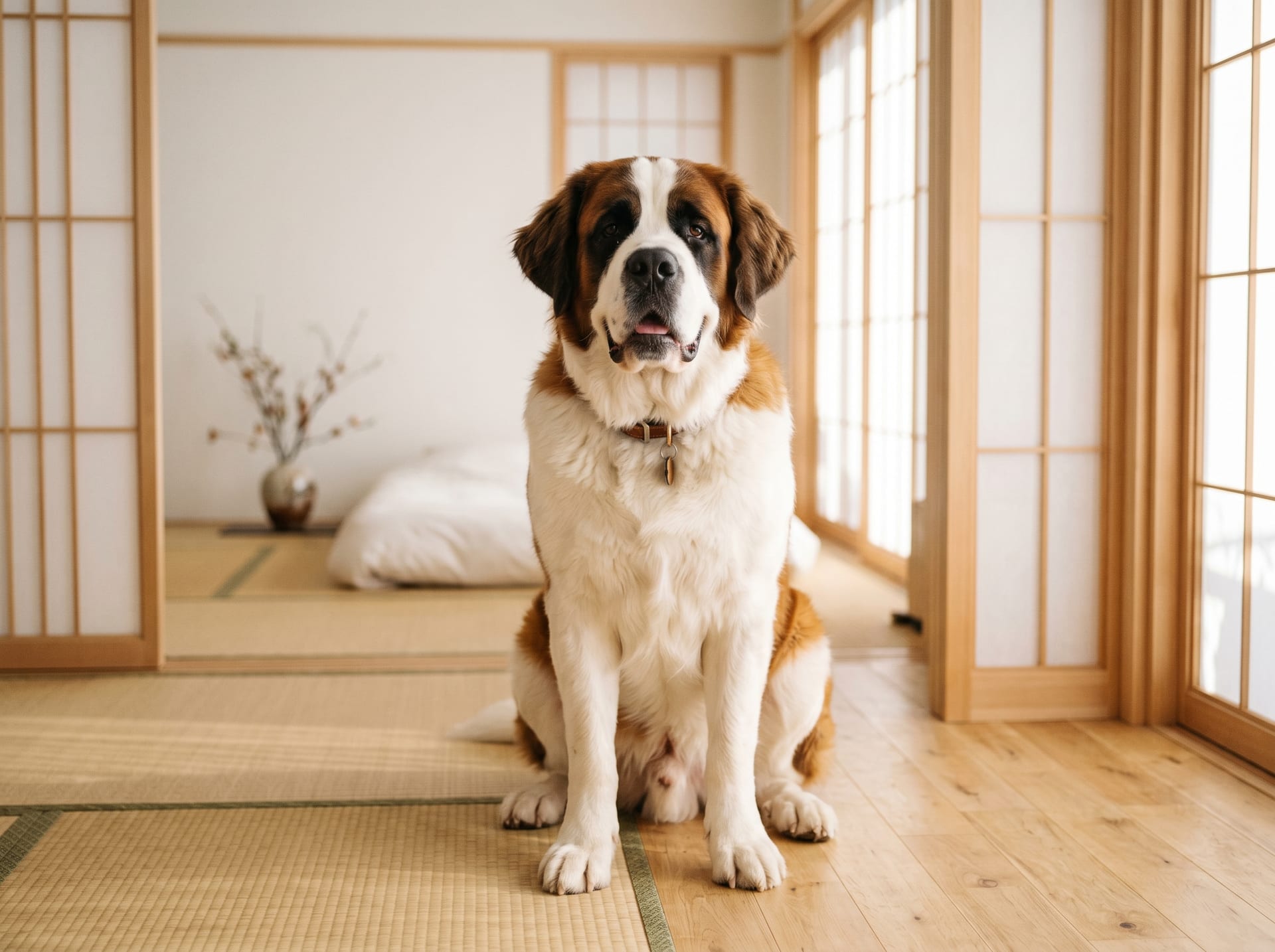
Saint Bernard
Legendary Alpine rescue dog. Gentle and wonderful with children.
View Saint Bernard encyclopedia →- Price Range
- ¥200,000〜¥548,000
0% commission on your first sales!Register by September 30, 2026 and your first 2 sales are commission-free!
Breeder Wanted!
List on BreederDirect and sell directly to customers nationwide!
4 Trust Pillars from BreederDirect
All puppy listings include full disclosure from verified Breeder. BreederDirect enforces legally-mandated standards for safe, transparent direct purchases.
- MicrochipRequired
- Vaccinated
- Health Exam
- Pedigree Certificate
※ Microchip implantation is mandatory for breeders under Japan's Animal Protection Law (effective June 2022).
Secure transaction guarantee
Dogs & cats onlyEvery BreederDirect transaction is covered by our transaction guarantee. If you cannot receive your pet, you will be fully refunded. A health guarantee also covers you after handover.
Learn about transaction safety →Browse all 129 breeds
Verified breeders wanted for Dogs
Breeders are signing up now ahead of launch. Subscribe to be notified when new listings go live.
Getting alerts is free with a member account. When new listings match your saved search, we'll notify you by email and in-app.
Browse other categories
Verified breeders (preview)

Saint Bernard key facts
- Care level
- Intermediate
- Lifespan
- 8-10 years
- Size
- Height 65-90cm / Weight 54-91kg
- Diet
- High-quality giant-breed food.
- Temperament
- Gentle and patient. Extremely kind with children.
- Exercise
- 30-45 min gentle walk daily.
- Coat Care
- Short and long coat types. Brush 2-3 times weekly. Drool management needed.
- Origin
- Switzerland
- Notes
- Very high risk of gastric torsion. Watch for hip dysplasia and heart disease.
About Saint Bernard
The Saint Bernard's origins trace back to 17th-century Switzerland, where monks at the Great Saint Bernard Hospice in the Alps bred these dogs to rescue travelers stranded by avalanches and blizzards. The most celebrated rescue dog, Barry, is said to have saved more than 40 lives, a legacy that continues to inspire dog lovers worldwide. Physically, the breed is distinguished by its massive, expressive head and abundant coat—available in both short and long varieties—conveying calm intelligence at a glance. In temperament, Saint Bernards are famously patient, devoted, and naturally protective of children, often assuming a quiet guardian role within the family. That said, they possess an independent streak and can become destructive if under-stimulated. For households that can provide ample space, regular exercise, and mental enrichment, the Saint Bernard offers an extraordinary depth of companionship that few breeds can match.
7 things to know before welcoming a Saint Bernard
1Space for a Giant Frame
Saint Bernards can weigh over 90 kg, so a spacious interior, large crate, and oversized bed are necessities. While some owners keep them in apartments, ample floor space and attention to steps or narrow corridors are critical. Check doorway widths and room layouts before bringing one home.
2Low Heat Tolerance
Their thick double coat and massive body are well-suited to cold climates but struggle in Japan's hot, humid summers. Air-conditioning should run continuously indoors, and outdoor exercise during midday heat should be avoided. Owners need to monitor closely for signs of heatstroke year-round.
3Heavy Drooling and Shedding
Saint Bernards drool heavily, and walls, floors, and furniture will regularly get splattered. Shedding is profuse, especially during seasonal coat changes, requiring frequent brushing and cleaning. Keeping towels and wipes around the house quickly becomes a daily habit for most owners.
4Joint and Bone Health Risks
Hip and elbow dysplasia are common in giant breeds like the Saint Bernard. Excessive exercise or rapid weight gain during puppyhood can damage developing joints. Restricting stair climbing and jumping in young dogs, combined with regular veterinary check-ups, helps reduce long-term joint problems.
5High Food and Vet Costs
Feeding a Saint Bernard requires large quantities of high-quality giant-breed food, often costing tens of thousands of yen per month. Veterinary procedures scale with body size, making surgeries and hospitalizations especially expensive. Pet insurance is strongly recommended before bringing one home.
6Socialize and Train Early
Because an adult Saint Bernard is too large to control without proper training, teaching basic commands and leash manners during puppyhood is essential. Their gentle nature responds well to positive reinforcement—force-based methods are unnecessary and counterproductive. Early socialization with people, other dogs, and various environments builds a well-adjusted adult.
7Risk of Bloat (GDV)
Gastric dilatation-volvulus (GDV), or bloat, is a life-threatening emergency that disproportionately affects large, deep-chested breeds. Avoiding strenuous exercise right after meals and splitting daily food into multiple smaller portions can help reduce the risk. If you notice a distended abdomen, restlessness, or unproductive retching, contact a veterinarian immediately.
Frequently asked questions about Saint Bernard
- Q.Can a Saint Bernard be kept in an apartment?
- A.It is possible but challenging. Adequate floor space, odor management, and drool control are essential, and elevator and hallway encounters with neighbors require careful management. Always check your building's weight restrictions for pets before committing.
- Q.How much daily exercise does a Saint Bernard need?
- A.A moderate walk of 30–60 minutes per day is generally sufficient for an adult. Strenuous exercise puts excessive strain on their large joints, and puppies should have activity carefully restricted during their growth phase. In warm months, limit outings to early morning or evening when temperatures are cooler.
- Q.How difficult is managing shedding and drool?
- A.Both are significant. Shedding requires daily brushing and frequent vacuuming, particularly during seasonal coat changes. Drooling is heaviest after meals, excitement, and drinking, so keeping towels on hand in every room quickly becomes a non-negotiable part of daily life.
- Q.What is the average lifespan and main health risks?
- A.The average lifespan is 8–10 years, which is typical for giant breeds. Major health risks include hip and elbow dysplasia, gastric dilatation-volvulus (GDV), and heart conditions. Regular veterinary check-ups and maintaining a healthy weight are key factors in supporting a longer life.
- Q.How do Saint Bernards get along with children and other dogs?
- A.Saint Bernards are generally patient and gentle with children, but their sheer size means they can accidentally knock small children over. They tend to be calm around other dogs as well, though early socialization during puppyhood is important for building consistently positive relationships.
Useful tools for Saint Bernard care
Learn more about Saint Bernard in the encyclopedia
View Saint Bernard encyclopedia entry →
Care difficulty, lifespan, size and diet — all basics covered.
More in this category
Can't find the one you're looking for?
Post your wishes for free and breeders with matching animals will contact you with introductions.