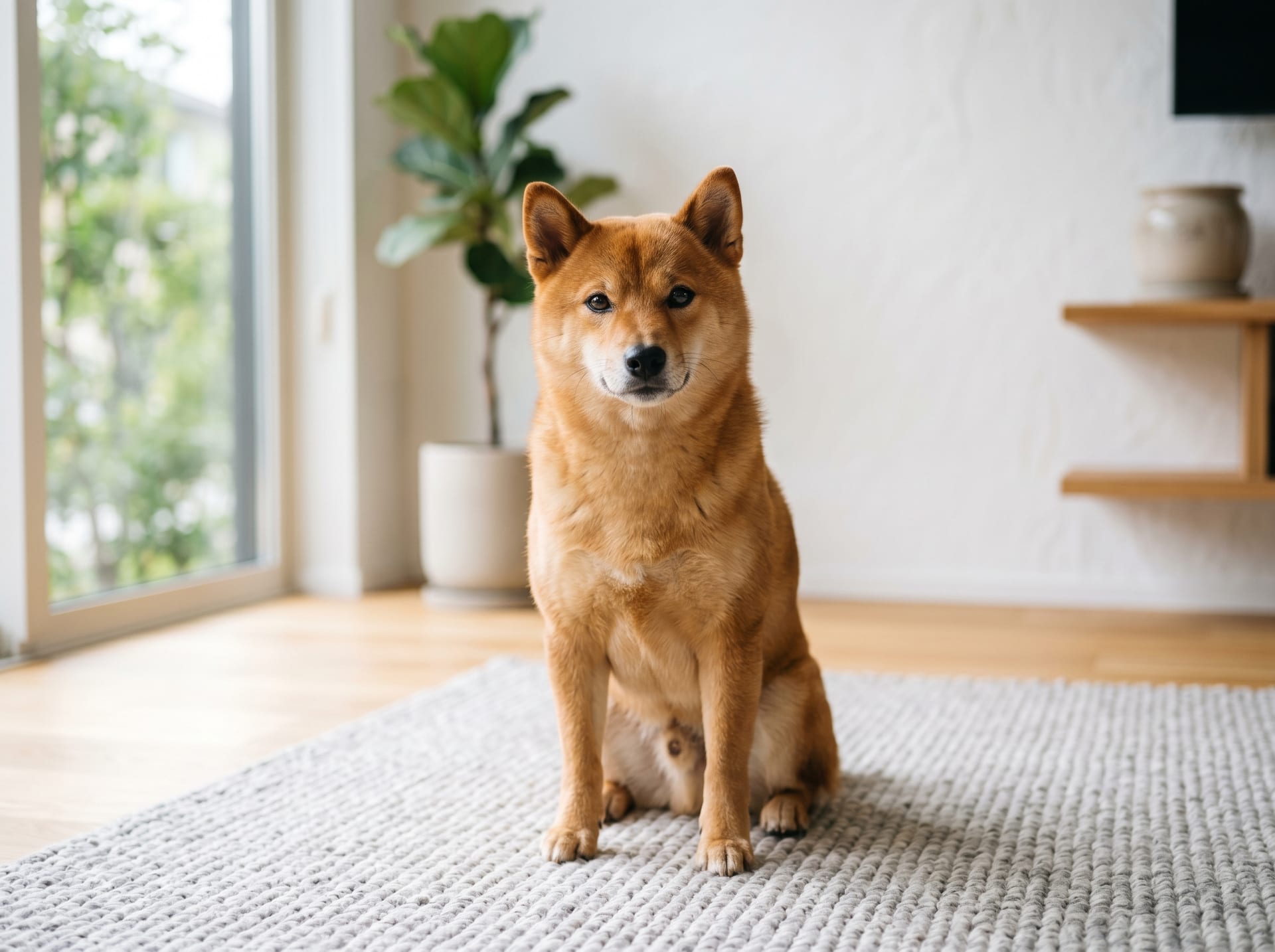
Mameshiba
A smaller version of the Shiba Inu. Retains the dignified character of Shiba in a compact, apartment-friendly size.
View Mameshiba encyclopedia →- Price Range
- ¥200,000〜¥548,000
0% commission on your first sales!Register by September 30, 2026 and your first 2 sales are commission-free!
Breeder Wanted!
List on BreederDirect and sell directly to customers nationwide!
4 Trust Pillars from BreederDirect
All puppy listings include full disclosure from verified Breeder. BreederDirect enforces legally-mandated standards for safe, transparent direct purchases.
- MicrochipRequired
- Vaccinated
- Health Exam
- Pedigree Certificate
※ Microchip implantation is mandatory for breeders under Japan's Animal Protection Law (effective June 2022).
Secure transaction guarantee
Dogs & cats onlyEvery BreederDirect transaction is covered by our transaction guarantee. If you cannot receive your pet, you will be fully refunded. A health guarantee also covers you after handover.
Learn about transaction safety →Browse all 129 breeds
Verified breeders wanted for Dogs
Breeders are signing up now ahead of launch. Subscribe to be notified when new listings go live.
Getting alerts is free with a member account. When new listings match your saved search, we'll notify you by email and in-app.
Browse other categories
Verified breeders (preview)
Mameshiba key facts
- Care level
- Intermediate
- Lifespan
- 12-15 years
- Size
- 4-6kg
- Diet
- Dry food, watch for obesity
- Temperament
- Loyal and brave, independent-minded
- Exercise
- 30+ minutes of daily walks
- Coat Care
- Double coat with heavy shedding during season changes
- Origin
- Japan
- Notes
- Size can vary; choose a reputable breeder
About Mameshiba
The name Mameshiba literally means "bean-sized Shiba," reflecting the compact stature achieved through generations of selective breeding within Japan. Retaining every hallmark of the classic Shiba Inu—curled tail, erect ears, and a wedge-shaped, fox-like face—the Mameshiba typically weighs just 3–4 kg in adulthood. While major Japanese kennel clubs such as the JKC classify it as a small individual of the Shiba Inu rather than a distinct breed, organisations such as the Mameshiba Preservation Society have established their own size standards. In character, these dogs are intelligent and devoted to their owners, yet fiercely independent—a quality that can make training both rewarding and challenging. Their relatively quiet temperament suits apartment living particularly well, earning them a loyal following among urban households. With consistent guidance and genuine affection, a Mameshiba grows into a spirited, steadfast companion for many years to come.
Featured breeders for Mameshiba
See all Mameshiba breeders (1) →7 things to know before welcoming a Mameshiba
1Not an officially recognized breed
Mame Shiba is not registered as a distinct breed by major kennel clubs such as the JKC, and is treated as a small-sized Shiba Inu. It is especially important to confirm the pedigree classification and expected adult size directly with the breeder.
2Verify the expected adult size
Some dogs labeled "Mame Shiba" may grow close to standard Shiba Inu size. Always ask the breeder for the weight and height of both parents and a realistic estimate of the puppy's adult size.
3Independent and sometimes stubborn
Mame Shibas inherit the Shiba's strong-willed nature and have a clear sense of their own preferences. Starting consistent training early helps build trust and shapes them into calm, well-mannered companions.
4Heavy shedding seasons
Mame Shibas shed heavily during spring and autumn coat changes. Despite their small size, the volume of shed fur is comparable to a standard Shiba, so plan for brushing several times a week and regular vacuuming.
5Watch for patellar luxation
Patellar luxation, common in small dogs, has also been reported in Mame Shibas. Reducing joint stress — for example by installing ramps or steps near furniture — is helpful. Regular veterinary check-ups are recommended.
6Needs more exercise than typical small dogs
Despite their small frame, Mame Shibas carry the energy level of a Shiba Inu. Two daily walks totaling 30–45 minutes, combined with indoor play and scent-based games, are effective for keeping them mentally and physically satisfied.
7Estimated costs to plan for
Mame Shiba puppies often range from approximately 300,000 to 600,000 yen due to their rarity, typically higher than standard Shiba Inus. Factor in annual costs for vaccines, food, grooming, and veterinary care when planning your long-term budget.
Frequently asked questions about Mameshiba
- Q.Can a Mameshiba be registered with the JKC?
- A.The JKC does not recognise the Mameshiba as a separate breed and treats it as a small-sized Shiba Inu individual. Some organisations, such as the Mameshiba Preservation Society, issue their own pedigree certificates, so ask the breeder about registration before purchase.
- Q.Are Mameshiba and Miniature Shiba different dogs?
- A.The terms are largely interchangeable and both typically refer to a small-sized Shiba Inu. However, definitions can vary between sellers, so it is important to confirm the expected adult weight and the build of the parent dogs before committing to a purchase.
- Q.Can Mameshiba live with children or other pets?
- A.With adequate socialisation, Mameshiba can live harmoniously with children and other pets, though their independent nature means adjustment can take time. Exposing puppies to a variety of people and animals from an early age is the most effective approach.
- Q.What is the lifespan and what health issues should I watch for?
- A.The Mameshiba's average lifespan is approximately 12–15 years. Common health concerns include allergic dermatitis and patellar luxation (loose kneecaps). Regular veterinary check-ups and keeping vaccinations up to date are key to a long, healthy life.
- Q.How much does a Mameshiba typically cost to purchase?
- A.Purchasing from a breeder generally costs between roughly 200,000 and 500,000 yen, with significant variation depending on pedigree, size, coat colour, and the breeder's reputation. Budget an additional 10,000–20,000 yen per month for ongoing care costs.
Useful tools for Mameshiba care
Learn more about Mameshiba in the encyclopedia
View Mameshiba encyclopedia entry →
Care difficulty, lifespan, size and diet — all basics covered.
More in this category
Can't find the one you're looking for?
Post your wishes for free and breeders with matching animals will contact you with introductions.