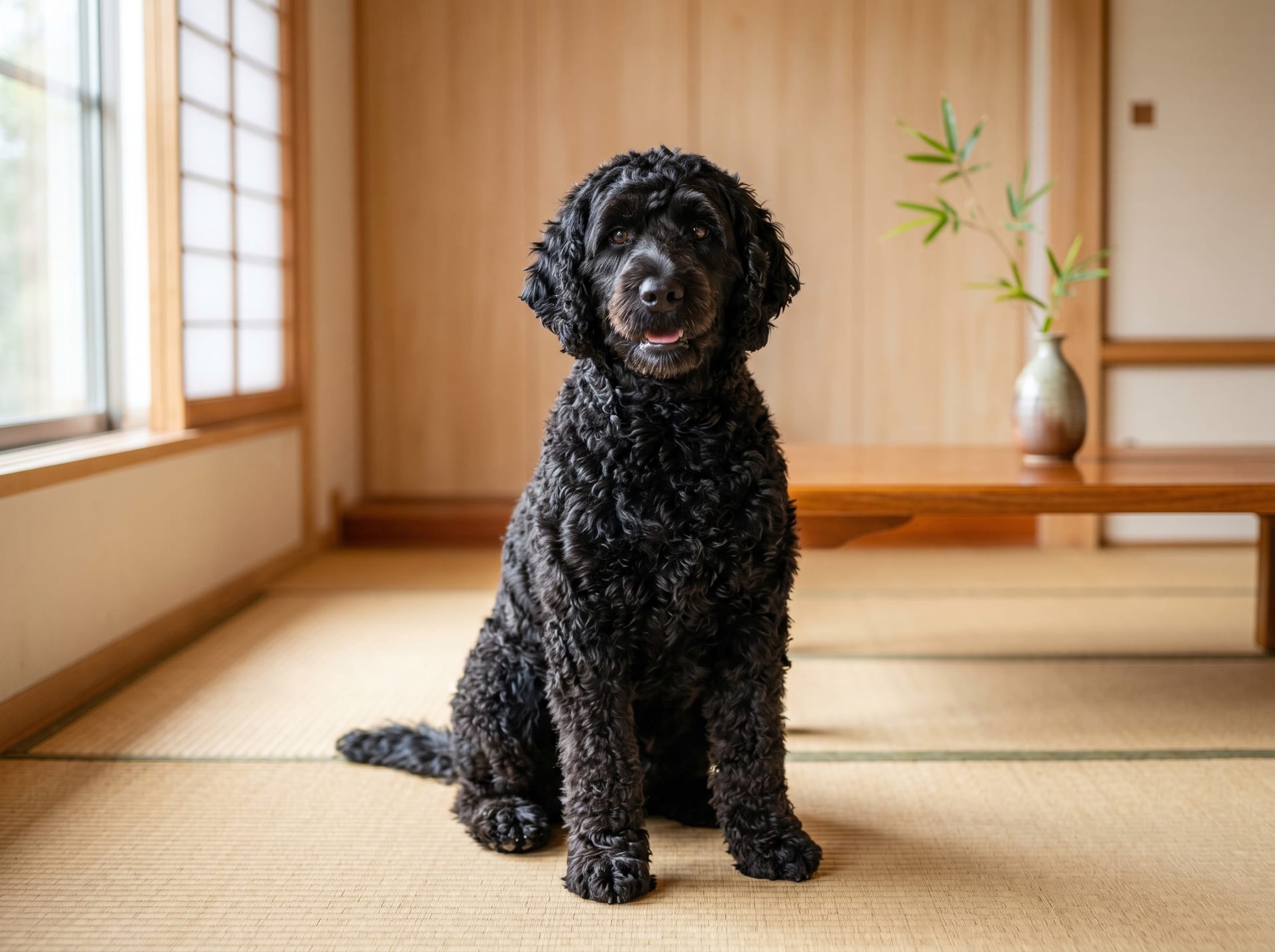
Portuguese Water Dog
Portuguese fishermen companion and expert swimmer. Famous as President Obama's pet.
View Portuguese Water Dog encyclopedia →- Price Range
- ¥200,000〜¥548,000
0% commission on your first sales!Register by September 30, 2026 and your first 2 sales are commission-free!
Breeder Wanted!
List on BreederDirect and sell directly to customers nationwide!
4 Trust Pillars from BreederDirect
All puppy listings include full disclosure from verified Breeder. BreederDirect enforces legally-mandated standards for safe, transparent direct purchases.
- MicrochipRequired
- Vaccinated
- Health Exam
- Pedigree Certificate
※ Microchip implantation is mandatory for breeders under Japan's Animal Protection Law (effective June 2022).
Secure transaction guarantee
Dogs & cats onlyEvery BreederDirect transaction is covered by our transaction guarantee. If you cannot receive your pet, you will be fully refunded. A health guarantee also covers you after handover.
Learn about transaction safety →Browse all 129 breeds
Verified breeders wanted for Dogs
Breeders are signing up now ahead of launch. Subscribe to be notified when new listings go live.
Getting alerts is free with a member account. When new listings match your saved search, we'll notify you by email and in-app.
Browse other categories
Verified breeders (preview)

Portuguese Water Dog key facts
- Care level
- Intermediate
- Lifespan
- 11-14 years
- Size
- 16-27kg
- Diet
- Dry food, adjust to activity level
- Temperament
- Intelligent, active, loves water
- Exercise
- 60+ minutes daily, swimming recommended
- Coat Care
- Curly/wavy coat, regular grooming needed
- Origin
- Portugal
- Notes
- Boredom can lead to destructive behavior
About Portuguese Water Dog
The Portuguese Water Dog traces its origins to the Algarve region of Portugal, where it served as an indispensable working partner for local fishermen. Tasks included retrieving fishing gear, carrying messages between boats, and herding fish into nets — roles that demanded stamina, swimming ability, and sharp intelligence. By the early twentieth century the breed had dwindled to near extinction, but dedicated breed enthusiasts orchestrated a revival, and today the dog is appreciated worldwide as a devoted companion. The coat — either tightly curled or loosely wavy — is water-resistant and low-shedding, typically appearing in solid black, brown, or white, or in black-and-white combinations. Medium-sized and athletic in build, the breed possesses the powerful hindquarters needed for strong, sustained swimming. In temperament it is lively, curious, and deeply loyal, combining high trainability with a genuine enthusiasm for human company. Its need for substantial daily exercise makes it an especially rewarding match for active families who enjoy outdoor adventures.
7 things to know before welcoming a Portuguese Water Dog
1High Exercise Needs
Bred for long days of work at sea, this breed requires around 1–2 hours of vigorous daily exercise. Walks alone are often insufficient; swimming, fetch, and dog sports are excellent outlets. Insufficient activity can lead to stress and destructive behavior.
2Natural-Born Swimmer
Webbed feet and a powerful build make this breed a natural in the water. Many individuals eagerly take to swimming when given safe access. It also serves as a low-impact exercise option that is easy on joints.
3Regular Grooming Required
The curly or wavy coat grows continuously and requires regular brushing and professional trimming, typically every 2–3 months. While shedding is minimal, mats can form if grooming is neglected, so consistent home care is important.
4Intelligent and Trainable
With a history of learning complex commands from fishermen, this breed is highly intelligent and responds well to positive reinforcement training. Starting basic obedience early yields good results. Mental stimulation through training and puzzle activities helps prevent boredom-related behaviors.
5Sociable Temperament
Generally friendly with family members, strangers, and children, this breed tends to be outgoing and playful. However, its energy may be overwhelming for very young children, so supervised interactions are advisable. Early socialization helps develop calm and confident behavior around people and other dogs.
6Health Considerations
Generally a hardy breed, but conditions such as progressive retinal atrophy (PRA) and hip dysplasia have been reported. When acquiring from a breeder, asking for health screening results of the parent dogs is advisable. Regular veterinary checkups and maintaining a healthy weight support longevity.
7Estimated Ownership Costs
Monthly food costs for an adult weighing 16–27 kg typically range from around 5,000–10,000 yen. Professional grooming adds several tens of thousands of yen per year. Including pet insurance and routine veterinary care, annual ownership costs commonly reach 200,000–400,000 yen.
Frequently asked questions about Portuguese Water Dog
- Q.Does this breed shed much, and is it suitable for allergy sufferers?
- A.The breed is considered low-shedding and is often described as more suitable for allergy-prone individuals than many other breeds. That said, no dog is truly hypoallergenic, and reactions vary by person. Spending time with the breed before committing is the most reliable way to assess your individual tolerance.
- Q.Can this breed live comfortably in an apartment?
- A.Apartment living can work if exercise needs are consistently met, but this breed's high activity level makes it better suited to homes with outdoor access or proximity to parks and water. Managing vocalization and committing to daily vigorous exercise are the key factors for successful apartment ownership.
- Q.How does this breed get along with children and other pets?
- A.This breed generally gets on well with children and other dogs. Adult supervision is always recommended when young children interact with any dog, and early socialization greatly improves the odds of harmonious coexistence. Introductions to cats or small animals should be gradual and carefully managed, as individual temperament varies.
- Q.How often does this breed need grooming?
- A.Brushing at home several times a week is recommended to prevent matting. Professional grooming is typically needed every two to three months; the two traditional clip styles for the breed are the lion cut and the retriever cut. Regular ear cleaning and nail trimming are also part of routine maintenance.
- Q.Is this breed suitable for first-time dog owners?
- A.The breed's intelligence and willingness to learn make it manageable for first-time owners in terms of training. However, its high exercise requirements and grooming demands call for a meaningful time and energy commitment. Enrolling in a training class and seeking guidance from experienced owners can make the journey rewarding even for beginners.
Useful tools for Portuguese Water Dog care
Learn more about Portuguese Water Dog in the encyclopedia
View Portuguese Water Dog encyclopedia entry →
Care difficulty, lifespan, size and diet — all basics covered.
More in this category
Can't find the one you're looking for?
Post your wishes for free and breeders with matching animals will contact you with introductions.