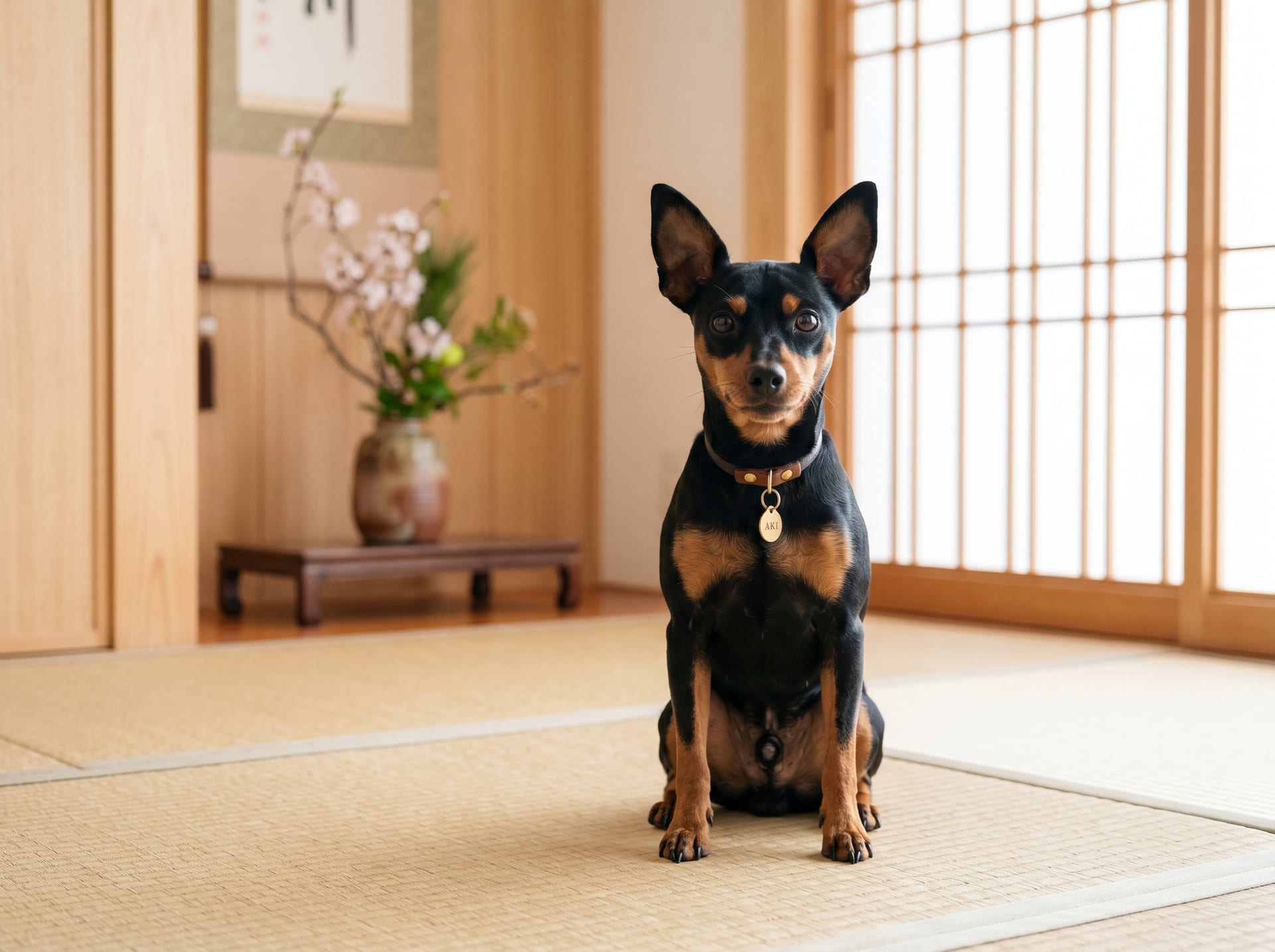
Miniature Pinscher
An energetic breed packed with spirit. Known as the King of Toys with a distinctive proud, hackney-like gait.
View Miniature Pinscher encyclopedia →- Price Range
- ¥200,000〜¥548,000
0% commission on your first sales!Register by September 30, 2026 and your first 2 sales are commission-free!
Breeder Wanted!
List on BreederDirect and sell directly to customers nationwide!
4 Trust Pillars from BreederDirect
All puppy listings include full disclosure from verified Breeder. BreederDirect enforces legally-mandated standards for safe, transparent direct purchases.
- MicrochipRequired
- Vaccinated
- Health Exam
- Pedigree Certificate
※ Microchip implantation is mandatory for breeders under Japan's Animal Protection Law (effective June 2022).
Secure transaction guarantee
Dogs & cats onlyEvery BreederDirect transaction is covered by our transaction guarantee. If you cannot receive your pet, you will be fully refunded. A health guarantee also covers you after handover.
Learn about transaction safety →Browse all 129 breeds
Verified breeders wanted for Dogs
Breeders are signing up now ahead of launch. Subscribe to be notified when new listings go live.
Getting alerts is free with a member account. When new listings match your saved search, we'll notify you by email and in-app.
Browse other categories
Verified breeders (preview)
Miniature Pinscher key facts
- Care level
- Intermediate
- Lifespan
- 12-16 years
- Size
- 3.5-5kg
- Diet
- Dry food, high protein recommended
- Temperament
- Active, brave, curious and playful
- Exercise
- 30+ minutes daily walks, active indoors too
- Coat Care
- Short coat, easy care, weekly brushing
- Origin
- Germany
- Notes
- Escape artist, sensitive to cold
About Miniature Pinscher
The Miniature Pinscher is a German toy breed with a proud history of its own—often mistaken for a miniature Doberman, it was actually developed independently through crosses that likely included the German Pinscher and Dachshund. Working as a ratter on farms in the 19th century, the breed developed sharp instincts, courage, and agility. Standing 25–30 cm tall, the Min Pin has a smooth, short coat in shades of red, black and tan, or chocolate and tan. Its most distinctive trait is the "hackney gait," a high-stepping front-leg action that gives it a remarkably commanding presence for such a small dog. In temperament, Min Pins are bold, curious, and deeply affectionate with their families, though they are also independent and easily bored. With consistent training, daily exercise, and plenty of mental stimulation, they make spirited, rewarding companions for owners who appreciate a dog with a big personality in a compact frame.
7 things to know before welcoming a Miniature Pinscher
1Higher Exercise Needs
Despite their small size, Min Pins need substantial daily exercise—around 30 to 60 minutes of walks plus indoor play. Without enough activity, they tend to develop nuisance behaviors such as excessive barking or destructive chewing.
2Escape and Fall Risks
Min Pins are agile and curious, making them prone to jumping fences or squeezing through gaps. Indoors, leaping from furniture can cause fractures, so providing ramps or low-profile furniture and securing outdoor areas is essential.
3Sensitive to Cold
With their short coat and lean build, Min Pins have little natural insulation against cold. In winter, keeping indoor temperatures comfortable and using a dog coat during outdoor walks is advisable, especially for puppies and senior dogs.
4Strong-Willed and Independent
Highly intelligent but strong-willed, Min Pins can be stubborn if training is inconsistent. Positive reinforcement started early in puppyhood works best. Allowing too much leeway can lead to the dog testing boundaries regularly.
5Watch for Patellar Luxation
Patellar luxation is a common concern in the breed. Watch for skipping steps or holding up a hind leg during walks. Early veterinary assessment and maintaining a healthy weight can help manage and reduce the risk.
6Tendency to Bark
Min Pins are naturally alert and can be vocal when they sense strangers or unfamiliar sounds. For apartment living, teaching a reliable "quiet" cue from an early age is particularly important to keep neighbors comfortable.
7Expected Costs
Purchase prices from breeders typically range from roughly 200,000 to 400,000 yen. Monthly ongoing costs—food, routine vet visits, and basic grooming (which owners can often do at home)—generally run 10,000 to 20,000 yen. Pet insurance is worth considering given potential orthopedic care costs.
Frequently asked questions about Miniature Pinscher
- Q.Is the Miniature Pinscher suitable for first-time dog owners?
- A.It is possible for first-time owners, but Min Pins can be strong-willed and stubborn, making training a bit challenging. With patience, consistency, and a willingness to understand the breed's needs, first-time owners can succeed.
- Q.Can Min Pins live comfortably in an apartment?
- A.Yes, with adequate exercise and bark management, Min Pins can adapt well to apartment life. Early socialization and training are especially important in shared-wall living situations.
- Q.What is the average lifespan of a Miniature Pinscher?
- A.Min Pins typically live 12–15 years, placing them among the longer-lived toy breeds. A balanced diet, regular exercise, and routine veterinary care are key factors in supporting a long, healthy life.
- Q.How much grooming does a Miniature Pinscher need?
- A.Their short coat requires only light brushing once or twice a week. Bathing once or twice a month is generally sufficient, while nail trimming and dental care should be done on a regular basis.
Useful tools for Miniature Pinscher care
Learn more about Miniature Pinscher in the encyclopedia
View Miniature Pinscher encyclopedia entry →
Care difficulty, lifespan, size and diet — all basics covered.
More in this category
Can't find the one you're looking for?
Post your wishes for free and breeders with matching animals will contact you with introductions.