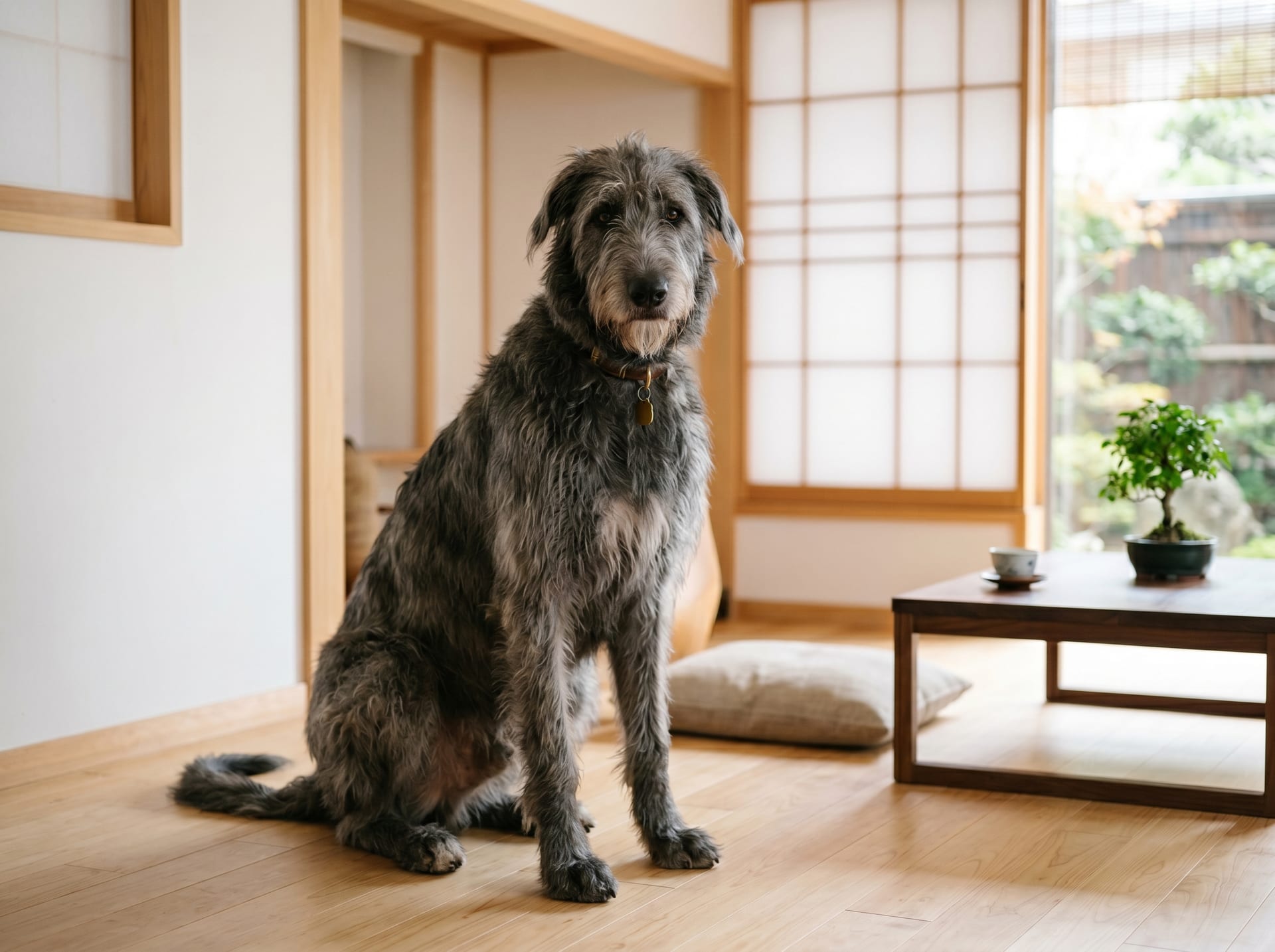
Irish Wolfhound
One of the tallest dog breeds. Despite massive size, has a gentle and noble temperament.
View Irish Wolfhound encyclopedia →- Price Range
- ¥200,000〜¥548,000
0% commission on your first sales!Register by September 30, 2026 and your first 2 sales are commission-free!
Breeder Wanted!
List on BreederDirect and sell directly to customers nationwide!
4 Trust Pillars from BreederDirect
All puppy listings include full disclosure from verified Breeder. BreederDirect enforces legally-mandated standards for safe, transparent direct purchases.
- MicrochipRequired
- Vaccinated
- Health Exam
- Pedigree Certificate
※ Microchip implantation is mandatory for breeders under Japan's Animal Protection Law (effective June 2022).
Secure transaction guarantee
Dogs & cats onlyEvery BreederDirect transaction is covered by our transaction guarantee. If you cannot receive your pet, you will be fully refunded. A health guarantee also covers you after handover.
Learn about transaction safety →Browse all 129 breeds
Verified breeders wanted for Dogs
Breeders are signing up now ahead of launch. Subscribe to be notified when new listings go live.
Getting alerts is free with a member account. When new listings match your saved search, we'll notify you by email and in-app.
Browse other categories
Verified breeders (preview)

Irish Wolfhound key facts
- Care level
- Advanced
- Lifespan
- 6-10 years
- Size
- Height 75-90cm / Weight 45-85kg
- Diet
- Giant-breed food, twice daily
- Temperament
- Gentle, noble, family-oriented
- Exercise
- 1+ hour daily, spacious environment required
- Coat Care
- Wiry coat, brush 1-2x weekly
- Origin
- Ireland
About Irish Wolfhound
The Irish Wolfhound is a giant sighthound originating in Ireland, with a history stretching back to the era of the Celts. Once prized for hunting wolves and the now-extinct Irish elk, it was a coveted gift among Irish royalty and nobility. The breed nearly vanished in the 19th century but was revived through the dedicated efforts of British officer George Graham, whose breeding program shaped the modern Irish Wolfhound. Physically, this breed is muscular and imposing, covered in a rough, wiry coat, with males often standing well over 79 cm at the shoulder. Despite this commanding presence, the Irish Wolfhound is famously gentle, calm, and deeply affectionate with family — earning the nickname "gentle giant." Exercise needs are moderate compared to other giant breeds, and they can be quite content indoors. However, prospective owners should be fully aware of the breed's shorter lifespan and predisposition to certain health conditions before making the commitment.
7 things to know before welcoming a Irish Wolfhound
1Exceptionally Large Size
Adult males stand at least 79 cm tall and can weigh between 50 and 70 kg. Your entire living space — including doorways, hallways, and vehicle size — needs to be reconsidered with a giant breed in mind. Many standard large-dog products may not fit, so always check dimensions before purchasing.
2Shorter Lifespan to Expect
Irish Wolfhounds have an average lifespan of just 6 to 8 years, which is notably shorter than most breeds. It's important to emotionally prepare for this reality before bringing one home. That said, the deep bond formed during those years is profoundly meaningful for most owners.
3Heart Disease Risk
Dilated cardiomyopathy (DCM) is a hereditary heart condition commonly seen in Irish Wolfhounds and can be a cause of sudden death. Regular cardiac screenings, including echocardiograms, are strongly recommended in consultation with your veterinarian. When acquiring a puppy, always ask the breeder for health clearances on the parents.
4Space for Exercise
While they don't require intense exercise, a leisurely daily walk of 30 to 60 minutes is ideal. A spacious yard is a bonus, but apartment living can work with a consistent walking routine. Avoid strenuous exercise during puppyhood, as it can negatively affect skeletal development in this large breed.
5High Ongoing Costs
Food costs alone can be three to five times more than smaller breeds, often exceeding 10,000 yen per month. Veterinary care, grooming, bedding, and supplies all come at a premium for giant-sized dogs. Calculate lifetime expenses in advance and ensure you're financially prepared before committing.
6Gentle but Poor Guard Dog
Despite their imposing size, Irish Wolfhounds are extremely gentle and sociable with very little aggression. They tend to greet strangers warmly, making them poor candidates for guard dog duties. They're also relatively quiet indoors, often content to settle calmly beside their family.
7Early Training Is Essential
Since adults can exceed 50 kg, correcting leash-pulling and jumping habits during puppyhood is essential for safety. They are intelligent and trainable, but their independent nature means patient, consistent positive reinforcement works best. Early and broad socialization with people and other animals is also highly recommended.
Frequently asked questions about Irish Wolfhound
- Q.Can Irish Wolfhounds live in an apartment?
- A.Apartment living is possible if a consistent daily walking routine is maintained. However, their large size requires careful consideration of indoor space and layout. On the positive side, they tend to be quiet dogs, which suits apartment living reasonably well.
- Q.Do they get along with children and other pets?
- A.Their gentle temperament makes them generally friendly with children and other pets. That said, due to their sheer size, adult supervision during interactions with small children is important to prevent accidental knocks or falls. Early socialization helps ensure a well-adjusted adult dog.
- Q.How much does it cost to feed an Irish Wolfhound?
- A.An adult weighing over 50 kg requires roughly 1.5 to 2 times the daily food intake of a typical large breed. Depending on the food type, budgeting around 10,000 to 20,000 yen per month is a reasonable estimate. Consult your veterinarian for guidance on balanced nutrition for giant breeds.
- Q.Is it true that Irish Wolfhounds have a short lifespan?
- A.Yes, the average lifespan is approximately 6 to 8 years, making it one of the shorter-lived breeds. Health issues such as heart disease and osteosarcoma are believed to contribute to this. It's important to fully understand and accept this before deciding to bring one into your home.
- Q.How much grooming does an Irish Wolfhound need?
- A.Their rough, wiry coat sheds relatively little, and weekly brushing one to two times is generally sufficient to keep it tidy. However, grooming a dog of this size does require time and physical effort. Incorporating regular visits to a professional groomer can make maintenance more manageable.
Useful tools for Irish Wolfhound care
Learn more about Irish Wolfhound in the encyclopedia
View Irish Wolfhound encyclopedia entry →
Care difficulty, lifespan, size and diet — all basics covered.
More in this category
Can't find the one you're looking for?
Post your wishes for free and breeders with matching animals will contact you with introductions.