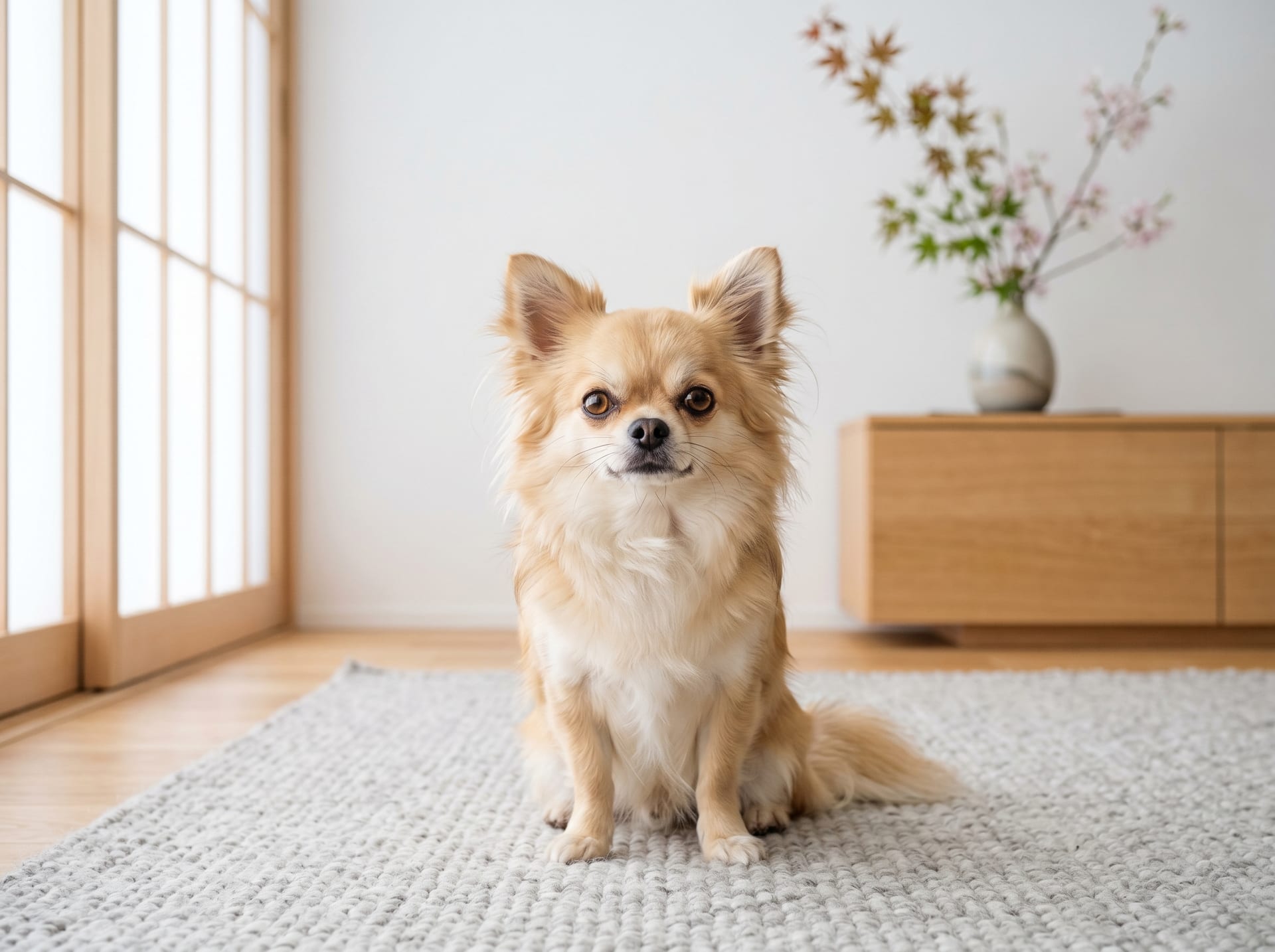
Long Coat Chihuahua
The Long Coat Chihuahua is one of the world's smallest dog breeds, beloved for its bold, expressive personality and silky flowing coat. Its soft, fine fur adds an extra layer of charm and requires regular grooming to stay at its best. Well-suited to indoor living, this breed adapts easily to a wide range of households, from singles to families.
View Long Coat Chihuahua encyclopedia →- Price Range
- ¥200,000〜¥548,000
0% commission on your first sales!Register by September 30, 2026 and your first 2 sales are commission-free!
Breeder Wanted!
List on BreederDirect and sell directly to customers nationwide!
4 Trust Pillars from BreederDirect
All puppy listings include full disclosure from verified Breeder. BreederDirect enforces legally-mandated standards for safe, transparent direct purchases.
- MicrochipRequired
- Vaccinated
- Health Exam
- Pedigree Certificate
※ Microchip implantation is mandatory for breeders under Japan's Animal Protection Law (effective June 2022).
Secure transaction guarantee
Dogs & cats onlyEvery BreederDirect transaction is covered by our transaction guarantee. If you cannot receive your pet, you will be fully refunded. A health guarantee also covers you after handover.
Learn about transaction safety →Browse all 129 breeds
Verified breeders wanted for Dogs
Breeders are signing up now ahead of launch. Subscribe to be notified when new listings go live.
Getting alerts is free with a member account. When new listings match your saved search, we'll notify you by email and in-app.
Browse other categories
Verified breeders (preview)

About Long Coat Chihuahua
The Long Coat Chihuahua originates from the Chihuahua state of Mexico and became widely known after being introduced to the United States in the late 19th century. One of two coat varieties, it is distinguished by its silky, flowing long coat and the soft feathering around the ears and neck. Typically weighing between 1.5 and 3 kg, it features a rounded apple-shaped head, large expressive eyes, and soft ears that give it an unmistakably charming appearance. In temperament, the Long Coat Chihuahua is curious, lively, and deeply devoted to its owner, though it can be wary of strangers and may show a possessive streak. Despite its small frame, it does have exercise needs that can be met with short indoor play sessions and daily walks. The long coat requires consistent grooming, but the reward is a beautifully soft and elegant-looking companion that brings daily joy to those who appreciate its unique appeal.
Featured breeders for Long Coat Chihuahua
See all Long Coat Chihuahua breeders (1) →7 things to know before welcoming a Long Coat Chihuahua
1Regular Coat Care Needed
The long, silky coat is prone to tangles and requires brushing several times a week. Pay extra attention to areas behind the ears, under the legs, and around the paws where mats tend to form. Regular trimming can help keep the coat manageable.
2Sensitive to Cold
Chihuahuas have little body mass to retain heat, making them vulnerable to cold temperatures and air-conditioned rooms. While the long coat offers slightly more insulation than the smooth variety, sudden temperature changes can still be a concern. Doggy clothing and warm bedding are practical solutions.
3Fragile Bones, Prevent Falls
Their tiny frames make Chihuahuas susceptible to fractures from falls off furniture or out of arms. Use ramps or pet steps near sofas and beds, and discourage jumping habits from an early age. Extra care is needed when children handle them.
4Tracheal Collapse Risk
Small breeds including Chihuahuas are prone to tracheal collapse, a condition where the windpipe weakens over time. Using a harness instead of a collar reduces pressure on the neck. If you notice persistent coughing or wheezing, consult a veterinarian promptly.
5Forms Strong Bonds with One Person
Chihuahuas tend to bond intensely with one person and can be fiercely loyal and affectionate toward them. However, they may be wary of strangers and unfamiliar dogs, so early socialization is important. Take time to carefully introduce them to new people and pets, especially in busy households.
6Watch for Hypoglycemia
Puppies especially are at risk of hypoglycemia due to their small size and limited ability to store blood sugar. Feeding small meals three to four times a day is recommended. If your dog appears lethargic or is trembling, seek veterinary attention immediately.
7Vocal and Alert by Nature
Chihuahuas are naturally alert and tend to bark at noises and strangers. Training to manage excessive barking is best started in puppyhood, especially for apartment living. Avoid reinforcing barking with attention; consistent, calm responses work best.
Frequently asked questions about Long Coat Chihuahua
- Q.How much exercise does a Long Coat Chihuahua need?
- A.A daily walk of around 15–30 minutes combined with light indoor play is generally sufficient. Because of their small size, long walks can be tiring, so keep the pace comfortable. On cold or rainy days, indoor play can serve as a substitute.
- Q.Is there any difference between Long Coat and Smooth Coat besides fur?
- A.The fundamental temperament and body structure are the same; the main difference is coat length and the grooming it requires. The long coat needs more frequent brushing and occasional trimming. Both coat types are registered under the same breed standard.
- Q.Is a Long Coat Chihuahua suitable for someone living alone?
- A.Chihuahuas are well-suited to single-person households due to their small size and moderate exercise needs. However, they can be prone to separation anxiety if left alone for long periods, so gradual acclimatization is important. Regular interaction and affection contribute greatly to their emotional well-being.
- Q.What health issues are Long Coat Chihuahuas prone to?
- A.Common health concerns include dental disease, patellar luxation (slipped kneecap), and hydrocephalus. Regular veterinary check-ups and daily health monitoring are key to early detection. When acquiring from a breeder, it's advisable to confirm the puppy's health history and lineage.
- Q.Is it difficult to train a Long Coat Chihuahua?
- A.Chihuahuas are intelligent and capable learners, but they can be stubborn, so patience is important. Positive reinforcement training tends to be more effective than punishment-based approaches, and starting early in puppyhood leads to faster results. Consistent routines are especially helpful for toilet training.
Useful tools for Long Coat Chihuahua care
Learn more about Long Coat Chihuahua in the encyclopedia
View Long Coat Chihuahua encyclopedia entry →
Care difficulty, lifespan, size and diet — all basics covered.
More in this category
Can't find the one you're looking for?
Post your wishes for free and breeders with matching animals will contact you with introductions.