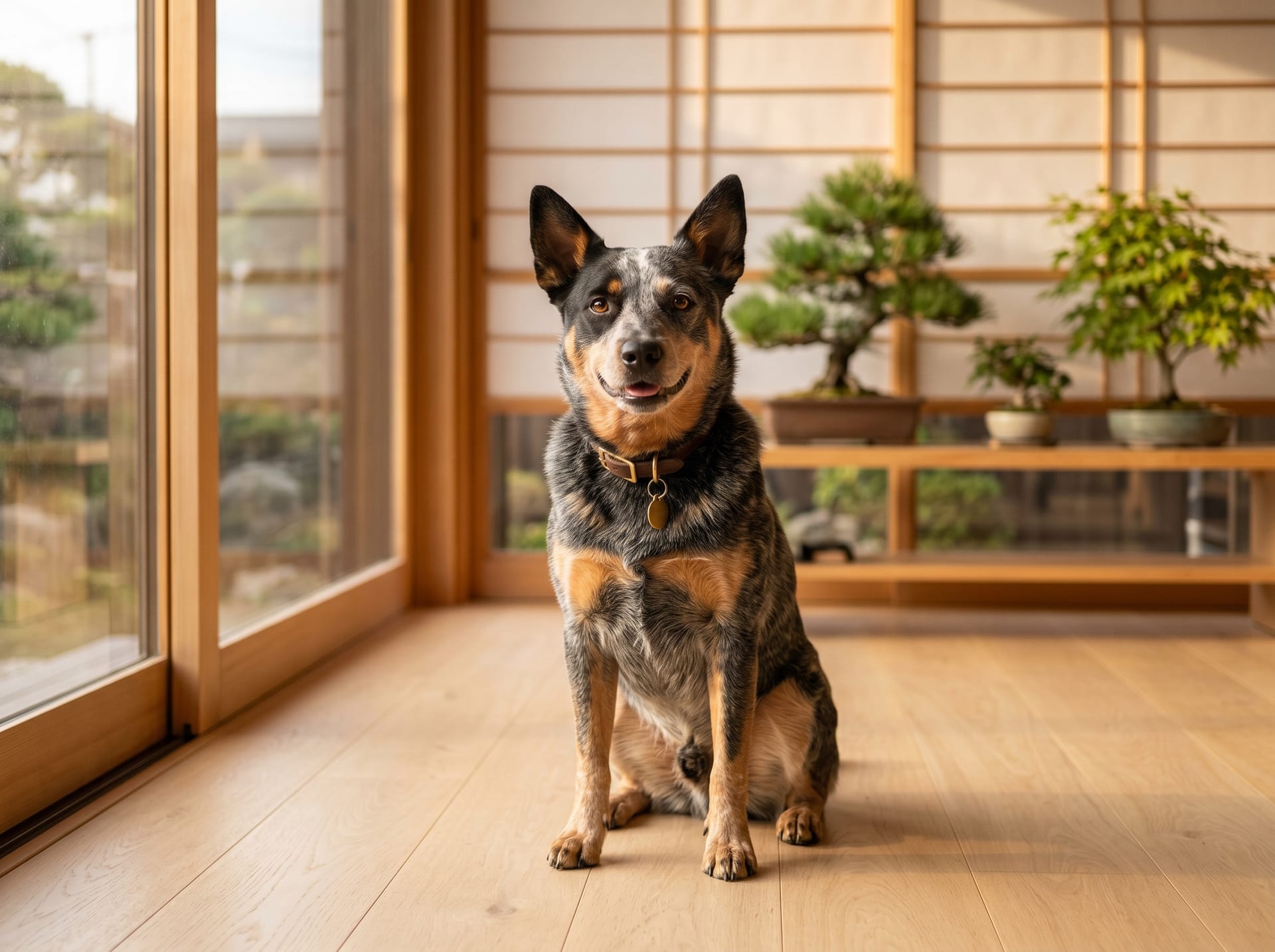
Australian Cattle Dog
Australian cattle herding dog. Extremely tough, intelligent, suited for active lifestyle owners.
View Australian Cattle Dog encyclopedia →- Price Range
- ¥200,000〜¥548,000
0% commission on your first sales!Register by September 30, 2026 and your first 2 sales are commission-free!
Breeder Wanted!
List on BreederDirect and sell directly to customers nationwide!
4 Trust Pillars from BreederDirect
All puppy listings include full disclosure from verified Breeder. BreederDirect enforces legally-mandated standards for safe, transparent direct purchases.
- MicrochipRequired
- Vaccinated
- Health Exam
- Pedigree Certificate
※ Microchip implantation is mandatory for breeders under Japan's Animal Protection Law (effective June 2022).
Secure transaction guarantee
Dogs & cats onlyEvery BreederDirect transaction is covered by our transaction guarantee. If you cannot receive your pet, you will be fully refunded. A health guarantee also covers you after handover.
Learn about transaction safety →Browse all 129 breeds
Verified breeders wanted for Dogs
Breeders are signing up now ahead of launch. Subscribe to be notified when new listings go live.
Getting alerts is free with a member account. When new listings match your saved search, we'll notify you by email and in-app.
Browse other categories
Verified breeders (preview)

Australian Cattle Dog key facts
- Care level
- Advanced
- Lifespan
- 12-16 years
- Size
- 15-22kg
- Diet
- High-protein food, adjust to activity level
- Temperament
- Smart, loyal, and energetic
- Exercise
- 90+ minutes daily exercise essential
- Coat Care
- Double coat, brush 1-2 times weekly
- Origin
- Australia
- Notes
- Behavioral issues if bored, watch for nipping tendency
About Australian Cattle Dog
The Australian Cattle Dog was developed in 19th-century Australia to handle cattle across vast, rugged outback terrain where softer breeds could not cope. The breed was shaped through crosses involving Dingoes, Dalmatians, and Black and Tan Kelpies, among others, gradually producing the resilient working dog known today. Medium in build but solid and muscular, they are easily recognized by their distinctive blue-mottled or red-speckled coat patterns, erect ears, and alert, watchful expression. In terms of temperament, they are courageous, obedient, and remarkably self-reliant — qualities essential for independent herding work far from human supervision. At the same time, they form deep bonds with their primary caregiver, often becoming inseparable companions. For active, engaged owners willing to meet their high exercise and mental stimulation requirements, the Australian Cattle Dog offers unmatched loyalty and a partnership built on mutual trust and shared adventure.
7 things to know before welcoming a Australian Cattle Dog
1Extreme Exercise Needs
This breed requires 1–2+ hours of vigorous daily exercise and is rarely satisfied with leash walks alone. Activities that challenge both body and mind—such as agility, herding sports, or long trail hikes—are ideal. Insufficient exercise can lead to stress-related behavioral issues.
2Herding Instinct Is Strong
The breed's natural "heeling" instinct—nipping at heels to move livestock—can be directed toward children or other pets. Early socialization and consistent training can manage this behavior, but the instinct remains. Households with young children should supervise interactions carefully.
3High Intelligence Demands Training
Highly intelligent, this dog learns commands quickly but may invent its own "jobs" when bored, leading to destructive behavior. Consistent, positive-reinforcement-based training from puppyhood is essential. Owners who enjoy training and mental enrichment activities will find this breed exceptionally rewarding.
4Deeply Loyal to One Person
While capable of bonding with a whole family, ACDs often form an especially strong attachment to one person. They tend to be reserved or wary around strangers and unfamiliar dogs, making them natural watchdogs. Inadequate socialization can lead to fear or aggression, so broad early exposure is important.
5Low-Maintenance Coat
The short, dense double coat requires only 1–2 brushings per week under normal circumstances. During the two annual shedding seasons, more frequent brushing helps manage the increased hair loss. Professional grooming visits are rarely needed, keeping coat-care costs relatively low.
6Know the Hereditary Conditions
Progressive retinal atrophy (PRA), congenital deafness, and hip dysplasia are hereditary conditions seen with some frequency in this breed. When selecting a breeder, ask about genetic testing and health screening practices. Regular veterinary check-ups help catch any emerging issues early.
7Nutrition for an Active Body
A diet with high-quality animal protein as the primary ingredient supports this breed's active lifestyle. Adult weight ranges from 15–22 kg, and portion sizes should be adjusted according to daily activity level. Obesity increases stress on joints, so regular body condition checks and weight management are recommended.
Frequently asked questions about Australian Cattle Dog
- Q.Is this breed suitable for first-time dog owners?
- A.The Australian Cattle Dog is generally considered a challenging breed for first-time owners due to its high energy, strong instincts, and need for consistent training. That said, first-timers who are committed, research-oriented, and willing to invest in professional training can still succeed. Partnering with an experienced breeder or trainer from the start is highly recommended.
- Q.Can they live comfortably in an apartment?
- A.Apartment living is possible but requires significant commitment to meeting the breed's exercise needs outside the home. Daily access to open spaces, parks, or dog runs for at least two hours of vigorous activity is essential. Ultimately, lifestyle compatibility matters more than the size of the living space.
- Q.Can they live with other dogs or cats?
- A.With proper socialization and a gradual introduction process, Australian Cattle Dogs can coexist with other dogs and cats. However, their herding instinct may cause them to chase smaller animals, so supervised interactions are important, especially early on. Early socialization significantly improves their adaptability to multi-pet households.
- Q.How much grooming does this breed require?
- A.The Australian Cattle Dog has a dense double coat that sheds moderately year-round and more heavily during seasonal coat blows, typically twice a year. Weekly brushing one to two times is generally sufficient outside of shedding periods. Overall grooming maintenance is moderate and more manageable than many long-coated breeds.
- Q.Are they good with children?
- A.Australian Cattle Dogs can form strong bonds with children, but supervision is always recommended due to their instinct to nip at heels, which can startle or knock over small children. Teaching children how to interact respectfully with dogs is equally as important as training the dog itself. Dogs raised alongside children from puppyhood tend to adjust more readily.
Useful tools for Australian Cattle Dog care
Learn more about Australian Cattle Dog in the encyclopedia
View Australian Cattle Dog encyclopedia entry →
Care difficulty, lifespan, size and diet — all basics covered.
More in this category
Can't find the one you're looking for?
Post your wishes for free and breeders with matching animals will contact you with introductions.