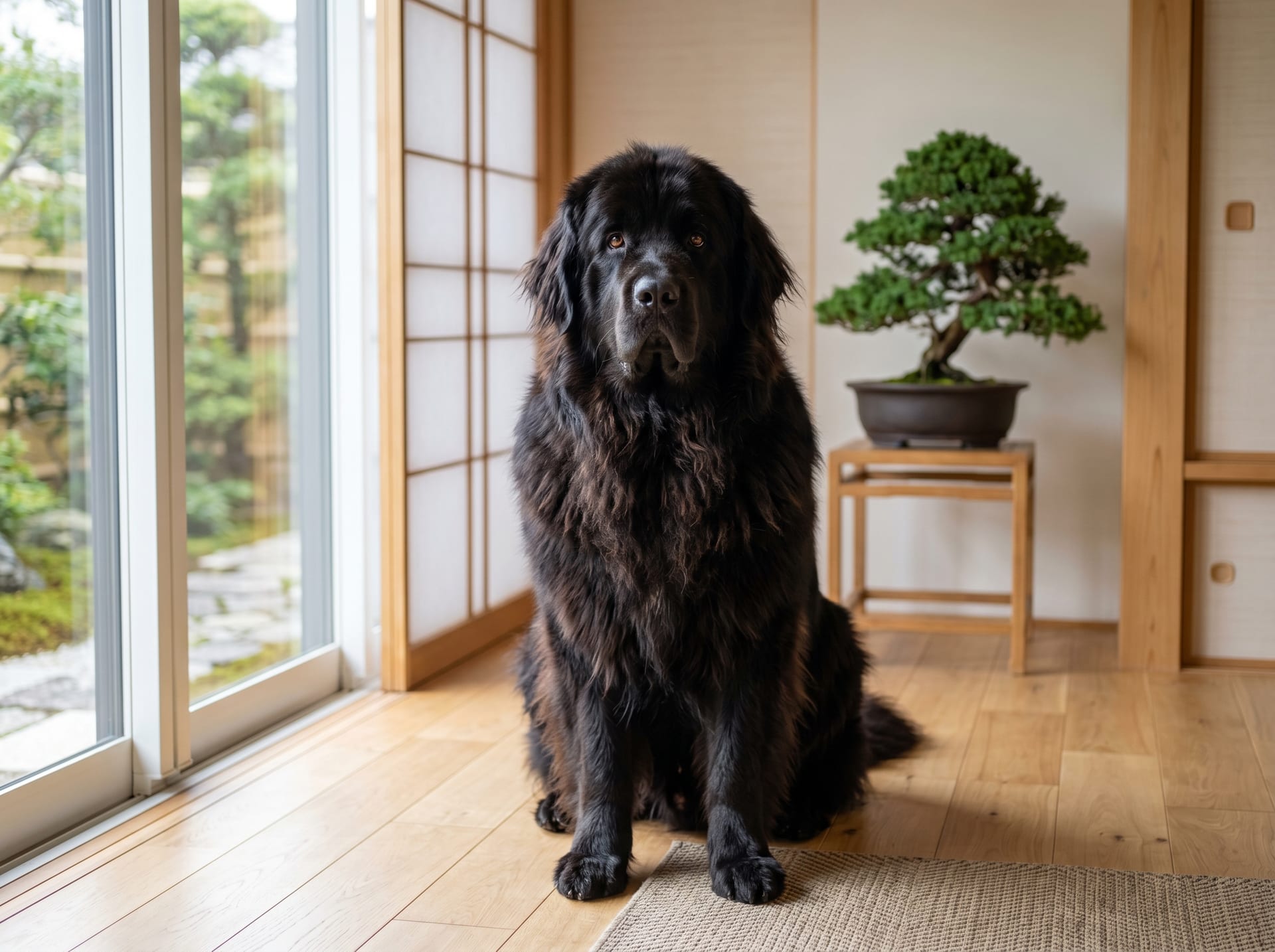
Gentle giant. Exceptional swimmer with rescue heritage. Especially gentle with children.
View Newfoundland encyclopedia →First 3 sales - 0% commission!Register as a breeder by July 31, 2026 and your first 3 sales are commission-free!
Breeder Wanted!
List on BreederDirect and sell directly to customers nationwide!
All puppy listings include full disclosure from verified Breeder. br-choku enforces legally-mandated standards for safe, transparent direct purchases.
※ Microchip implantation is mandatory for breeders under Japan's Animal Protection Law (effective June 2022).
Every br-choku transaction is covered by our transaction guarantee. If you cannot receive your pet, you will be fully refunded. A health guarantee also covers you after handover.
Breeders are signing up now ahead of launch. Subscribe to be notified when new listings go live.
Getting alerts is free with a member account. When new listings match your saved search, we'll notify you by email and in-app.
Are you raising dogs?
Register as a breeder and connect with buyers directly.

The Newfoundland originated on the island of Newfoundland, Canada, where it was bred as a working dog for fishermen and a water rescue companion. Its webbed feet and dense, water-resistant double coat allow it to swim powerfully even in cold water for extended periods. Despite its imposing size — standing 63–74 cm tall and weighing 45–68 kg — the Newfoundland's personality is remarkably gentle and patient. Its renowned affinity for children has earned it the nickname "Nanny Dog." Deeply devoted to family, it is better suited as a loving companion than a guard dog. Owning one requires ample living space, diligent coat care, and attention to joint health, but in return this breed offers an unmatched depth of loyalty and a calm, enriching presence in everyday life.
1Space for a Giant
Reaching 45–68 kg, Newfoundlands need ample indoor space to move comfortably. A home with a spacious living area or yard is ideal. They don't require extreme exercise — one or two daily walks generally keep them content.
2Sensitivity to Heat
Their thick double coat makes them highly sensitive to heat and humidity. Air conditioning is essential in summer, and strenuous outdoor activity during hot daytime hours should be avoided. Keeping them well-hydrated with access to cool resting spots is critical.
3Coat Care and Shedding
Their abundant long coat requires brushing two to three times a week, and daily grooming during shedding seasons. Neglecting this can lead to matting and skin issues. Regular professional trimming is worth considering to keep the coat manageable.
4Joint and Bone Health
Newfoundlands are prone to hip and elbow dysplasia common in giant breeds. Choosing high-quality food with joint-supporting nutrients and avoiding excessive exercise during puppyhood are important preventive measures. Regular veterinary checkups help with early detection.
5Drool and Water Mess
Many Newfoundlands drool noticeably due to their loose jowls. Their love of water also means wet floors after drinking or bathing are common. Keeping towels and waterproof mats handy will help you manage the mess as part of daily life.
View Newfoundland encyclopedia entry →
Care difficulty, lifespan, size and diet — all basics covered.
6Higher Ownership Costs
Their large size means higher costs across food, veterinary care, and supplies. Monthly food expenses alone can be several times that of a small breed. Enrolling in pet insurance early is strongly advisable to prepare for potential medical bills.
7Gentle Yet Needs Socialization
Despite their naturally gentle temperament, socialization training from puppyhood is essential given their sheer size. Properly exposing them to people and environments helps them behave calmly and safely in public. They respond well to positive reinforcement training.