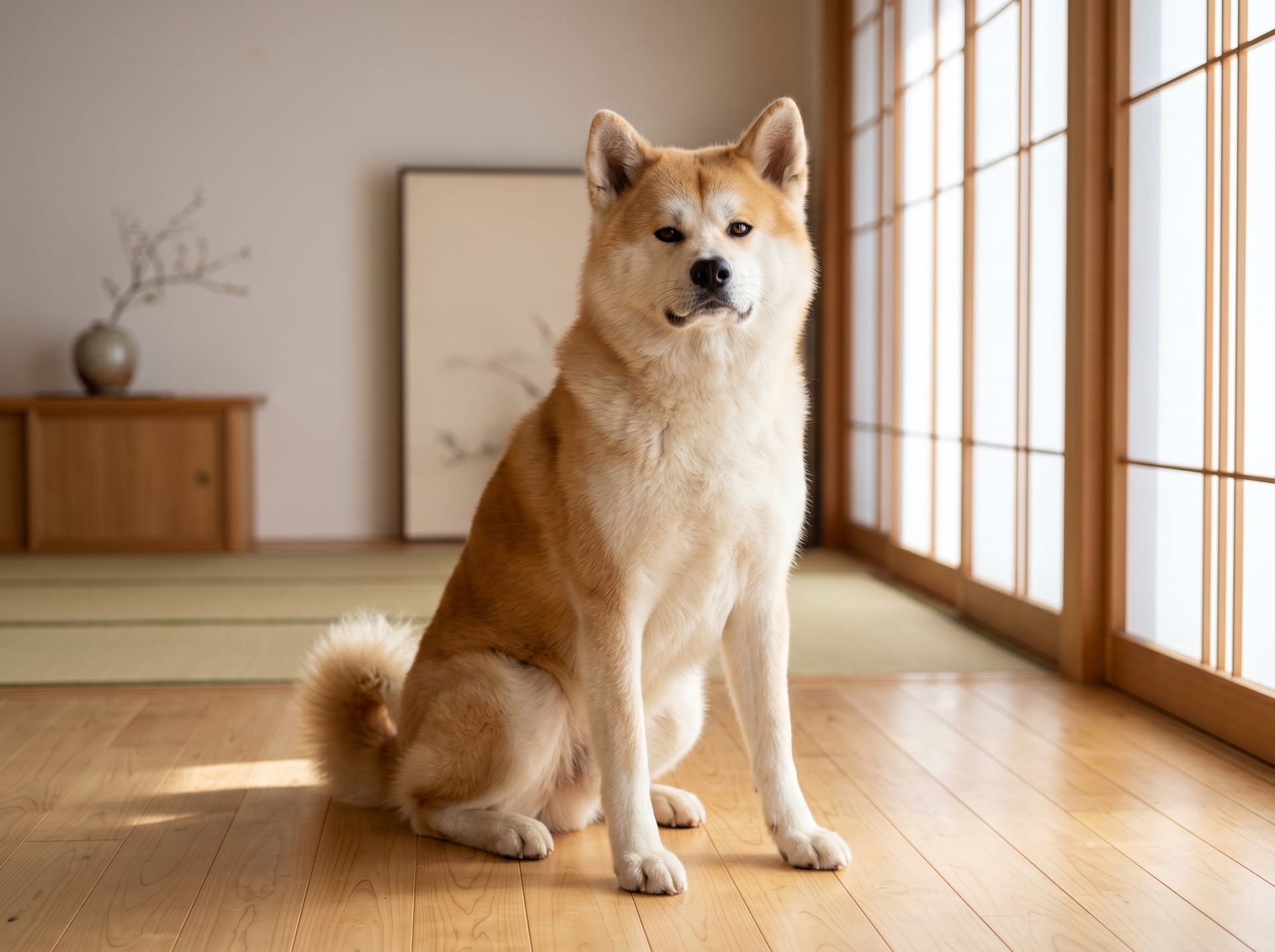
Akita Inu
Japan's iconic breed, famous for Hachiko. Dignified and loyal. National treasure.
View Akita Inu encyclopedia →- Price Range
- ¥200,000〜¥548,000
0% commission on your first sales!Register by September 30, 2026 and your first 2 sales are commission-free!
Breeder Wanted!
List on BreederDirect and sell directly to customers nationwide!
4 Trust Pillars from BreederDirect
All puppy listings include full disclosure from verified Breeder. BreederDirect enforces legally-mandated standards for safe, transparent direct purchases.
- MicrochipRequired
- Vaccinated
- Health Exam
- Pedigree Certificate
※ Microchip implantation is mandatory for breeders under Japan's Animal Protection Law (effective June 2022).
Secure transaction guarantee
Dogs & cats onlyEvery BreederDirect transaction is covered by our transaction guarantee. If you cannot receive your pet, you will be fully refunded. A health guarantee also covers you after handover.
Learn about transaction safety →Browse all 129 breeds
Verified breeders wanted for Dogs
Breeders are signing up now ahead of launch. Subscribe to be notified when new listings go live.
Getting alerts is free with a member account. When new listings match your saved search, we'll notify you by email and in-app.
Browse other categories
Verified breeders (preview)
Akita Inu key facts
- Care level
- Advanced
- Lifespan
- 10-13 years
- Size
- Height 58-70cm / Weight 25-50kg
- Diet
- High-quality large-breed food. Fish-based formulas also suitable.
- Temperament
- Loyal and dignified. Deeply devoted to owner but wary of strangers.
- Exercise
- 60-90 min exercise daily.
- Coat Care
- Thick double coat with heavy shedding. Brush 3-4 times weekly.
- Origin
- Japan (Akita Prefecture)
- Notes
- Not for beginners. May show dog aggression. Socialization essential.
About Akita Inu
The Akita Inu originates from Akita Prefecture in northern Japan, where it served for centuries as a hunting and guard dog. Designated a National Natural Monument in 1931, the breed gained international fame through the story of the loyal Hachiko. Physically, the Akita is striking: a powerful, well-boned frame, a curled tail carried over the back, small triangular ears, and a dense double coat that comes in red, white, brindle, and other colors. Temperamentally, Akitas are calm and dignified, with a depth of loyalty to their family that is rarely matched. They can, however, be independent and reserved around strangers and unfamiliar animals, making early socialization and consistent training essential. For owners who invest the time and care this breed demands, the Akita becomes a deeply devoted companion that carries the quiet strength and cultural heritage of Japan.
7 things to know before welcoming a Akita Inu
1Needs Ample Exercise Space
Due to their large size and moderate-to-high exercise needs, daily walks of at least one hour and access to a spacious yard are ideal. Apartment living is possible, but insufficient exercise can lead to stress and behavioral issues.
2Challenging for First-Time Owners
Akitas have a strong independent streak and may become unmanageable without a clearly established hierarchy. Experienced dog owners or first-timers working closely with a professional trainer are best suited to this breed.
3Caution Around Other Animals
Akitas retain hunting instincts and may show strong prey drive toward cats or small animals. Careful socialization from puppyhood is essential if you plan to keep them with other pets.
4Heavy Shedding to Manage
The Akita's double coat sheds heavily during spring and autumn. Regular brushing 2–3 times a week is needed year-round, increasing to daily grooming during shedding seasons.
5Hip and Eye Health Risks
Hip dysplasia and progressive retinal atrophy (PRA) are health concerns known to affect Akitas. Choosing a puppy from a reputable breeder who conducts health screenings helps reduce these risks.
6Higher-Than-Average Ownership Costs
Larger body size means food, veterinary care, and grooming costs run higher than for small breeds. Food alone can exceed ¥10,000 per month, so budget accordingly for total monthly expenses.
7Low Heat Tolerance
Originating from cold northeastern Japan, Akitas do not tolerate heat and humidity well. Keep indoor temperatures regulated with air conditioning, and avoid walks during the hottest parts of summer days.
Frequently asked questions about Akita Inu
- Q.Can first-time dog owners raise an Akita Inu?
- A.Akitas are generally not considered beginner-friendly due to their independent nature and need for firm, consistent leadership. However, first-time owners who commit to professional training guidance from an early stage can still build a strong bond.
- Q.Is it possible to keep an Akita in an apartment?
- A.It is possible but requires a strong commitment to daily exercise. You should also check building regulations regarding large dogs in common areas and elevators before making a decision.
- Q.How much does an Akita Inu puppy typically cost?
- A.Prices vary by lineage and breeder, but typically range from approximately ¥200,000 to ¥500,000. As a designated Natural Monument breed, purchasing from a registered, reputable breeder is strongly recommended.
- Q.Do Akitas get along well with children and other pets?
- A.Akitas can form strong bonds with children in their family, but may be wary of unfamiliar children or other animals. Early socialization and supervised interactions are key to successful coexistence.
- Q.Do Akitas bark a lot?
- A.Akitas are generally quiet dogs that do not bark without reason. They will, however, bark alertly and powerfully when they sense something suspicious, making them effective watchdogs.
Useful tools for Akita Inu care
Learn more about Akita Inu in the encyclopedia
View Akita Inu encyclopedia entry →
Care difficulty, lifespan, size and diet — all basics covered.
Akita Inu related articles
See more Akita Inu articles →More in this category
Can't find the one you're looking for?
Post your wishes for free and breeders with matching animals will contact you with introductions.