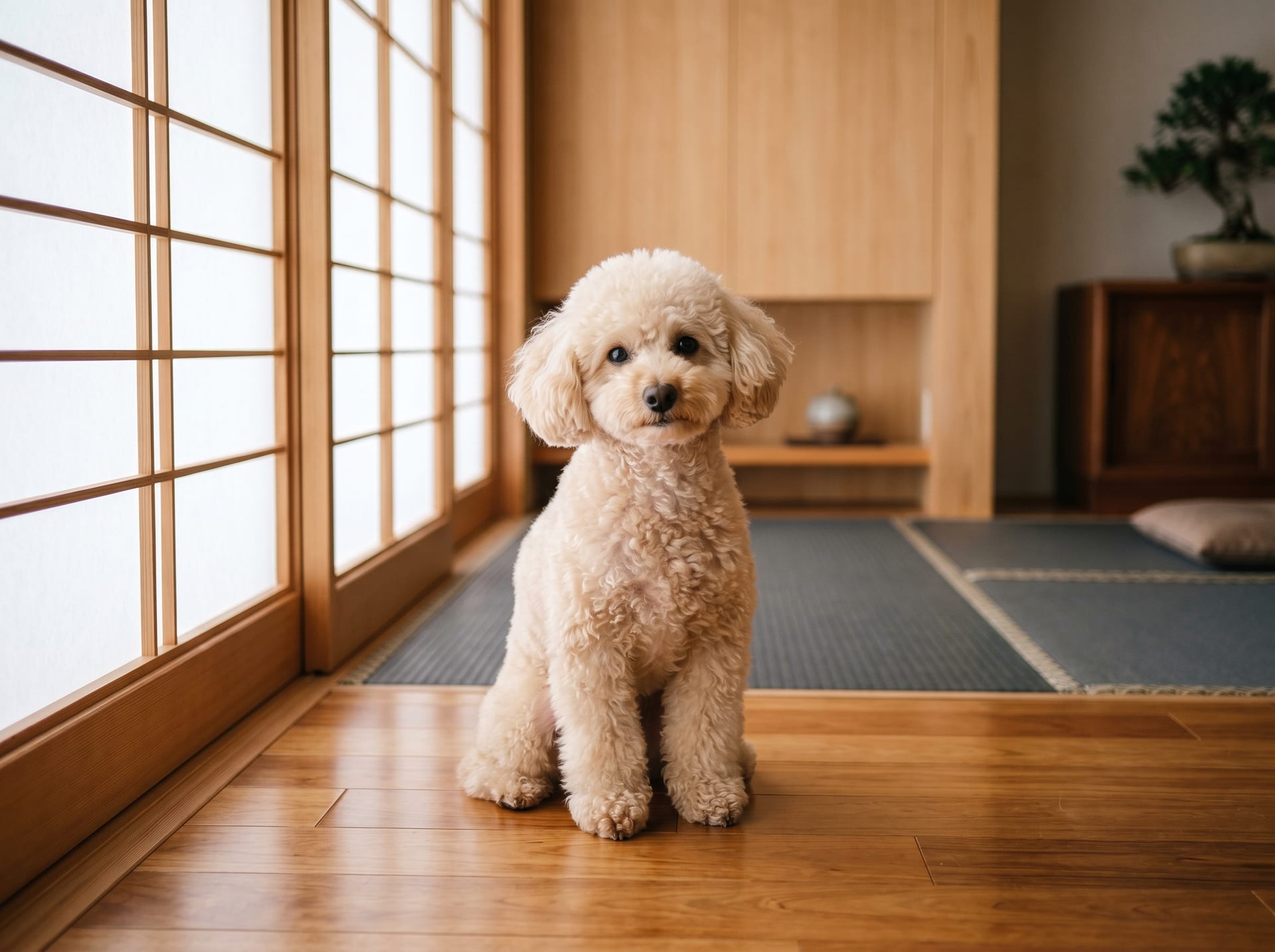
Tiny Poodle
A poodle even smaller than the Toy Poodle. Highly intelligent with minimal shedding, ideal for beginners.
View Tiny Poodle encyclopedia →- Price Range
- ¥200,000〜¥548,000
0% commission on your first sales!Register by September 30, 2026 and your first 2 sales are commission-free!
Breeder Wanted!
List on BreederDirect and sell directly to customers nationwide!
4 Trust Pillars from BreederDirect
All puppy listings include full disclosure from verified Breeder. BreederDirect enforces legally-mandated standards for safe, transparent direct purchases.
- MicrochipRequired
- Vaccinated
- Health Exam
- Pedigree Certificate
※ Microchip implantation is mandatory for breeders under Japan's Animal Protection Law (effective June 2022).
Secure transaction guarantee
Dogs & cats onlyEvery BreederDirect transaction is covered by our transaction guarantee. If you cannot receive your pet, you will be fully refunded. A health guarantee also covers you after handover.
Learn about transaction safety →Browse all 129 breeds
Verified breeders wanted for Dogs
Breeders are signing up now ahead of launch. Subscribe to be notified when new listings go live.
Getting alerts is free with a member account. When new listings match your saved search, we'll notify you by email and in-app.
Browse other categories
Verified breeders (preview)
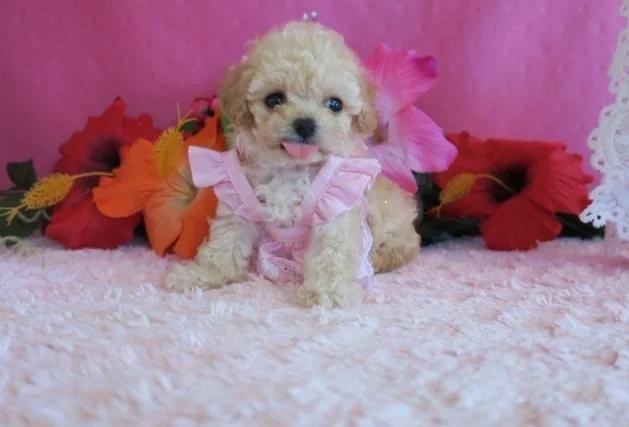
Tiny Poodle key facts
- Care level
- Beginner-friendly
- Lifespan
- 14-17 years
- Size
- 2-3kg
- Diet
- Dry food, extra small kibble
- Temperament
- Smart, obedient, friendly and affectionate
- Exercise
- Indoor play and short walks
- Coat Care
- Monthly grooming required, daily brushing
- Origin
- France
- Notes
- Fragile bones, watch for hypoglycemia
About Tiny Poodle
The Tiny Poodle is the smallest size classification in the Poodle family — which includes Standard, Miniature, and Toy — and in Japan typically refers to dogs standing under 24 cm at the shoulder and weighing approximately 2–3 kg. The Poodle's ancestors were waterfowl retrievers used in Germany and France, and the breed's intelligence and trainability made it a favorite of European nobility. Their curly, voluminous coat sheds very little, which appeals to owners who are sensitive to pet dander. In temperament, Tiny Poodles are bright, curious, and deeply affectionate with the whole family, though their sensitivity means they thrive best in calm, stable environments. Their compact size makes them well-suited to indoor living and apartment life in urban settings. With consistent grooming and daily care, they become devoted long-term companions.
Featured breeders for Tiny Poodle
See all Tiny Poodle breeders (2) →
7 things to know before welcoming a Tiny Poodle
1Adult Size and Build
Adult Tiny Poodles typically weigh around 2 kg, though individual variation exists. It is advisable to confirm the parent dogs' sizes and growth estimates with your breeder beforehand. Their small frame also means a higher risk of bone fractures, so careful handling is important.
2Daily Grooming Needs
The curly coat characteristic of Poodles sheds minimally but is prone to matting, requiring regular brushing. Professional grooming every one to two months helps maintain coat health. Pay particular attention to the inner ears and around the eyes, which are prone to moisture buildup.
3Exercise and Indoor Space
Despite their small size, Tiny Poodles are energetic and curious, benefiting from two short daily walks combined with indoor play. Slipping on hardwood floors can strain their joints, so rugs or mats are recommended. Preventing falls from elevated surfaces is also important.
4Training and Intelligence
Poodles rank among the most intelligent dog breeds and learn commands quickly. However, boredom can lead to unwanted behaviors, so incorporating mental stimulation into their daily routine is essential. Consistent, gentle training started in puppyhood tends to yield the best results.
5Low-Allergen, Not Allergen-Free
While Tiny Poodles are considered low-shedding and less likely to trigger allergies, dog allergens also come from dander and saliva, not just fur. Those with allergies are advised to consult a veterinarian or spend time with the dog before committing to ownership.
6Dental Care and Health
Small dogs are prone to dental disease, and Tiny Poodles are no exception. Brushing their teeth several times a week can help prevent oral health issues. Patellar luxation is also common in small breeds, so regular veterinary check-ups are important for early detection.
7Understanding the Costs
Tiny Poodles tend to be priced higher than standard Toy Poodles due to their rarity. Ongoing costs include monthly grooming, food, vaccinations, and routine veterinary care. Estimating the total lifetime cost in advance and planning accordingly is an important step before bringing one home.
Frequently asked questions about Tiny Poodle
- Q.What is the difference between a Tiny Poodle and a Toy Poodle?
- A.Generally, Toy Poodles stand around 24–28 cm at the shoulder, while Tiny Poodles are under 24 cm. However, "Tiny Poodle" is not a recognized size category in international breed standards — it is a term used by Japanese breeders and sellers. Temperament and appearance are essentially the same, but the smaller frame increases the risk of fractures and hypoglycemia.
- Q.Can I keep a Tiny Poodle if I live alone?
- A.It is certainly possible, but Poodles are social dogs and may experience stress if left alone for extended periods regularly. If you are away for work during the day, consider doggy daycare, a pet camera to monitor them, and making sure to spend quality time together after returning home. You will also need time and budget for regular grooming appointments and veterinary visits.
- Q.Do Tiny Poodles really shed very little?
- A.Poodles are widely considered to shed much less than most other breeds, and many owners find minimal fur on clothing and furniture. That said, shedding is not completely zero, and individual allergic responses can vary. If you have concerns about allergies, spending time with the dog before committing is a practical step.
- Q.Can Tiny Poodles live with children or elderly people?
- A.Their gentle and affectionate nature makes them a good companion for elderly owners. However, because of their very small size, rough handling by young children can cause serious injury. In households with children, adults should establish clear rules for interacting with the dog and supervise all contact.
- Q.How much does monthly grooming cost?
- A.Prices vary by region and salon, but a full grooming session typically costs around 4,000–10,000 yen. Tiny Poodles may be slightly less expensive than Toy Poodles due to their smaller size. Fees differ depending on whether shampoo, nail trimming, and ear cleaning are included, so it is worth confirming the details in advance.
Useful tools for Tiny Poodle care
Learn more about Tiny Poodle in the encyclopedia
View Tiny Poodle encyclopedia entry →
Care difficulty, lifespan, size and diet — all basics covered.
More in this category
Can't find the one you're looking for?
Post your wishes for free and breeders with matching animals will contact you with introductions.