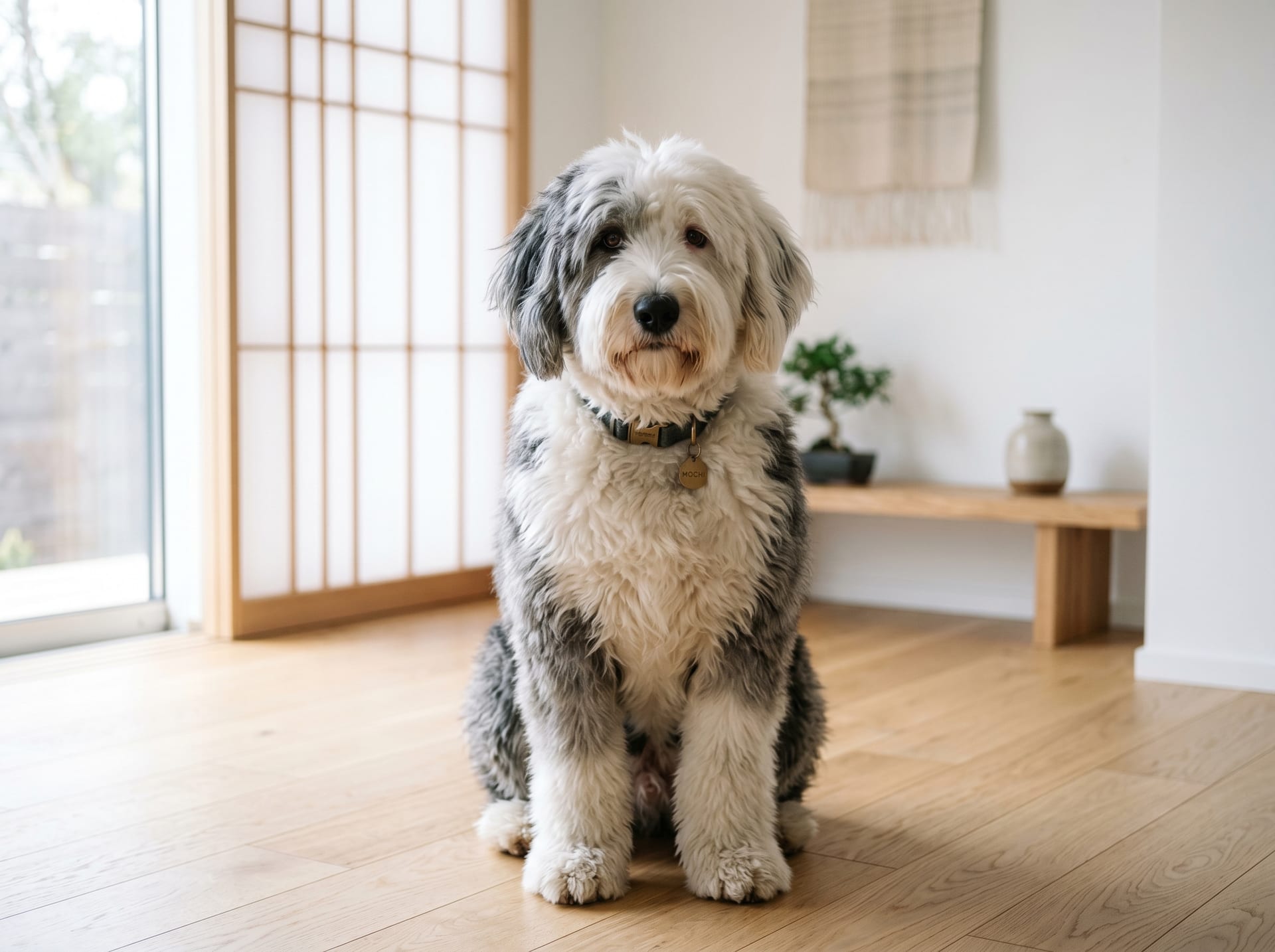
A large breed covered in thick, fluffy coat. Cheerful and loving, also known as Bobtail.
View Old English Sheepdog encyclopedia →First 3 sales - 0% commission!Register as a breeder by July 31, 2026 and your first 3 sales are commission-free!
Breeder Wanted!
List on BreederDirect and sell directly to customers nationwide!
All puppy listings include full disclosure from verified Breeder. br-choku enforces legally-mandated standards for safe, transparent direct purchases.
※ Microchip implantation is mandatory for breeders under Japan's Animal Protection Law (effective June 2022).
Every br-choku transaction is covered by our transaction guarantee. If you cannot receive your pet, you will be fully refunded. A health guarantee also covers you after handover.
Breeders are signing up now ahead of launch. Subscribe to be notified when new listings go live.
Getting alerts is free with a member account. When new listings match your saved search, we'll notify you by email and in-app.
Are you raising dogs?
Register as a breeder and connect with buyers directly.

The Old English Sheepdog is a storied breed that developed in 18th-century England as a drover's dog, herding sheep and cattle to market. The practice of docking the tail gave rise to the beloved nickname "Bobtail," which endures to this day. The breed's most striking feature is its abundant grey-and-white double coat, which drapes over the entire body including the face, creating a silhouette instantly recognizable around the world. While adults can weigh between 27 and 45 kg, they move with surprising agility. In temperament, the Old English Sheepdog is cheerful, affectionate, and sociable, coexisting peacefully with children and other animals. Though originally a working dog, it has found its true modern role as a devoted family companion, bringing warmth and character to everyday life.
1Coat Care Is Demanding
The thick double coat is highly prone to tangles and matting, requiring daily brushing. Professional grooming every 2–3 months is also recommended, so budget both time and money for coat maintenance before bringing one home.
2Space Needs for a Large Breed
Adult OES typically weigh between 25–45 kg, making adequate living space essential. While they can adapt to indoor living, a home with a yard or spacious rooms is generally better suited to their size.
3Moderate to High Exercise Needs
With herding heritage, OES need around 1–2 hours of daily exercise. Insufficient activity can lead to boredom-related behaviors such as chewing or excessive barking, so consistent daily exercise is important.
4Intelligent but Sometimes Stubborn
OES are quick learners but can be independent-minded and occasionally stubborn. Consistent rules and positive reinforcement training from puppyhood help establish good manners and a trusting relationship.
5Heat Sensitivity to Watch For
The dense coat traps heat easily, increasing the risk of heat stroke in hot or humid conditions. Summer trims and air-conditioned environments are important precautions during warmer months.
6Hip and Eye Health Checks
View Old English Sheepdog encyclopedia entry →
Care difficulty, lifespan, size and diet — all basics covered.
OES are prone to hip dysplasia common in large breeds, as well as eye conditions such as progressive retinal atrophy (PRA). Regular veterinary checkups and confirming that the breeder conducts health screenings are strongly recommended.
7Higher Lifetime Ownership Costs
Food, veterinary care, and grooming costs are all higher for large breeds. Monthly grooming, premium food, and pet insurance can add up significantly compared to smaller dogs. Estimating ongoing monthly costs before adopting is strongly advised.