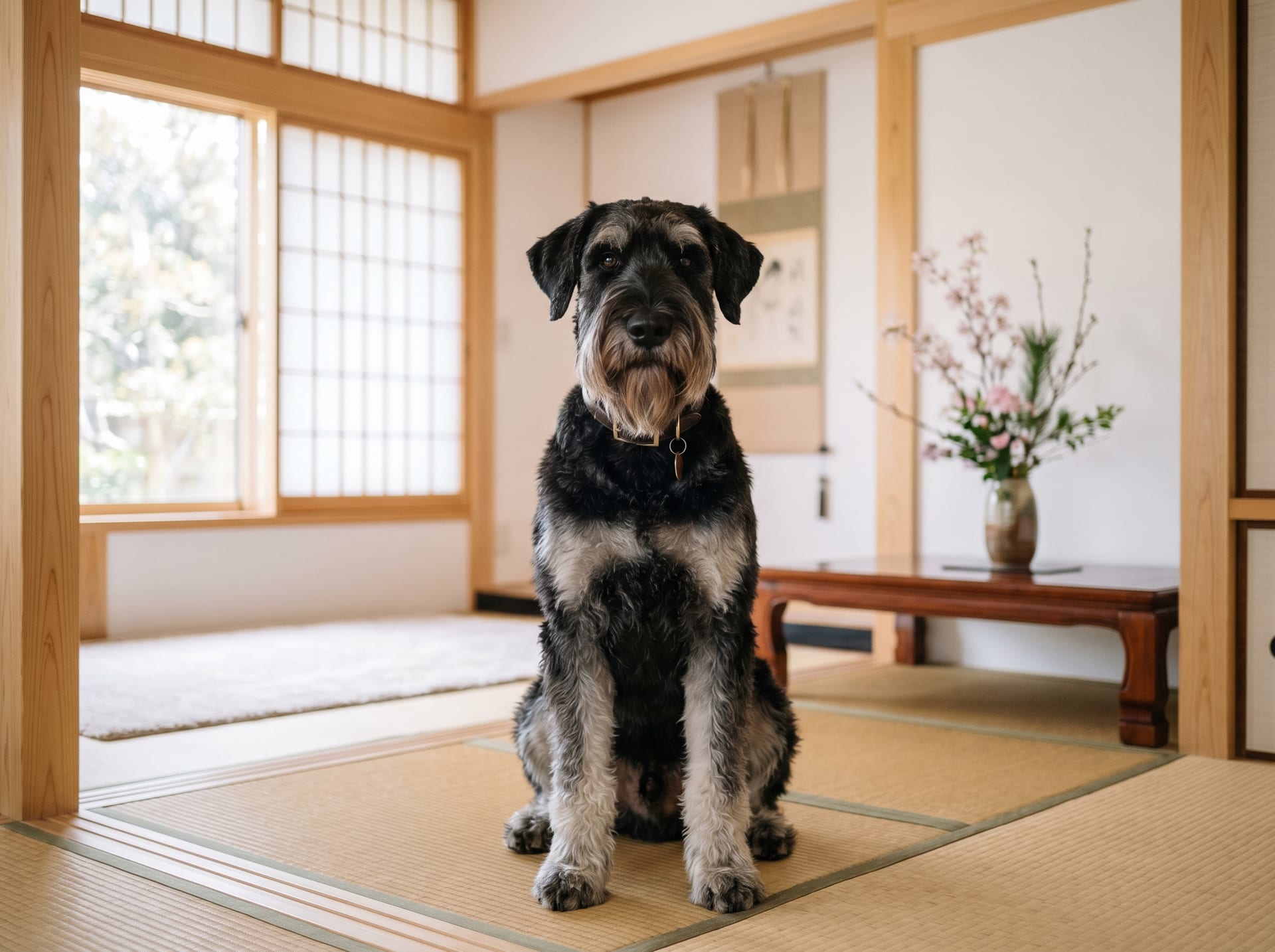
Giant Schnauzer
Largest Schnauzer variety. Powerful build with high intelligence, excels as guard and working dog.
View Giant Schnauzer encyclopedia →0% commission on your first sales!Register by September 30, 2026 and your first 2 sales are commission-free!
Breeder Wanted!
List on BreederDirect and sell directly to customers nationwide!
4 Trust Pillars from BreederDirect
All puppy listings include full disclosure from verified Breeder. BreederDirect enforces legally-mandated standards for safe, transparent direct purchases.
- MicrochipRequired
- Vaccinated
- Health Exam
- Pedigree Certificate
※ Microchip implantation is mandatory for breeders under Japan's Animal Protection Law (effective June 2022).
Secure transaction guarantee
Dogs & cats onlyEvery BreederDirect transaction is covered by our transaction guarantee. If you cannot receive your pet, you will be fully refunded. A health guarantee also covers you after handover.
Learn about transaction safety →Browse all 129 breeds
Verified breeders wanted for Dogs
Breeders are signing up now ahead of launch. Subscribe to be notified when new listings go live.
Getting alerts is free with a member account. When new listings match your saved search, we'll notify you by email and in-app.
Browse other categories
Verified breeders (preview)
Giant Schnauzer key facts
- Care level
- Advanced
- Lifespan
- 10-12 years
- Size
- 25-48kg
- Diet
- Large breed food, high protein
- Temperament
- Loyal, brave, highly intelligent
- Exercise
- 60+ minutes daily exercise essential
- Coat Care
- Wire coat, regular grooming needed
- Origin
- Germany
- Notes
- For experienced owners, firm leadership needed
About Giant Schnauzer
The Giant Schnauzer traces its origins to 19th-century Bavaria in Germany, where it was selectively bred as a droving dog to herd cattle to market. Crosses with larger breeds such as Mastiffs and Great Danes produced the commanding physique we recognize today, and the breed later gained distinction as a working dog for German police and military forces. Its appearance is defined by bushy eyebrows, a wiry beard, and a dense coat in either salt-and-pepper or solid black, giving it a dignified and striking presence. In temperament, the Giant Schnauzer is bold, energetic, and highly intelligent; with proper training it demonstrates strong responsiveness to its owner alongside a devoted, protective loyalty toward the family. One of the great rewards of owning this breed is its capacity for complex commands and dog sports, making training itself an engaging and rewarding shared activity.
7 things to know before welcoming a Giant Schnauzer
1Needs Ample Exercise Space
Due to their large size, Giant Schnauzers are not well suited to apartments or small living spaces. They require 1–2 hours of vigorous daily exercise, ideally with access to a spacious yard or park. Insufficient activity can lead to stress and behavioral issues, so consider your living environment carefully before adopting.
2Strong-Willed and Dominant
Highly intelligent but also strong-willed and independent, Giant Schnauzers may try to assert dominance if their owner lacks confidence and consistency. This breed is better suited to experienced dog owners who can dedicate time to firm, structured training from an early age.
3Early Socialization Is Key
Their natural wariness means Giant Schnauzers can be cautious around strangers and unfamiliar dogs. Thorough socialization starting in puppyhood — exposing them to varied environments, people, and animals — is essential for raising a well-rounded adult. Inadequate socialization may result in excessive alertness or problem barking.
4Regular Grooming Required
The wire double coat sheds relatively little but requires professional grooming — hand-stripping or clipping — every 6–8 weeks. The distinctive beard around the muzzle tends to collect food and water, so wiping it down daily is recommended to keep it clean and hygienic.
5Watch for Hip and Eye Issues
Like many large breeds, Giant Schnauzers can be prone to hip dysplasia. Eye conditions such as progressive retinal atrophy have also been noted in the breed. When acquiring from a breeder, ask about health screening records for the parents, and schedule regular veterinary checkups throughout the dog's life.
6Higher Ongoing Costs
Monthly food costs for a high-protein large-breed diet can exceed 10,000 yen. Grooming sessions typically run 8,000–15,000 yen each, and veterinary care and pet insurance premiums for a dog this size are proportionally higher. It is advisable to estimate total long-term costs before committing to this breed.
7Devoted Family Dog with Guard Instincts
Giant Schnauzers are deeply devoted to their families and can build strong bonds with children, but they tend to be wary and alert toward unfamiliar visitors. Bred historically as guard dogs, their protective instincts remain strong today. Ongoing training is needed to keep territorial behavior and barking well managed.
Frequently asked questions about Giant Schnauzer
- Q.Can Giant Schnauzers get along with children and other pets?
- A.With proper socialization and supervision, Giant Schnauzers can build positive relationships with children, though their large size means adult oversight is always recommended around young kids. Cohabiting with other dogs or cats is most successful when introductions happen during puppyhood.
- Q.Is this breed suitable for first-time dog owners?
- A.Due to their strong will and high intelligence, Giant Schnauzers are considered a challenging breed for first-time owners. However, first-timers who actively work with a professional trainer can still build a successful and rewarding relationship with the dog.
- Q.Do Giant Schnauzers shed a lot?
- A.Thanks to their wiry coat texture, Giant Schnauzers shed relatively little compared to many other large breeds. That said, without regular professional grooming the coat can become matted and unkempt, so ongoing grooming time and expense are still necessary.
- Q.How much daily exercise does a Giant Schnauzer need?
- A.A minimum of one to two hours of vigorous exercise per day is generally recommended. Combining physical activities such as running or fetch with mentally stimulating tasks like agility training keeps both body and mind well satisfied.
- Q.What is the typical lifespan and what health issues should I be aware of?
- A.The average lifespan is 10 to 12 years. Health conditions reported more frequently in the breed include hip dysplasia, progressive retinal atrophy, and hypothyroidism. Regular veterinary check-ups and maintaining a healthy body weight are key preventive measures.
Useful tools for Giant Schnauzer care
Learn more about Giant Schnauzer in the encyclopedia
View Giant Schnauzer encyclopedia entry →
Care difficulty, lifespan, size and diet — all basics covered.
More in this category
Can't find the one you're looking for?
Post your wishes for free and breeders with matching animals will contact you with introductions.