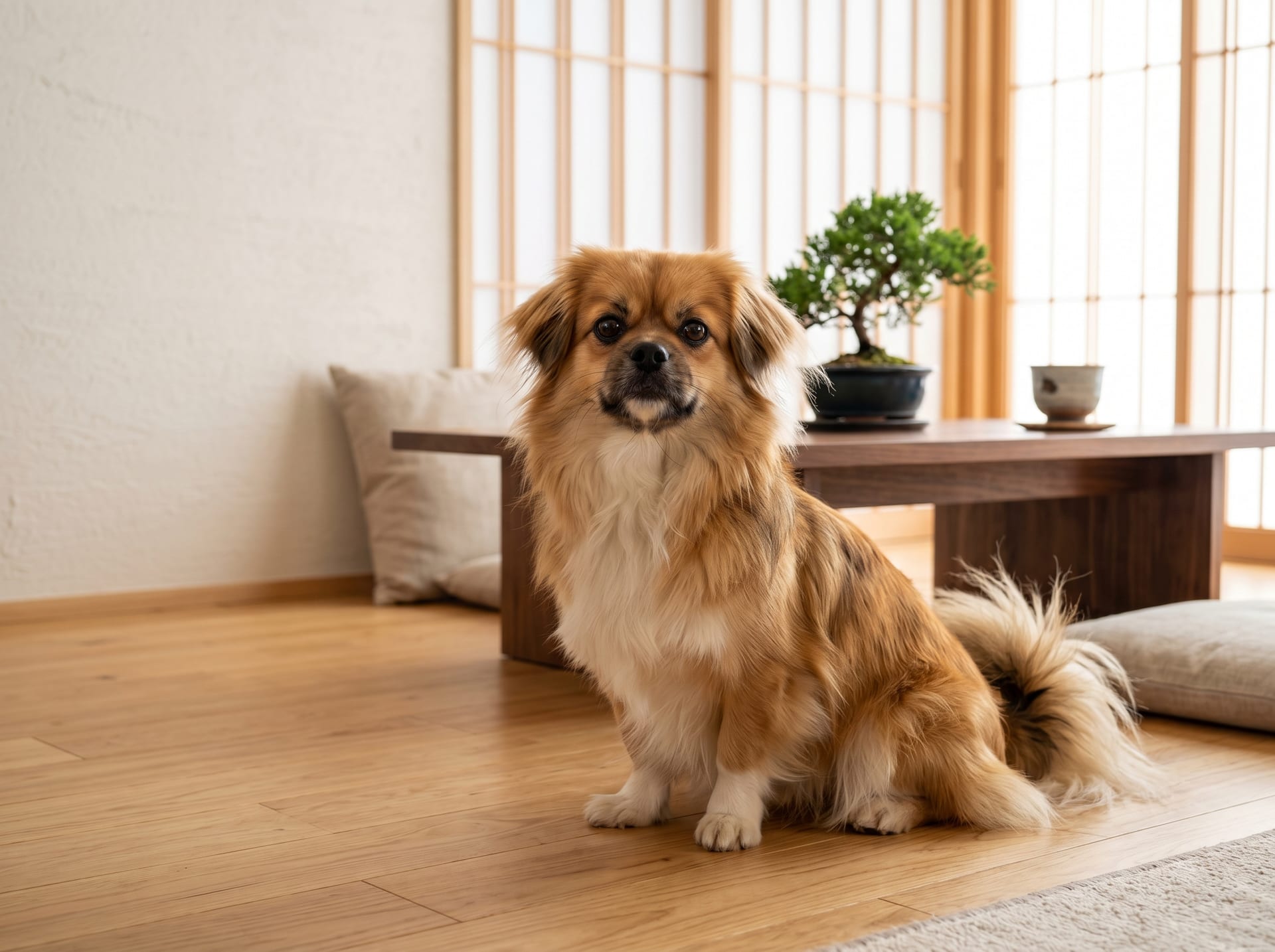
Tibetan Spaniel
Small dog with Tibetan monastery watchdog heritage. Calm, independent, and loves watching from high places.
View Tibetan Spaniel encyclopedia →- Price Range
- ¥200,000〜¥548,000
0% commission on your first sales!Register by September 30, 2026 and your first 2 sales are commission-free!
Breeder Wanted!
List on BreederDirect and sell directly to customers nationwide!
4 Trust Pillars from BreederDirect
All puppy listings include full disclosure from verified Breeder. BreederDirect enforces legally-mandated standards for safe, transparent direct purchases.
- MicrochipRequired
- Vaccinated
- Health Exam
- Pedigree Certificate
※ Microchip implantation is mandatory for breeders under Japan's Animal Protection Law (effective June 2022).
Secure transaction guarantee
Dogs & cats onlyEvery BreederDirect transaction is covered by our transaction guarantee. If you cannot receive your pet, you will be fully refunded. A health guarantee also covers you after handover.
Learn about transaction safety →Browse all 129 breeds
Verified breeders wanted for Dogs
Breeders are signing up now ahead of launch. Subscribe to be notified when new listings go live.
Getting alerts is free with a member account. When new listings match your saved search, we'll notify you by email and in-app.
Browse other categories
Verified breeders (preview)

Tibetan Spaniel key facts
- Care level
- Beginner-friendly
- Lifespan
- 12-15 years
- Size
- Height around 25cm / Weight 4-7kg
- Diet
- High-quality small-breed food. Two meals per day.
- Temperament
- Calm and independent. Loyal and intelligent but reserved with strangers.
- Exercise
- 30 min walk daily. Loves elevated spots and window-watching.
- Coat Care
- Medium-length double coat. Brush twice weekly.
- Origin
- Tibet
- Notes
- Watch for patellar luxation and allergies. Generally healthy; regular checkups recommended.
About Tibetan Spaniel
The Tibetan Spaniel has lived alongside monks in the high-altitude monasteries of the Himalayas for centuries. Prized as a sentinel that watched from atop walls and given as gifts among lamas, the breed gradually spread across Asia and beyond. Small in stature — standing around 25 cm and weighing 4–7 kg — it carries itself with quiet elegance, thanks to its silky medium-length coat, feathered tail curled over the back, and large expressive eyes set in a slightly domed, flat face. In temperament, the Tibetan Spaniel is affectionate and devoted to its family yet notably independent — often compared to a cat in its self-possessed manner. Highly observant, it tends to assess strangers carefully before offering trust. For owners who appreciate a calm, intelligent companion that forms deep bonds without demanding constant activity, this breed offers a uniquely rewarding relationship.
7 things to know before welcoming a Tibetan Spaniel
1An Independent Spirit
Tibetan Spaniels have a mind of their own and won't blindly obey commands. Training requires patience and consistency; positive reinforcement works far better than forceful methods with this breed.
2Watch Those High Spots
This breed instinctively seeks high vantage points to survey its surroundings. Watch for falls from sofa backs, shelves, or windowsills, and secure your home accordingly before bringing one home.
3Coat Care Frequency
The silky medium-length coat needs brushing two to three times a week to prevent tangles. Shedding increases during seasonal changes, requiring more frequent grooming. Ear and paw fur should be checked regularly even though extensive trimming is rarely needed.
4Moderate Exercise Needs
Daily walks of around 30 minutes combined with moderate indoor play are sufficient. This breed adapts well to apartment living and suits owners with a less active lifestyle, making it a good fit for urban environments.
5Reserved With Strangers
While affectionate with family, Tibetan Spaniels tend to be cautious around strangers. Early socialization with a variety of people and environments helps develop a well-rounded temperament.
6Health Considerations
The breed has a noted predisposition to progressive retinal atrophy (PRA) and patellar luxation. Ask breeders for health screening records of the parents, and schedule regular ophthalmologic and orthopedic checkups.
7Estimated Ownership Costs
Puppy prices in Japan typically range from ¥200,000 to ¥400,000 due to the breed's rarity. Budget approximately ¥200,000–¥300,000 annually for food, veterinary care, and grooming supplies.
Frequently asked questions about Tibetan Spaniel
- Q.Does the Tibetan Spaniel bark a lot?
- A.Their watchdog heritage means they may bark at unfamiliar sights or sounds, but they are not excessive barkers by nature. Consistent training and early socialization help them respond calmly.
- Q.Do they get along with children and other pets?
- A.Their gentle nature generally allows them to coexist with calm children and other pets. Being a small breed, they can be stressed by rough handling, so adult supervision around young children is recommended.
- Q.What is the typical lifespan?
- A.The average lifespan is 12–15 years, which is relatively long among small breeds. Proper nutrition and regular veterinary checkups are key factors in supporting a long, healthy life.
- Q.Is this breed suitable for someone living alone?
- A.Their independent streak means they handle alone time better than some breeds, but prolonged isolation can still cause stress. With daily interaction and consistent exercise, single-person households can be a good fit.
- Q.How easy is it to find one in Japan?
- A.The breed is relatively rare in Japan, and puppies are typically obtained through specialist breeders. Finding a reputable breeder may take time, and waiting lists are not uncommon.
Useful tools for Tibetan Spaniel care
Learn more about Tibetan Spaniel in the encyclopedia
View Tibetan Spaniel encyclopedia entry →
Care difficulty, lifespan, size and diet — all basics covered.
More in this category
Can't find the one you're looking for?
Post your wishes for free and breeders with matching animals will contact you with introductions.