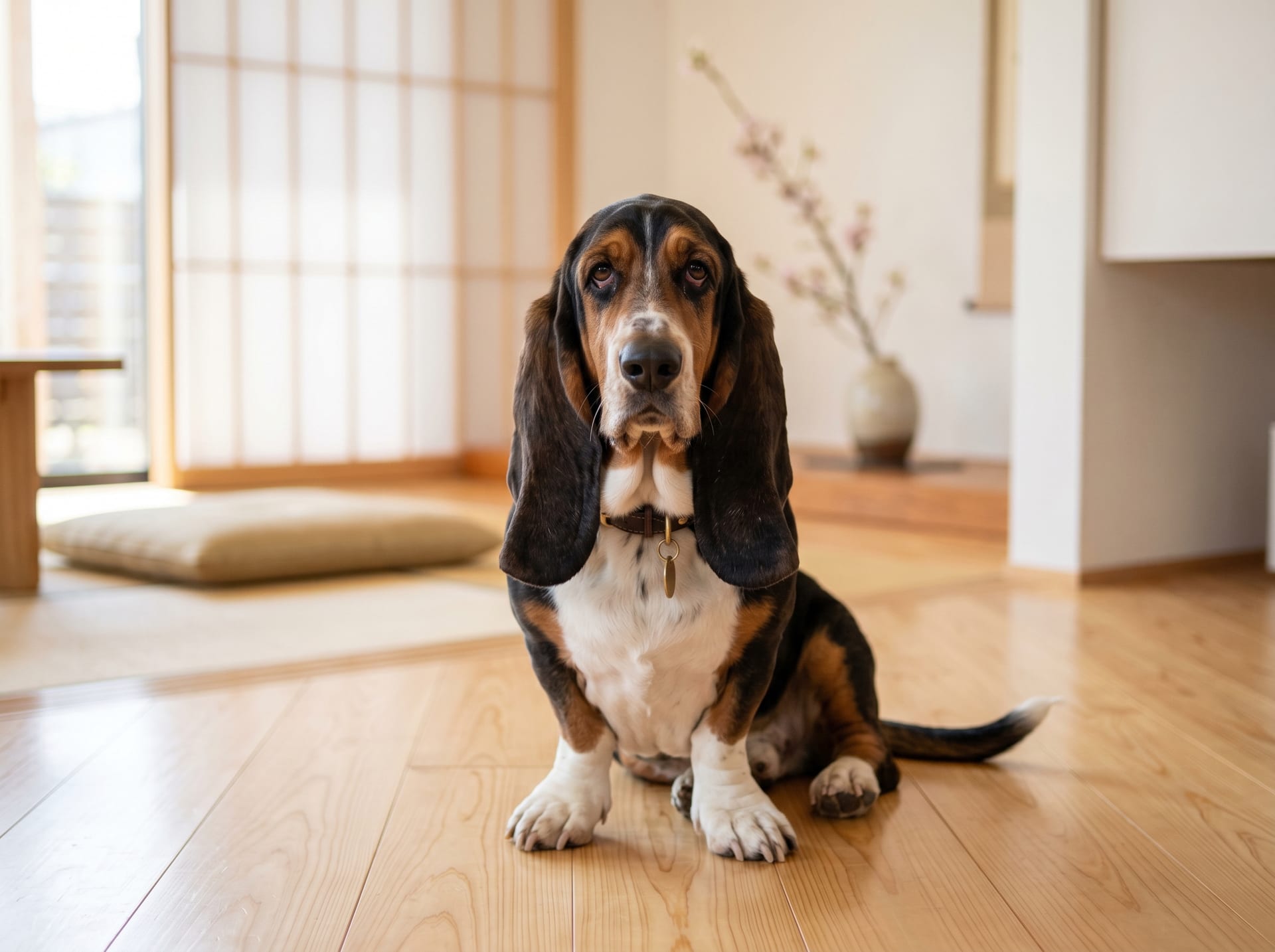
Basset Hound
Scent hound with long droopy ears and short legs. Laid-back personality with excellent sense of smell.
View Basset Hound encyclopedia →- Price Range
- ¥200,000〜¥548,000
0% commission on your first sales!Register by September 30, 2026 and your first 2 sales are commission-free!
Breeder Wanted!
List on BreederDirect and sell directly to customers nationwide!
4 Trust Pillars from BreederDirect
All puppy listings include full disclosure from verified Breeder. BreederDirect enforces legally-mandated standards for safe, transparent direct purchases.
- MicrochipRequired
- Vaccinated
- Health Exam
- Pedigree Certificate
※ Microchip implantation is mandatory for breeders under Japan's Animal Protection Law (effective June 2022).
Secure transaction guarantee
Dogs & cats onlyEvery BreederDirect transaction is covered by our transaction guarantee. If you cannot receive your pet, you will be fully refunded. A health guarantee also covers you after handover.
Learn about transaction safety →Browse all 129 breeds
Verified breeders wanted for Dogs
Breeders are signing up now ahead of launch. Subscribe to be notified when new listings go live.
Getting alerts is free with a member account. When new listings match your saved search, we'll notify you by email and in-app.
Browse other categories
Verified breeders (preview)

Basset Hound key facts
- Care level
- Beginner-friendly
- Lifespan
- 10-12 years
- Size
- 20-34kg
- Diet
- Dry food, prone to obesity so monitor intake
- Temperament
- Laid-back, calm, can be stubborn
- Exercise
- About 30 minutes of daily walks
- Coat Care
- Short coat, keeping ears clean is important
- Origin
- France
- Notes
- Watch for ear infections, weight management crucial
About Basset Hound
The Basset Hound traces its origins to France and Belgium, where it was selectively bred to trail small game such as rabbits and foxes by scent along the ground. The name comes from the French word "bas," meaning low, a nod to the breed's ground-hugging build that makes it ideal for scent tracking. Their long, dragging ears help funnel ground-level scents toward the nose, while the loose, wrinkled skin is believed to trap scent particles. Adults typically weigh between 20 and 34 kg and live 10 to 12 years. In temperament, Basset Hounds are gentle, sociable, and generally get along well with children and other dogs. That said, they possess an independent streak that demands patient, reward-based training. Their slow, deliberate movements and mournful expression give them an endearing, almost comic quality that has earned them devoted fans worldwide.
7 things to know before welcoming a Basset Hound
1Prone to Weight Gain
Basset Hounds have hearty appetites and a slower metabolism, making obesity a common concern. Excess weight puts strain on their joints and spine, so measure meals carefully and limit treats. Keeping them within the ideal weight range of 20–34 kg is essential for long-term health.
2Joint and Spine Care
Their long body and short legs increase the risk of intervertebral disc disease and arthritis. Use ramps or assist them on and off furniture, and provide non-slip flooring to reduce joint stress. Discourage jumping and limit stair use, especially as they age.
3Regular Ear Maintenance
Those long, drooping ears restrict airflow, making Basset Hounds prone to ear infections. Clean the inner ear with a vet-recommended solution one to two times per week, and check regularly for redness, odor, or unusual discharge.
4Nose-Driven Behavior
Basset Hounds possess one of the keenest noses in the dog world, and once they catch a scent, they may tune out commands entirely. Always keep them on leash outdoors, use a securely fenced yard, and channel their tracking instinct through nose-work games.
5Stubbornness and Training
Basset Hounds are intelligent but independent-minded, often choosing to ignore commands when unmotivated. Positive reinforcement using food rewards works far better than punishment. Keep training sessions short and frequent, and prioritize socialization and basic commands from puppyhood.
6Vocal and Prone to Howling
Basset Hounds have a deep, carrying voice and are known to howl when bored or lonely. This can be a concern in apartments or densely populated areas. Providing adequate exercise, mental stimulation, and company helps minimize excessive vocalization.
7Exercise Needs and Pace
Despite their laid-back appearance, Basset Hounds need around 30–60 minutes of daily walking. Avoid high-impact exercise during puppyhood to protect developing bones. Slow-paced, sniff-heavy walks are ideal and provide both physical and mental satisfaction.
Frequently asked questions about Basset Hound
- Q.Can a Basset Hound live in an apartment?
- A.Basset Hounds do not require excessive exercise, so apartment living is possible. However, their loud baying can disturb neighbors, so soundproofing and building rules should be checked carefully. Frequent stair use in multi-story buildings can also strain their long spine over time.
- Q.Is training a Basset Hound difficult?
- A.Basset Hounds are intelligent but notoriously independent, meaning they may simply choose not to comply on a whim. Positive reinforcement using treats is the most effective approach; harsh correction tends to shut them down rather than motivate them. Daily short training sessions over time yield the best results.
- Q.How much exercise does a Basset Hound need?
- A.Around 30 to 45 minutes of leisurely walking per day is typically sufficient. Intense exercise is not recommended as it puts undue stress on their joints and spine. Sniff-heavy walks are mentally stimulating for this scent-driven breed, so routes with varied smells are ideal.
- Q.Do Basset Hounds shed a lot? Is grooming difficult?
- A.Despite their short coat, Basset Hounds shed consistently throughout the year and more heavily during shedding seasons. Weekly brushing one to two times is adequate, but keeping the ear canals, facial wrinkles, and skin folds clean is equally important. Some individuals carry a distinct hound odor, making regular bathing necessary.
- Q.Do Basset Hounds get along with children and other pets?
- A.Their gentle, patient nature makes Basset Hounds generally well-suited to households with children and other dogs. However, small animals such as rabbits or birds may trigger their hunting instincts, so introductions should be carefully managed. Proper early socialization remains important regardless of the household setup.
Useful tools for Basset Hound care
Learn more about Basset Hound in the encyclopedia
View Basset Hound encyclopedia entry →
Care difficulty, lifespan, size and diet — all basics covered.
More in this category
Can't find the one you're looking for?
Post your wishes for free and breeders with matching animals will contact you with introductions.