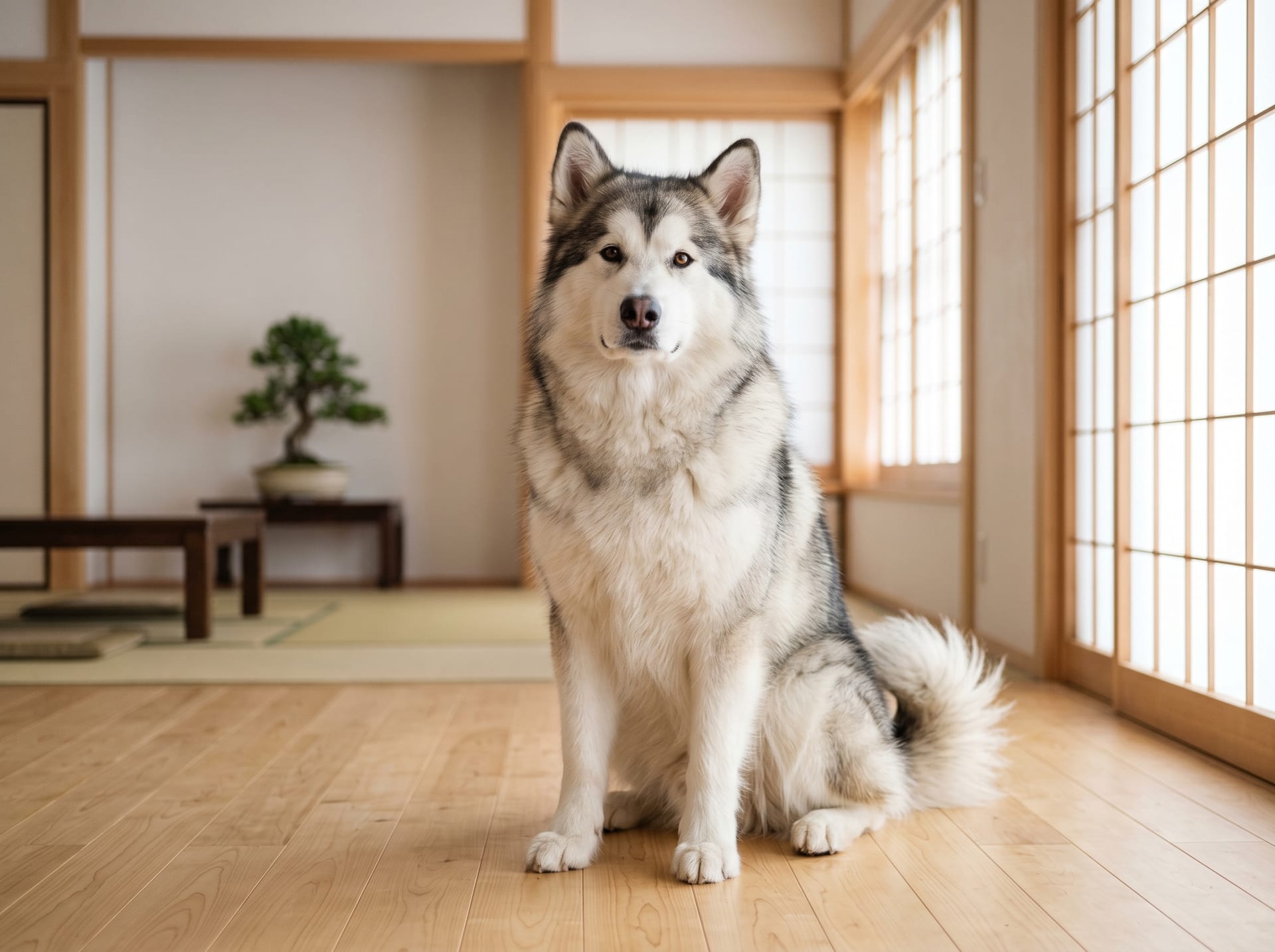
Alaskan Malamute
Large Arctic sled dog. Bigger and stronger than Huskies, with a loyal and friendly temperament.
View Alaskan Malamute encyclopedia →- Price Range
- ¥200,000〜¥548,000
0% commission on your first sales!Register by September 30, 2026 and your first 2 sales are commission-free!
Breeder Wanted!
List on BreederDirect and sell directly to customers nationwide!
4 Trust Pillars from BreederDirect
All puppy listings include full disclosure from verified Breeder. BreederDirect enforces legally-mandated standards for safe, transparent direct purchases.
- MicrochipRequired
- Vaccinated
- Health Exam
- Pedigree Certificate
※ Microchip implantation is mandatory for breeders under Japan's Animal Protection Law (effective June 2022).
Secure transaction guarantee
Dogs & cats onlyEvery BreederDirect transaction is covered by our transaction guarantee. If you cannot receive your pet, you will be fully refunded. A health guarantee also covers you after handover.
Learn about transaction safety →Browse all 129 breeds
Verified breeders wanted for Dogs
Breeders are signing up now ahead of launch. Subscribe to be notified when new listings go live.
Getting alerts is free with a member account. When new listings match your saved search, we'll notify you by email and in-app.
Browse other categories
Verified breeders (preview)

Alaskan Malamute key facts
- Care level
- Advanced
- Lifespan
- 10-14 years
- Size
- 34-45kg
- Diet
- Large breed high-protein food
- Temperament
- Friendly, loyal, independent-minded
- Exercise
- 60+ minutes daily exercise essential
- Coat Care
- Thick double coat, heavy shedding during season changes
- Origin
- United States (Alaska)
- Notes
- Very heat sensitive, needs spacious living area
About Alaskan Malamute
The Alaskan Malamute takes its name from the Mahlemut, an Inuit people of northwestern Alaska who refined the breed over thousands of years specifically to haul heavy freight across Arctic terrain. Its broad chest, sturdy bone structure, and dense double coat are all adaptations for sustained hard work in extreme cold. Common coat colors include grey, black, and red sable, typically with distinctive white facial markings. In temperament, the Malamute is affectionate and sociable with its family, displaying a calm, steady loyalty. However, its heritage as an independent working dog means it can be strong-willed and prefers to make its own judgments—a trait that demands patient, consistent training. It generally gets along well with children but may show dominance toward smaller animals or same-sex dogs, so early socialization is vital. For owners who can meet its considerable exercise and grooming needs, the Malamute rewards them with a commanding presence and a deep, lasting bond.
7 things to know before welcoming a Alaskan Malamute
1High Exercise Needs
Malamutes need around two hours of exercise daily. They thrive on active tasks like running, hiking, or weight-pulling rather than a simple walk. Insufficient activity often leads to destructive behavior and excessive vocalization, so meeting their exercise needs is the top priority.
2Sensitive to Heat
Their dense double coat evolved for Arctic conditions, making Japan's hot and humid summers particularly taxing. Keep indoor temperatures below 25°C with air conditioning, and limit outdoor exercise to cooler morning and evening hours. The risk of heatstroke requires constant vigilance in warm climates.
3Heavy Shedding Year-Round
Twice-yearly coat blowouts produce enormous amounts of fur, requiring daily brushing during those periods. Even between shedding seasons, brushing three to four times a week is recommended. Expect dog hair throughout the home and be prepared for a significant increase in cleaning effort.
4Independent and Stubborn Streak
Despite their intelligence, Malamutes have a strong independent streak and may choose not to follow commands. Starting consistent leadership and positive reinforcement training from puppyhood is critical. This breed is generally considered challenging for first-time large-dog owners.
5Prey Drive Around Small Animals
Malamutes can be aggressive toward same-sex dogs and tend to have a strong instinct to chase cats and small animals. Early and thorough socialization helps, but cohabitation with small pets requires careful supervision and management at all times.
6Higher Cost of Ownership
Due to their size, food costs typically run around 10,000 yen per month. Veterinary fees and medication dosages also scale with body weight, increasing overall health costs. Regular grooming adds to expenses, and annual upkeep is generally two to three times that of a small-breed dog.
7Vocal by Nature
Malamutes rarely bark but are known for howling and a distinctive "woo-woo" vocalization. This can easily cause issues with neighbors in apartments or densely packed residential areas. A detached home with a spacious yard is the ideal living situation, and understanding their vocal nature beforehand is important.
Frequently asked questions about Alaskan Malamute
- Q.What is the difference between a Malamute and a Husky?
- A.The Malamute is significantly larger than the Siberian Husky and was bred for hauling heavy loads with power and endurance rather than speed. Huskies are lighter and better suited to fast sled-racing. Both breeds are friendly, but Malamutes tend to be more independent-minded.
- Q.Can a Malamute be kept in an apartment?
- A.Due to the breed's large size and high activity requirements, apartment living is very challenging. While not impossible with daily vigorous outdoor exercise, heavy shedding, howling, and space constraints can cause friction with neighbors. A spacious house with a yard is the ideal environment.
- Q.Is it possible to keep a Malamute in Japan's hot summers?
- A.It is possible, but heat management is non-negotiable. Keep indoor temperatures cool with air conditioning at all times, avoid outdoor activity during midday in summer, and limit walks to early morning and evening. Always be alert to heatstroke, as this breed is particularly vulnerable.
- Q.Is the Malamute suitable for first-time dog owners?
- A.This breed presents a significant challenge for first-time owners. Managing its strong will and large, powerful body requires consistent training and confident leadership. Those new to large dogs are strongly advised to work closely with a professional trainer from the puppy stage onward.
- Q.How often does a Malamute need to be brushed?
- A.During normal periods, brush three to four times per week. During the two major shedding seasons in spring and autumn, daily brushing becomes necessary to manage the heavy coat blow. Regular grooming also helps catch skin issues early.
Useful tools for Alaskan Malamute care
Learn more about Alaskan Malamute in the encyclopedia
View Alaskan Malamute encyclopedia entry →
Care difficulty, lifespan, size and diet — all basics covered.
More in this category
Can't find the one you're looking for?
Post your wishes for free and breeders with matching animals will contact you with introductions.