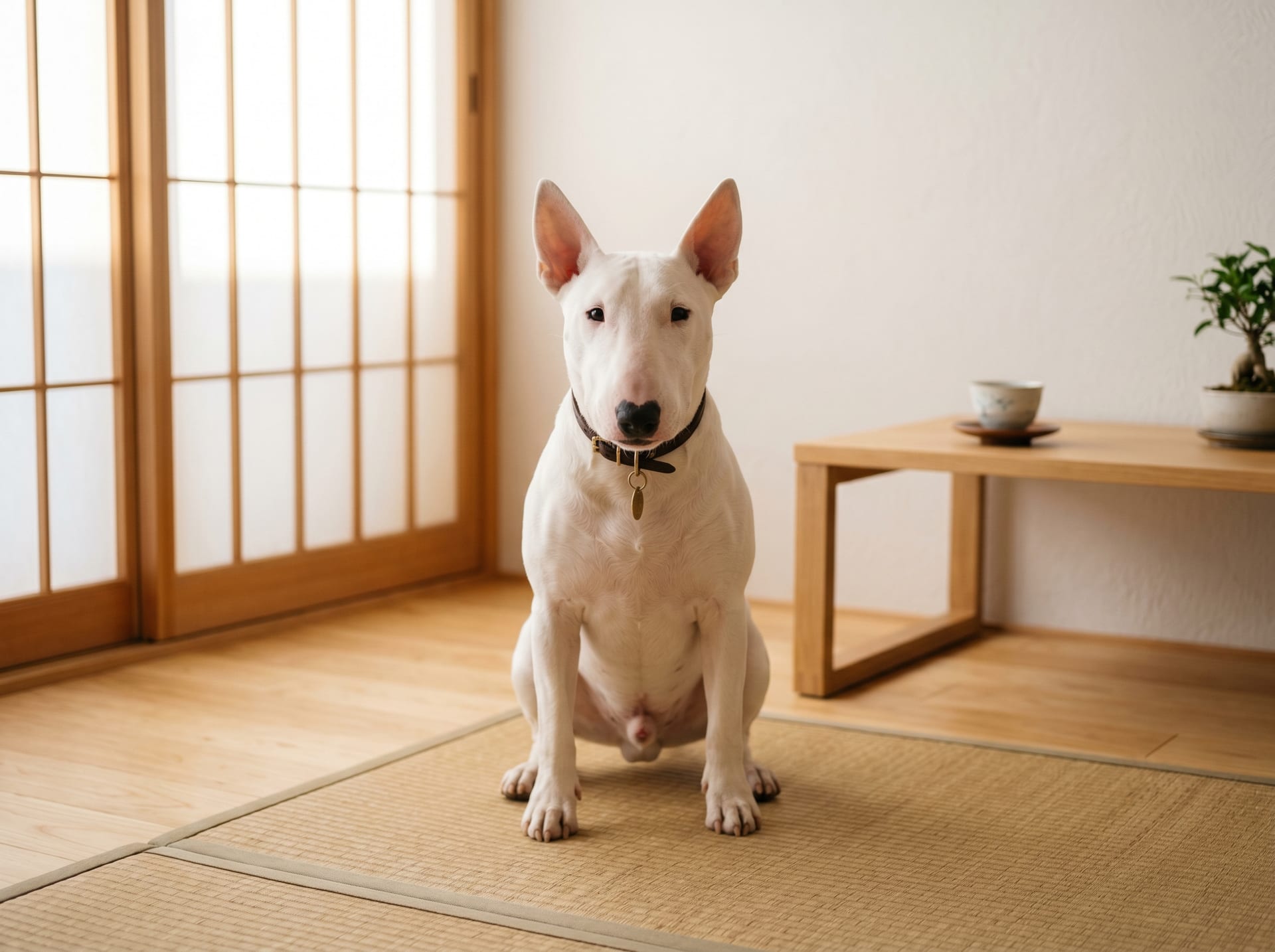
Miniature Bull Terrier
Smaller version of the Bull Terrier. Distinctive egg-shaped head and unique expression, mischievous and fun-loving.
View Miniature Bull Terrier encyclopedia →- Price Range
- ¥200,000〜¥548,000
0% commission on your first sales!Register by September 30, 2026 and your first 2 sales are commission-free!
Breeder Wanted!
List on BreederDirect and sell directly to customers nationwide!
4 Trust Pillars from BreederDirect
All puppy listings include full disclosure from verified Breeder. BreederDirect enforces legally-mandated standards for safe, transparent direct purchases.
- MicrochipRequired
- Vaccinated
- Health Exam
- Pedigree Certificate
※ Microchip implantation is mandatory for breeders under Japan's Animal Protection Law (effective June 2022).
Secure transaction guarantee
Dogs & cats onlyEvery BreederDirect transaction is covered by our transaction guarantee. If you cannot receive your pet, you will be fully refunded. A health guarantee also covers you after handover.
Learn about transaction safety →Browse all 129 breeds
Verified breeders wanted for Dogs
Breeders are signing up now ahead of launch. Subscribe to be notified when new listings go live.
Getting alerts is free with a member account. When new listings match your saved search, we'll notify you by email and in-app.
Browse other categories
Verified breeders (preview)
Miniature Bull Terrier key facts
- Care level
- Intermediate
- Lifespan
- 11-14 years
- Size
- 11-15kg
- Diet
- Dry food, high protein recommended
- Temperament
- Fun-loving and mischievous, can be stubborn
- Exercise
- 40-60 minutes daily walks and play
- Coat Care
- Short coat, easy maintenance
- Origin
- United Kingdom
- Notes
- Watch for kidney disease, firm training needed
About Miniature Bull Terrier
The Miniature Bull Terrier was developed in 19th-century Britain by selectively breeding down the Bull Terrier—originally a fighting dog—into a more compact companion. Today's breed retains terrier tenacity while displaying a distinctly cheerful, even clownish personality. Its most iconic feature is the egg-shaped head: smooth and oval from the front, with a gently curving profile, small triangular ears, and deep-set eyes that give it an unmistakable expression. Despite their modest stature, these dogs are solidly built with a muscular, well-boned frame that belies their size. They are devoted to their families, playful with children, and entertaining in everyday situations. The short, flat coat is relatively easy to maintain, making the breed an appealing choice for owners who want personality without high grooming demands.
7 things to know before welcoming a Miniature Bull Terrier
1More Exercise Than You'd Think
Despite their small size, Miniature Bull Terriers are high-energy dogs that need around 60 minutes of exercise daily, ideally split into two walks. Without sufficient activity, they can become destructive or restless indoors. Access to a yard or dog park is a great outlet for burning off energy.
2Training a Stubborn Breed
Miniature Bull Terriers are intelligent but strong-willed, and may choose to ignore commands when it suits them. Consistent rules and short, focused training sessions from puppyhood are key. Positive reinforcement with treats works well; punishment-based methods often backfire with this breed.
3Skin and Coat Care
The short, dense coat is low-maintenance and a weekly brush is usually enough to keep it clean. However, white-coated individuals can be prone to skin allergies and sunburn. If you notice redness or itching, consult a veterinarian promptly rather than waiting to see if it resolves on its own.
4Know the Hereditary Conditions
The breed has known predispositions to congenital deafness (especially in white dogs), patellar luxation, and polycystic kidney disease. When acquiring from a breeder, ask about health screening records for the parents. Regular veterinary check-ups help catch potential issues early.
5Diet and Weight Management
A high-protein dry food fed twice daily in measured portions suits this breed well. Many Miniature Bull Terriers have strong appetites, so free-feeding can quickly lead to weight gain. Keep training treats small and account for them in the daily calorie total to maintain a healthy weight.
6Compatibility with Kids and Pets
Miniature Bull Terriers enjoy playing with children, but their boisterous style can be overwhelming for toddlers, so adult supervision is advised. They can show same-sex dog aggression, making early socialization essential in multi-dog households. Their prey drive may trigger chasing behavior toward cats or small animals, requiring careful, gradual introductions.
7Long-Term Cost Planning
Purchase prices in Japan typically range from roughly 200,000 to 500,000 yen, varying by pedigree and breeder. Annual costs including food, veterinary care, and supplies can run 200,000–300,000 yen or more. Given the breed's hereditary health risks, pet insurance is worth considering to manage unexpected medical expenses.
Frequently asked questions about Miniature Bull Terrier
- Q.Can I keep one in an apartment or small home?
- A.Their compact size makes apartment living feasible, provided you commit to daily walks and adequate playtime. Be aware that some individuals can be vocal, so training and consideration for neighbors are important.
- Q.Is this breed suitable for first-time dog owners?
- A.Their stubborn, independent temperament makes them better suited to experienced owners. First-timers can succeed but should seek professional training support early on.
- Q.Is it true that white Miniature Bull Terriers can be deaf?
- A.Yes, white-coated individuals have a higher genetic predisposition to congenital deafness, which may affect one or both ears. It is advisable to request BAER (Brainstem Auditory Evoked Response) test results before acquiring a white puppy.
- Q.Can they live with children or elderly family members?
- A.They are generally friendly and playful with children, but their boisterous energy can knock over small children or elderly individuals. Adult supervision during interactions is strongly recommended.
- Q.What is the lifespan and main health concern?
- A.The average lifespan is 11–14 years. Hereditary nephritis (kidney disease) is among the leading causes of death in the breed, so regular urinalysis and kidney function monitoring are key to supporting a long, healthy life.
Useful tools for Miniature Bull Terrier care
Learn more about Miniature Bull Terrier in the encyclopedia
View Miniature Bull Terrier encyclopedia entry →
Care difficulty, lifespan, size and diet — all basics covered.
More in this category
Can't find the one you're looking for?
Post your wishes for free and breeders with matching animals will contact you with introductions.