
Toy Poodle
Highly intelligent and trainable small dog with low-shedding coat, ideal for first-time owners.
View Toy Poodle encyclopedia →- Price Range
- ¥200,000〜¥548,000
0% commission on your first sales!Register by September 30, 2026 and your first 2 sales are commission-free!
Breeder Wanted!
List on BreederDirect and sell directly to customers nationwide!
4 Trust Pillars from BreederDirect
(Verified across 7 listings)All puppy listings include full disclosure from verified Breeder. BreederDirect enforces legally-mandated standards for safe, transparent direct purchases.
- MicrochipRequired
- Vaccinated
- Health Exam
- Pedigree Certificate
※ Microchip implantation is mandatory for breeders under Japan's Animal Protection Law (effective June 2022).
Secure transaction guarantee
Dogs & cats onlyEvery BreederDirect transaction is covered by our transaction guarantee. If you cannot receive your pet, you will be fully refunded. A health guarantee also covers you after handover.
Learn about transaction safety →Browse all 129 breeds
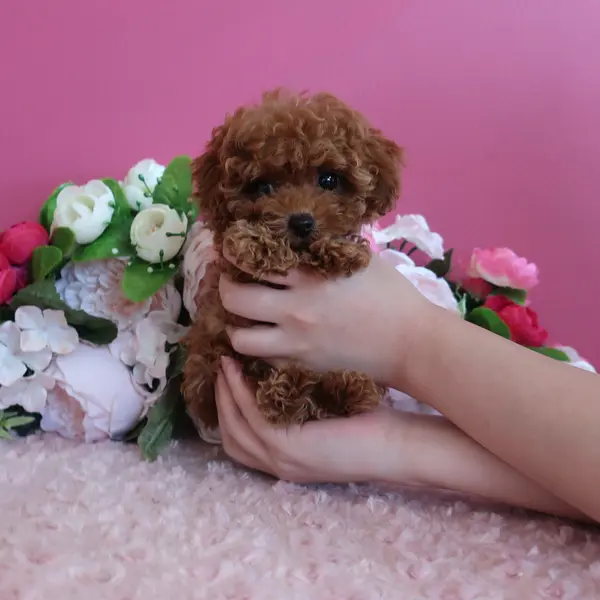
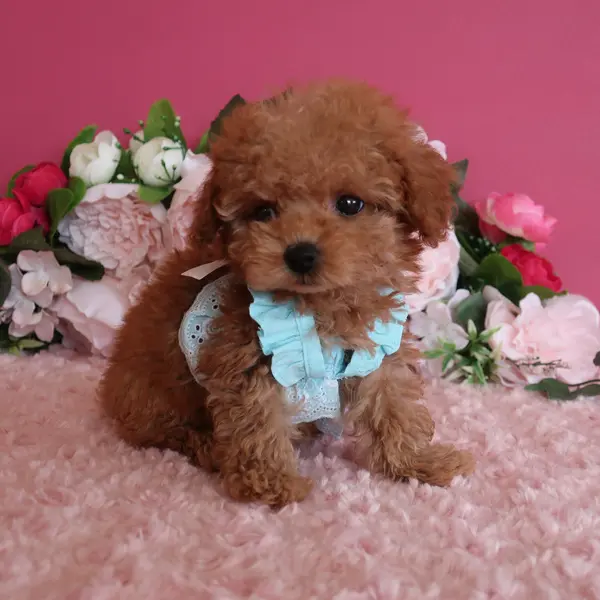
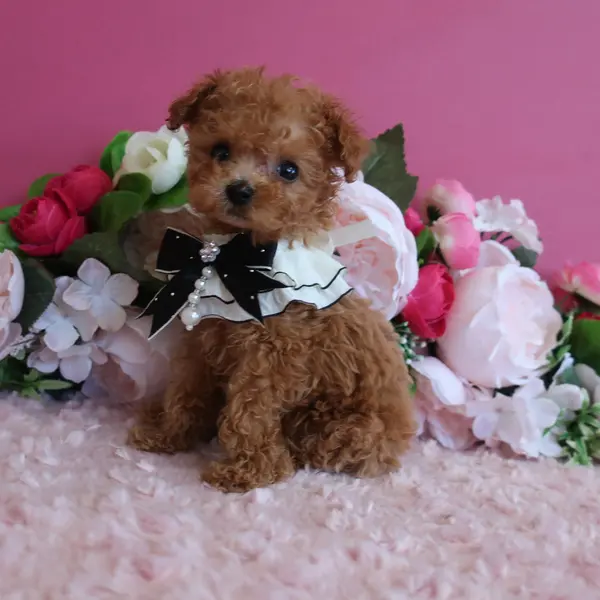
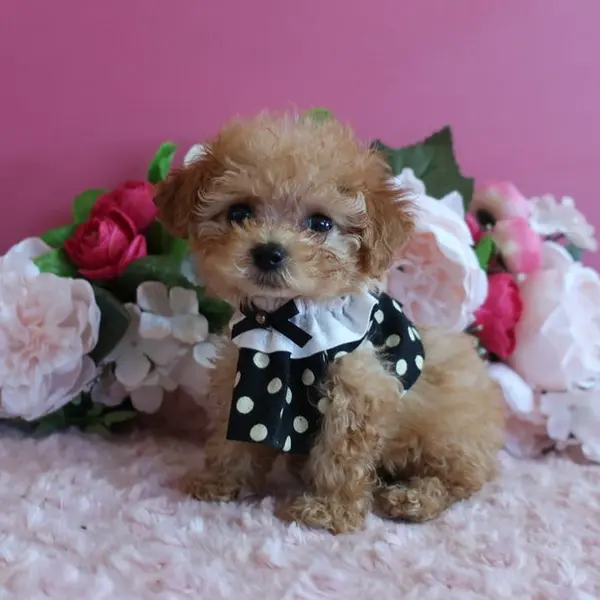
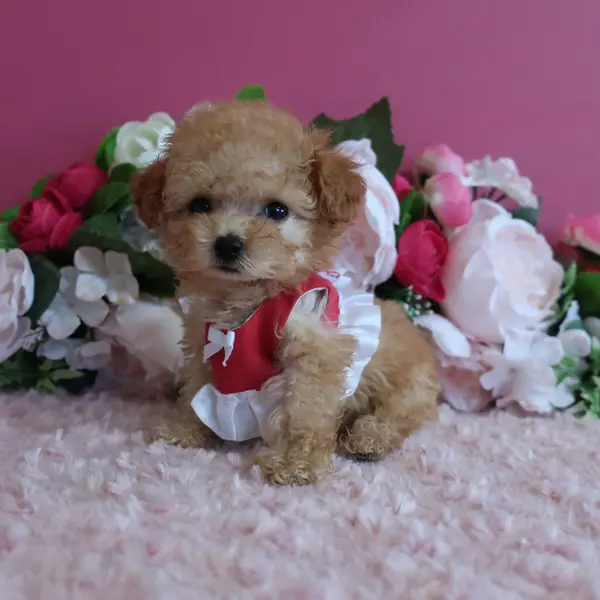
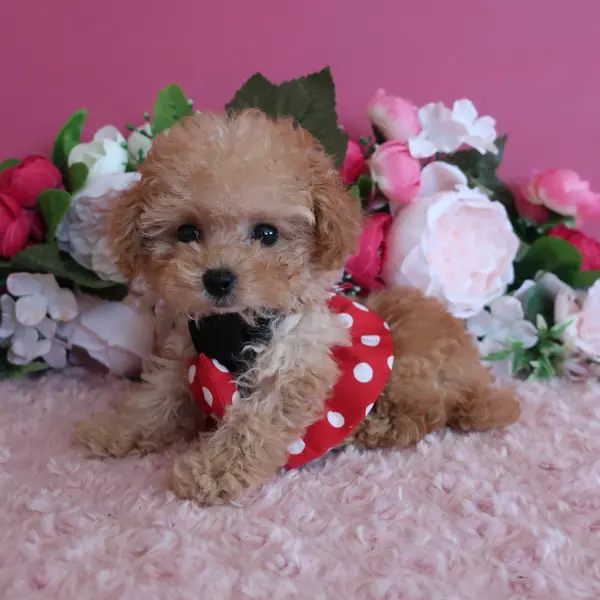
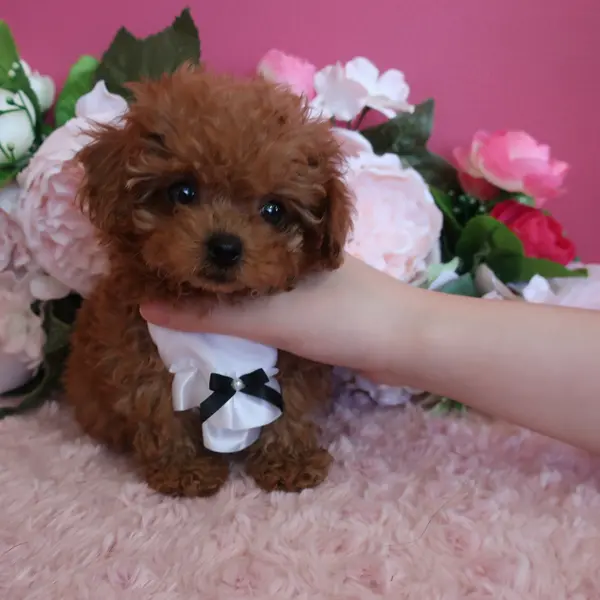
Toy Poodle key facts
- Care level
- Beginner-friendly
- Lifespan
- 12-15 years
- Size
- Height 24-28cm / Weight 3-4kg
- Diet
- High-quality small-breed dog food. Two meals per day recommended.
- Temperament
- Curious, cheerful, highly intelligent, and sociable
- Exercise
- 30-60 min walk daily. Indoor play also recommended.
- Coat Care
- Curly, low-shedding coat. Regular grooming every 4-6 weeks needed.
- Origin
- Germany (refined in France)
- Notes
- Prone to patellar luxation and PRA. Regular vet checkups recommended.
About Toy Poodle
The Toy Poodle traces its origins to the Poodle, which was bred in Germany and France as a water retriever for hunting waterfowl. The smallest of the Poodle varieties, the Toy was refined as a companion dog and became a favorite among European aristocracy before gaining worldwide popularity. Its tightly curled, low-shedding coat comes in a wide range of colors and contributes to its distinctive silhouette. Weighing around 3 kilograms, the Toy Poodle is well suited to apartment living. In terms of temperament, it is cheerful, affectionate, and emotionally expressive. Ranked among the most intelligent dog breeds, it picks up commands quickly, making training approachable even for first-time owners. Its sociable nature means it gets along well with the whole family, including children and elderly members. Combining an endearing appearance with a warm personality, the Toy Poodle has consistently remained one of the most beloved dog breeds in the world.
Toy Poodle price range
Lowest
¥410,000
Average
¥487,143
Highest
¥548,000
Based on 7 current listings
Find Toy Poodle by prefecture
Featured breeders for Toy Poodle
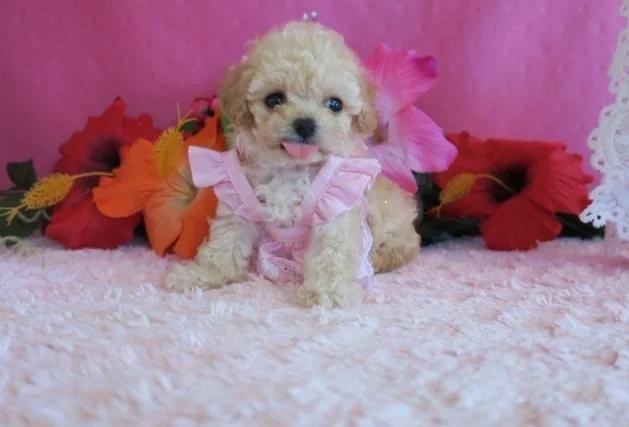 中村美美 Breeder鹿児島県7 Toy Poodle listings尾崎広美 Breeder埼玉県0 Toy Poodle listings刘宇婷 Breeder岐阜県0 Toy Poodle listings
 山元優美 Breeder京都府0 Toy Poodle listings
7 things to know before welcoming a Toy Poodle
1Regular Grooming Is a Must
Toy Poodle coats grow continuously and require professional grooming every 4 to 6 weeks. Without regular trimming, the coat can mat and lead to skin problems. Budget approximately 5,000–10,000 yen per month for grooming costs.
2Keep Their Mind Stimulated
Their high intelligence means that a lack of mental stimulation can lead to unwanted behaviors. Incorporate puzzle feeders and daily training sessions to keep their minds engaged. Even short but consistent mental exercise each day makes a significant difference.
3Watch for Patellar Luxation
Toy Poodles are known to be prone to patellar luxation (loose kneecaps). Using non-slip mats on floors and providing steps to discourage jumping off furniture can help reduce the risk. Regular veterinary check-ups are recommended for early detection.
4Prone to Separation Anxiety
Their affectionate nature makes many Toy Poodles prone to separation anxiety when left alone for long periods. Gradually training puppies to be comfortable alone from an early age is important. If your lifestyle involves extended absences, consider whether your routine can accommodate their social needs.
5Wide Variety of Coat Colors
Toy Poodles come in a wide range of colors including black, white, apricot, and red. However, many individuals experience "fading," where coat color lightens as they mature. If color is important to you, ask the breeder about the fading tendencies of the parent dogs.
6Manage Diet to Maintain Weight
As a small breed, Toy Poodles can easily become overweight even with modest portions, which can strain their joints and heart. Follow feeding guidelines based on your dog's age and weight, and be careful not to over-treat. Regularly weighing and tracking your dog's weight is a helpful habit.
7Moderate Daily Exercise Is Enough
Toy Poodles don't require intense exercise, but 20 to 30 minutes of daily walks or play is essential for their physical and mental well-being. Indoor fetch or training sessions are effective complements on days when outdoor activity is limited. They can expend sufficient energy indoors when the weather is poor.
Frequently asked questions about Toy Poodle
- Q.Do Toy Poodles really shed very little?
- A.Yes, Toy Poodles shed significantly less than most other breeds. However, their coat grows continuously and requires regular trimming. They are not guaranteed to be allergen-free, so individuals with allergies should consult a veterinarian before bringing one home.
- Q.Can Toy Poodles be kept by someone living alone?
- A.It is possible, but Toy Poodles are prone to separation anxiety, so frequent long absences require careful management. Training them from puppyhood to feel comfortable alone, and dedicating quality playtime after returning home, helps maintain their wellbeing.
- Q.What is the typical lifespan of a Toy Poodle?
- A.Toy Poodles typically live between 12 and 15 years, making them one of the longer-lived small breeds. Proper nutrition, regular exercise, and routine veterinary care all contribute to a longer, healthier life.
- Q.How many coat colors do Toy Poodles come in?
- A.Toy Poodles come in a wide variety of colors including black, white, red, apricot, silver, and cream. Keep in mind that coat color can change as they mature, so the color seen in puppyhood may not remain exactly the same in adulthood.
- Q.Are Toy Poodles suitable for families with young children?
- A.Their sociable and gentle temperament makes them well suited to families with children. However, their small size means they can be injured by rough handling from very young children. Adult supervision is important to ensure safe and positive interactions between the dog and children.
Useful tools for Toy Poodle care
Learn more about Toy Poodle in the encyclopedia
View Toy Poodle encyclopedia entry →
Care difficulty, lifespan, size and diet — all basics covered.
Toy Poodle related articles
Complete Guide to Canine Patellar Luxation (Patella) | Symptoms, Grades, Treatment, Prevention, and Daily Care
A comprehensive guide to patellar luxation (patella), common in small dog breeds—covering symptoms, grade classification, treatment methods, surgical procedures, rehabilitation, and prevention strategies. Essential reading for owners of Chihuahuas, Toy Poodles, and Pomeranians.
How Many Days Is a Dog's Pregnancy? A Guide to Dystocia Risk in Small Dogs and Handling Delivery Complications
A dog's pregnancy lasts an average of 63 days from mating (63 days ±1 day from ovulation). This guide explains to breeders why dystocia occurs more easily in Chihuahuas, Toy Poodles, and brachycephalic breeds, the timeline for normal delivery, danger signs, and how to decide on cesarean section.
Toy Poodle Health Care Guide | Prevention and Care for Tear Staining, Patellar Luxation, Periodontal Disease, and Otitis
A comprehensive explanation of the causes and prevention strategies for tear staining, patellar luxation (patella), periodontal disease, and otitis, which Toy Poodles are prone to. Covers daily tear-stain care methods, restricting jumping from high places and weight management, gradual acclimation to tooth brushing, ear hair management and ear cleaning procedures, and age-appropriate regular health check schedules—a practical care guide for longevity.
Dog Patellar Luxation: Symptoms, Grading, Surgery, and Management Guide
A comprehensive guide to patellar luxation (patella) in small breeds, covering symptoms, severity grades (1–4), surgical necessity assessment, post-operative rehabilitation methods, and preventive muscle-strengthening exercises. Essential information for owners of Chihuahuas, Pomeranians, and Toy Poodles.
Breed-Specific Health Issues Guide — Common Genetic Conditions in Popular Dog Breeds
Guide to hereditary health conditions in popular dog breeds: Toy Poodle, Shiba Inu, French Bulldog, Chihuahua, and Retriever-specific risks and prevention.
Top 5 Dog Breeds Recommended for First-Time Dog Owners | Carefully Selected Easy-to-Raise Breeds
5 dog breeds for beginners. Explanation of easy-to-raise breeds including Toy Poodles, Shiba Inus, Miniature Dachshunds, and more.
More in this category
Can't find the one you're looking for?
Post your wishes for free and breeders with matching animals will contact you with introductions.