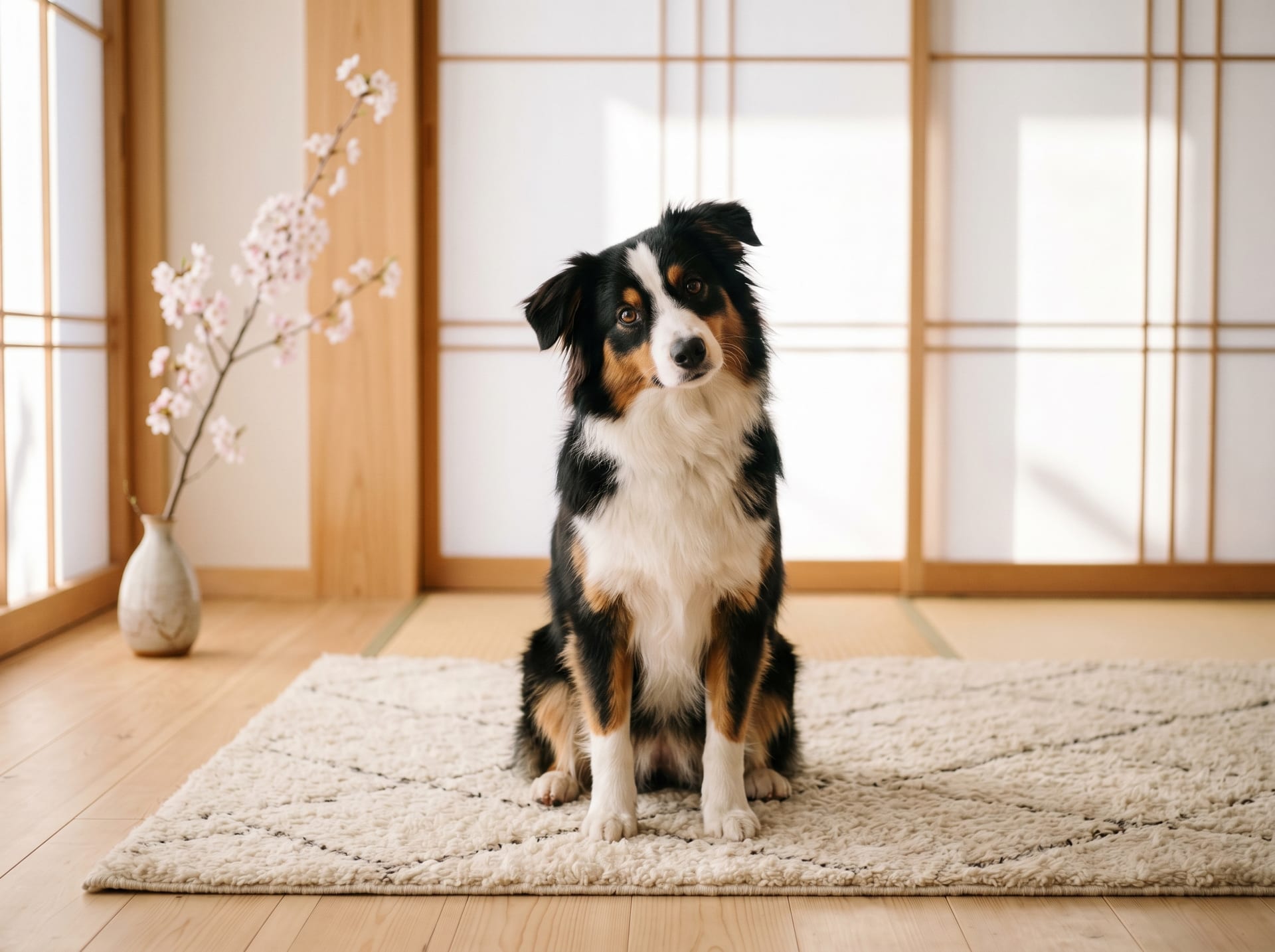
Smaller version of the Australian Shepherd. Smart and active with high working ability in a compact body.
View Miniature American Shepherd encyclopedia →First 3 sales - 0% commission!Register as a breeder by July 31, 2026 and your first 3 sales are commission-free!
Breeder Wanted!
List on BreederDirect and sell directly to customers nationwide!
All puppy listings include full disclosure from verified Breeder. br-choku enforces legally-mandated standards for safe, transparent direct purchases.
※ Microchip implantation is mandatory for breeders under Japan's Animal Protection Law (effective June 2022).
Every br-choku transaction is covered by our transaction guarantee. If you cannot receive your pet, you will be fully refunded. A health guarantee also covers you after handover.
Breeders are signing up now ahead of launch. Subscribe to be notified when new listings go live.
Getting alerts is free with a member account. When new listings match your saved search, we'll notify you by email and in-app.
Are you raising dogs?
Register as a breeder and connect with buyers directly.
The Miniature American Shepherd is a relatively modern breed developed in the United States during the 1960s and 70s through selective breeding of smaller Australian Shepherds. Originally prized as a portable herding dog among rodeo and cowboy circles, it gained AKC recognition in 2015. In appearance it closely mirrors the Australian Shepherd in miniature, displaying the same striking merle, black, and red coat patterns along with characteristic blue or brown eyes—sometimes one of each. Personality-wise, the breed is intelligent, loyal, and deeply affectionate with family, while tending to be somewhat reserved with strangers at first. The high drive for both physical exercise and mental challenges makes this breed an ideal match for active owners. With proper socialization and training, the Miniature American Shepherd adapts well to various living situations and becomes a devoted, long-lived companion for the entire family.
1High Exercise Needs
As a herding breed, they require 1–2 hours of daily exercise. In addition to walks, activities that engage both mind and body—such as fetch or agility training—help keep them content. Insufficient exercise can lead to stress and unwanted behaviors.
2Smart but Needs Structure
They learn quickly, but without adequate mental stimulation they will find their own—often undesirable—ways to stay busy. Starting consistent training from puppyhood is important. First-time owners can manage, but should expect to invest significant time and patience.
3Coat Care and Shedding
Their medium-length double coat sheds considerably, especially during spring and fall shedding seasons. Brushing 2–3 times a week is standard, with near-daily brushing during heavy shedding periods. Professional trimming isn't required, but the ears and paw pads should be tidied regularly.
4Watch for Hip and Eye Issues
Hip dysplasia and progressive retinal atrophy (PRA) are health concerns associated with this breed. Sourcing from health-tested breeders and scheduling regular veterinary check-ups supports early detection. Some individuals carry the MDR1 gene mutation, which causes sensitivity to certain medications—inform your vet in advance.
5Estimated Ownership Costs
Monthly food costs for a dry kibble diet typically run ¥3,000–¥6,000 depending on size. Factoring in annual vaccinations, wellness exams, and flea/tick prevention, expect roughly ¥30,000–¥80,000 per year in healthcare costs. Trimming costs are minimal, but budgeting for puzzle toys and enrichment items is worthwhile.
View Miniature American Shepherd encyclopedia entry →
Care difficulty, lifespan, size and diet — all basics covered.
6Life with Kids and Other Pets
They are affectionate with family and, when properly socialized, do well with children and other dogs. However, herding instincts may cause them to chase small children or animals, so early socialization and supervised interactions are important.
7Strong Emotional Bond
They form strong attachments to their owners and are prone to separation anxiety if left alone for extended periods. They thrive in households where someone is home regularly or where the dog can accompany family members on outings. Puzzle toys and enrichment items can help ease time spent alone.