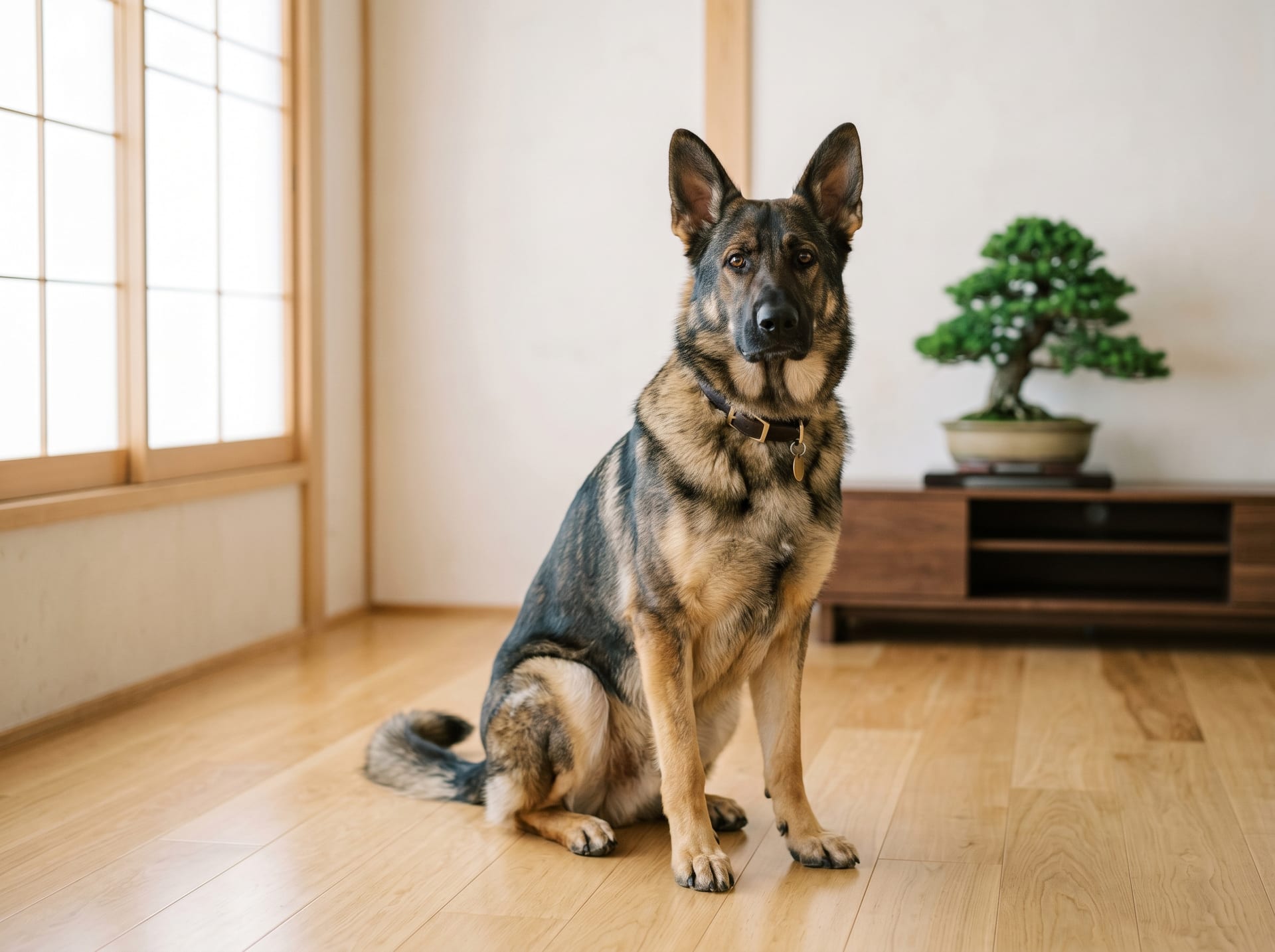
German Shepherd
World-renowned police and military dog. Highly intelligent, loyal, and athletic.
View German Shepherd encyclopedia →- Price Range
- ¥200,000〜¥660,000
0% commission on your first sales!Register by September 30, 2026 and your first 2 sales are commission-free!
Breeder Wanted!
List on BreederDirect and sell directly to customers nationwide!
4 Trust Pillars from BreederDirect
All puppy listings include full disclosure from verified Breeder. BreederDirect enforces legally-mandated standards for safe, transparent direct purchases.
- MicrochipRequired
- Vaccinated
- Health Exam
- Pedigree Certificate
※ Microchip implantation is mandatory for breeders under Japan's Animal Protection Law (effective June 2022).
Secure transaction guarantee
Dogs & cats onlyEvery BreederDirect transaction is covered by our transaction guarantee. If you cannot receive your pet, you will be fully refunded. A health guarantee also covers you after handover.
Learn about transaction safety →Browse all 129 breeds
Verified breeders wanted for Dogs
Breeders are signing up now ahead of launch. Subscribe to be notified when new listings go live.
Getting alerts is free with a member account. When new listings match your saved search, we'll notify you by email and in-app.
Browse other categories
Verified breeders (preview)



German Shepherd key facts
- Care level
- Intermediate
- Lifespan
- 10-13 years
- Size
- Height 55-65cm / Weight 22-40kg
- Diet
- High-quality large-breed food. Joint health formulas recommended.
- Temperament
- Highly intelligent and loyal. Strong protective instinct; reliable partner.
- Exercise
- 90+ min exercise daily. Training and dog sports for mental stimulation.
- Coat Care
- Double coat with heavy seasonal shedding. Brush 3-4 times weekly.
- Origin
- Germany
- Notes
- High risk of hip/elbow dysplasia. Watch for degenerative myelopathy.
About German Shepherd
The German Shepherd was systematically developed in late 19th-century Germany with the goal of creating the ideal military and police dog. Under the vision of founder Max von Stephanitz—who sought the ultimate working dog—the breed was established as one combining intelligence, physical strength, and loyalty at the highest level. The breed has a well-balanced, muscular build with erect ears and almond-shaped eyes, and comes in two coat varieties: short and long. Common colors include black and tan, sable, and solid black. In temperament, German Shepherds are courageous and confident, yet deeply devoted to their owners, and when raised properly, they are gentle with children and family members. Their greatest appeal lies in their outstanding trainability, which allows them to serve as true partners in daily life, deepening the bond with their owners through training and shared activity.
7 things to know before welcoming a German Shepherd
1Space for a Large Breed
As a large breed reaching up to 65 cm in height, German Shepherds need ample living space. Apartment living is possible, but ensuring sufficient daily exercise is essential. Access to a large yard or dog run is ideal.
2Daily Exercise Needs
With high energy levels, German Shepherds need around 1–2 hours of exercise per day. Insufficient activity can lead to stress and behavioral problems. Activities that combine physical and mental stimulation, such as fetch or nose work, are particularly effective.
3Heavy Shedding Year-Round
German Shepherds have a double coat and shed heavily, especially during spring and fall shedding seasons. Brushing several times a week is necessary to manage loose fur and keep the coat healthy. Those with pet allergies or sensitivity to fur should consider this carefully.
4Training Is Essential
Their high intelligence means they learn quickly, but without clear boundaries, they may act independently. Consistent training and early socialization starting in puppyhood are especially important. First-time owners may benefit from working with a professional trainer.
5Hip Dysplasia Risk
German Shepherds are known to be prone to hip dysplasia, a condition affecting joint development. Excessive exercise during growth stages and obesity can increase the risk, so proper weight management is important. Regular veterinary check-ups including X-ray screening are recommended.
6Managing Their Guard Instinct
German Shepherds have strong guarding instincts and may bark or act defensively toward strangers or other dogs. Early and broad socialization—exposing them to people, environments, and other animals—is essential. With proper upbringing, they can also be calm and friendly companions.
7Estimated Cost of Ownership
As a large breed, food, veterinary, and supply costs tend to be higher than for small dogs. Monthly food costs are roughly 5,000–10,000 yen, and routine veterinary care adds to ongoing expenses. Pet insurance that covers large-breed conditions such as hip dysplasia is worth considering.
Frequently asked questions about German Shepherd
- Q.Is the German Shepherd suitable for first-time dog owners?
- A.German Shepherds are highly trainable and quick to learn, but their size, strength, and assertive nature make them a moderately challenging breed for first-time owners. With commitment to early training and guidance from a professional trainer, first-time owners can successfully raise one.
- Q.Can they live well with children and other pets?
- A.German Shepherds raised as part of the family from a young age can be warm and gentle with children. They can coexist with other pets when properly socialized, but due to their size and energy, interactions should always be supervised to prevent accidental roughhousing.
- Q.How much exercise does a German Shepherd need?
- A.Aim for approximately 1–2 hours of exercise per day. In addition to walks, activities that provide mental stimulation—such as tracking, fetch, or agility training—are especially beneficial. Insufficient exercise often leads to behavioral issues and anxiety, so consistent daily activity is important.
- Q.How bad is the shedding?
- A.German Shepherds shed year-round, with heavy shedding during the spring and fall coat transitions. Regular brushing several times a week and frequent vacuuming are necessary. Managing fur on upholstered furniture and in vehicles requires some extra effort and preparation.
- Q.What health issues are common in German Shepherds?
- A.Hip dysplasia and degenerative myelopathy (DM) are among the most common health concerns in German Shepherds. They are also at risk for gastric dilatation-volvulus (GDV), so vigorous exercise immediately after meals should be avoided. Regular veterinary check-ups are important for early detection and timely intervention.
Useful tools for German Shepherd care
Learn more about German Shepherd in the encyclopedia
View German Shepherd encyclopedia entry →
Care difficulty, lifespan, size and diet — all basics covered.
German Shepherd related articles
See more German Shepherd articles →More in this category
Can't find the one you're looking for?
Post your wishes for free and breeders with matching animals will contact you with introductions.