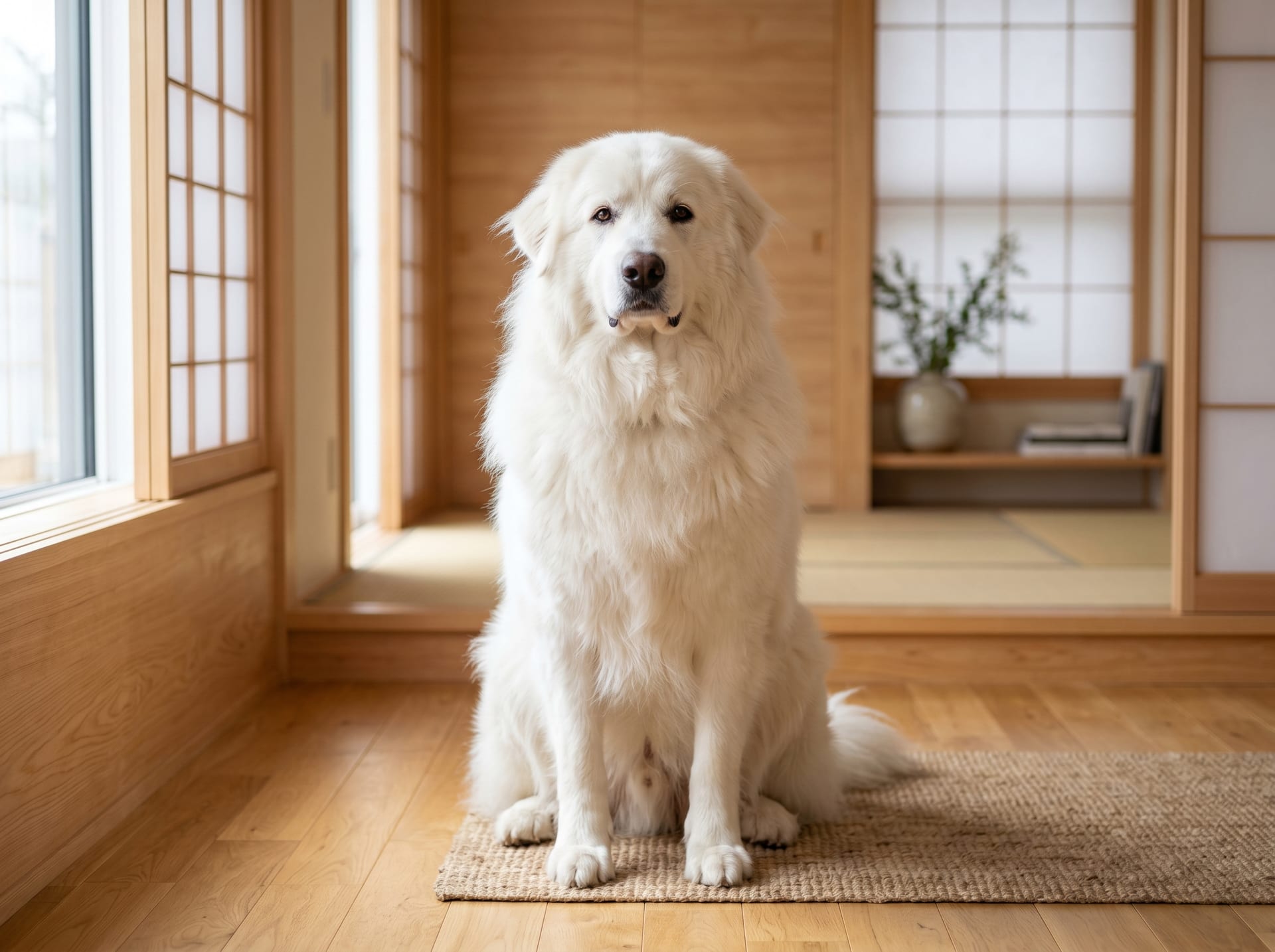
Great Pyrenees
Massive white guardian from the Pyrenees. Calm and dignified. Independent thinker.
View Great Pyrenees encyclopedia →- Price Range
- ¥200,000〜¥548,000
0% commission on your first sales!Register by September 30, 2026 and your first 2 sales are commission-free!
Breeder Wanted!
List on BreederDirect and sell directly to customers nationwide!
4 Trust Pillars from BreederDirect
All puppy listings include full disclosure from verified Breeder. BreederDirect enforces legally-mandated standards for safe, transparent direct purchases.
- MicrochipRequired
- Vaccinated
- Health Exam
- Pedigree Certificate
※ Microchip implantation is mandatory for breeders under Japan's Animal Protection Law (effective June 2022).
Secure transaction guarantee
Dogs & cats onlyEvery BreederDirect transaction is covered by our transaction guarantee. If you cannot receive your pet, you will be fully refunded. A health guarantee also covers you after handover.
Learn about transaction safety →Browse all 129 breeds
Verified breeders wanted for Dogs
Breeders are signing up now ahead of launch. Subscribe to be notified when new listings go live.
Getting alerts is free with a member account. When new listings match your saved search, we'll notify you by email and in-app.
Browse other categories
Verified breeders (preview)

Great Pyrenees key facts
- Care level
- Intermediate
- Lifespan
- 10-12 years
- Size
- Height 63-81cm / Weight 36-54kg
- Diet
- High-quality giant-breed food.
- Temperament
- Calm and dignified. Very strong protective instinct.
- Exercise
- 45-60 min walk daily. Prefers calm patrol-style walks.
- Coat Care
- Long thick double coat; heavy shedding. Brush 3-4 times weekly.
- Origin
- France
- Notes
- Tends to bark at night. Watch for hip dysplasia and osteosarcoma.
About Great Pyrenees
The Great Pyrenees traces its origins to the Pyrenees Mountains of medieval Europe, where it was selectively bred over centuries to guard flocks of sheep and cattle against wolves and bears along the French-Spanish border. By the 17th century, the breed had earned favor in the French royal court and was celebrated as the "Royal Dog of France." Its most striking feature is a thick, snow-white double coat perfectly adapted to harsh mountain winters. The body is massive and powerfully built, with a naturally dignified gait that commands attention. In temperament, the breed is calm and patient by nature, yet retains a vigilant watchdog instinct when faced with strangers or unfamiliar situations. Deeply devoted to family members, they show a particular instinct to protect children and more vulnerable individuals. For those who have the space, time, and commitment that this breed demands, the combination of gentle loyalty and quiet majesty makes the Great Pyrenees a uniquely rewarding companion.
5 things to know before welcoming a Great Pyrenees
1Space for a Giant
Adults reaching 36–54 kg thrive best in a house with a garden rather than an apartment. They need ample indoor space to stretch out and a sturdy large-breed bed. They are sensitive to heat, so air conditioning during summer is essential.
2Nighttime Barking Tendency
Great Pyrenees have an instinctive habit of barking while patrolling their territory at night—a behavior rooted in centuries of livestock guarding. It is difficult to eliminate entirely through training. Consider the impact on neighbors before choosing this breed in urban areas.
3Heavy Shedding & Coat Care
Their thick double-layered white coat sheds heavily, especially during shedding seasons. Brushing 2–3 times per week is standard, with daily grooming during peak shedding periods. While the coat naturally repels dirt, regular bathing and thorough drying take considerable time and effort.
4Independence & Leadership
Great Pyrenees are bred to make independent decisions rather than await commands, so obedience training requires patience. Consistent rules and gentle positive reinforcement work far better than harsh corrections. Early and thorough socialization during puppyhood is key to harmonious long-term cohabitation.
5Compatibility with Kids & Pets
Their strong protective instinct makes them generally gentle and tolerant with children and other household animals. However, their sheer size means even accidental contact can knock over small children. Introduce them safely to all family members and other pets from puppyhood to build positive associations.
Frequently asked questions about Great Pyrenees
- Q.Can I keep a Great Pyrenees in an apartment?
- A.A house with a large garden is strongly preferred, as their size and tendency to bark at night can cause stress for both the dog and neighbors in apartment settings. Careful consideration is needed before choosing apartment living.
- Q.How much exercise does a Great Pyrenees need?
- A.Moderate daily walks—around 60–90 minutes in two sessions—are generally sufficient rather than intense exercise. During puppyhood, avoid excessive running or jumping to protect developing joints.
- Q.Do they really shed that much?
- A.Yes, especially during spring and autumn shedding seasons, the volume of white fur is substantial. Regular brushing and frequent vacuuming become a necessary part of daily life with this breed.
- Q.Is this breed suitable for first-time dog owners?
- A.Due to their strong independence and the patience required for training, this breed is generally better suited to experienced dog owners. First-time owners should strongly consider working with a professional trainer from puppyhood onward.
- Q.Do they get along with other dogs or cats?
- A.When raised alongside other dogs or cats from puppyhood, they generally coexist peacefully. Introducing a Great Pyrenees to a multi-pet household as an adult requires a careful, gradual introduction process.
Useful tools for Great Pyrenees care
Learn more about Great Pyrenees in the encyclopedia
View Great Pyrenees encyclopedia entry →
Care difficulty, lifespan, size and diet — all basics covered.
More in this category
Can't find the one you're looking for?
Post your wishes for free and breeders with matching animals will contact you with introductions.