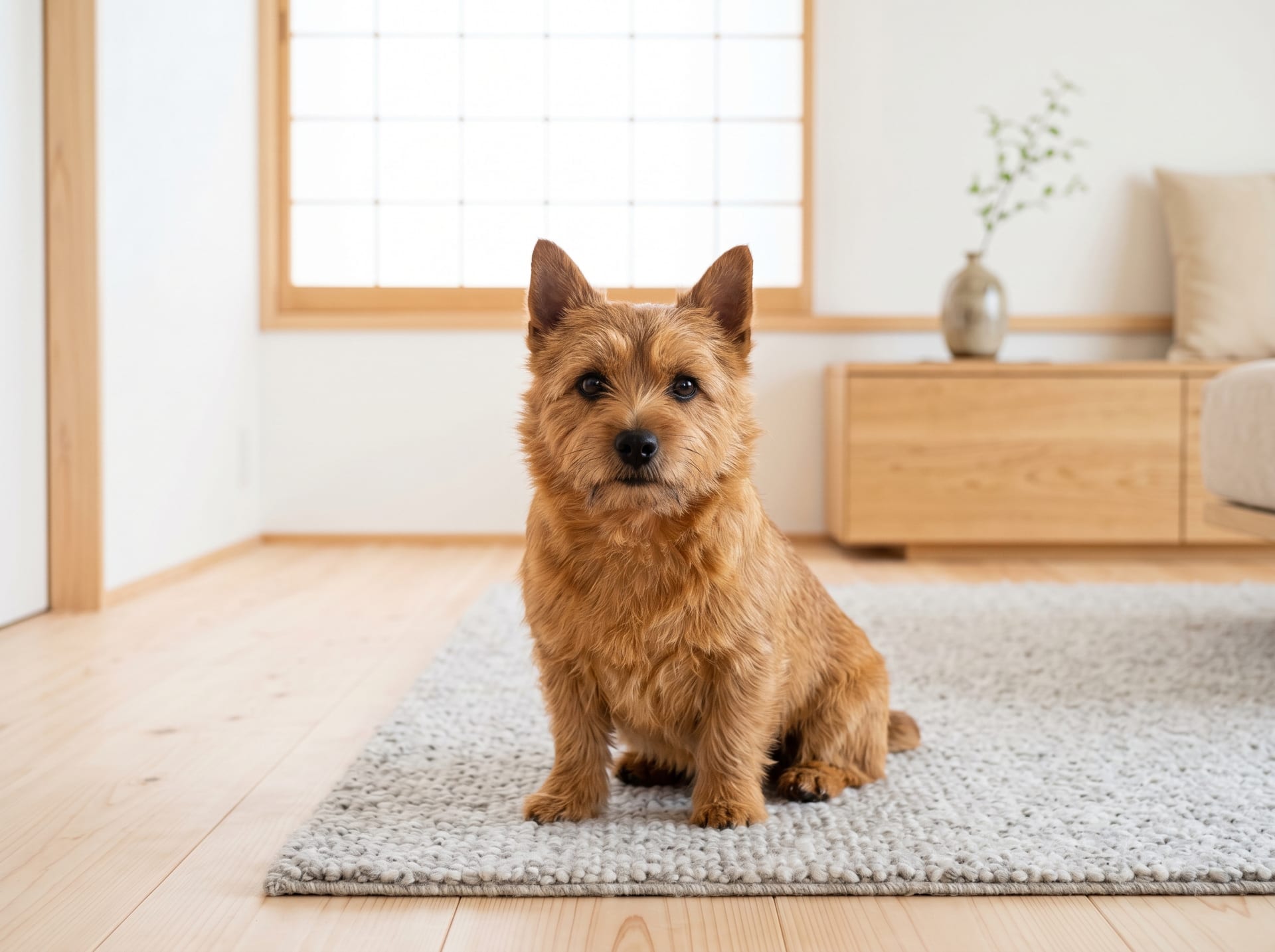
Norwich Terrier
Small terrier similar to Norfolk Terrier. Distinguished by erect ears, big courage in a small body.
View Norwich Terrier encyclopedia →- Price Range
- ¥200,000〜¥660,000
0% commission on your first sales!Register by September 30, 2026 and your first 2 sales are commission-free!
Breeder Wanted!
List on BreederDirect and sell directly to customers nationwide!
4 Trust Pillars from BreederDirect
All puppy listings include full disclosure from verified Breeder. BreederDirect enforces legally-mandated standards for safe, transparent direct purchases.
- MicrochipRequired
- Vaccinated
- Health Exam
- Pedigree Certificate
※ Microchip implantation is mandatory for breeders under Japan's Animal Protection Law (effective June 2022).
Secure transaction guarantee
Dogs & cats onlyEvery BreederDirect transaction is covered by our transaction guarantee. If you cannot receive your pet, you will be fully refunded. A health guarantee also covers you after handover.
Learn about transaction safety →Browse all 129 breeds
Verified breeders wanted for Dogs
Breeders are signing up now ahead of launch. Subscribe to be notified when new listings go live.
Getting alerts is free with a member account. When new listings match your saved search, we'll notify you by email and in-app.
Browse other categories
Verified breeders (preview)

Norwich Terrier key facts
- Care level
- Beginner-friendly
- Lifespan
- 12-15 years
- Size
- 5-6kg
- Diet
- Dry food, small kibble
- Temperament
- Cheerful, sociable, brave and loving
- Exercise
- About 30 minutes of daily walks
- Coat Care
- Wire coat, regular stripping needed
- Origin
- United Kingdom
- Notes
- Watch for barking tendency, prey drive
About Norwich Terrier
The Norwich Terrier traces its origins to late 19th-century England, where small working dogs around Cambridge were prized for ratting and hunting assistance. Initially classified alongside the Norfolk Terrier as one breed, the British Kennel Club formally separated the two in 1964 based on ear carriage — erect for Norwich, folded for Norfolk. Standing around 25 cm tall and weighing 5–6 kg, the Norwich has a compact, sturdy frame covered by a hard, wiry double coat in shades of red, grizzle, or black and tan. Its rounded skull, short muzzle, and dark oval eyes give it an immediately endearing expression. In temperament, the Norwich is alert, affectionate, and sociable with all family members. It carries the classic terrier boldness and independence, yet tends to be less aggressive than many terrier breeds. Highly adaptable to both urban apartments and suburban homes, this breed thrives with regular exercise and mental engagement. A big personality in a very small package, the Norwich Terrier continues to charm owners around the world.
7 things to know before welcoming a Norwich Terrier
1Trademark Prick Ears
The defining feature of the Norwich Terrier is its small, erect prick ears — the key distinction from the similar Norfolk Terrier, which has drop ears. The inner ear can accumulate dirt and moisture, so regular inspection and gentle cleaning are important parts of routine care.
2Stubborn Terrier Streak
Despite their affectionate nature, Norwich Terriers have the independent, stubborn streak common to terrier breeds. Consistent training from puppyhood is essential, as they can be selective about following commands. Positive reinforcement methods tend to work far better than correction-based approaches.
3More Exercise Than Expected
Despite their small size, Norwich Terriers were bred as working dogs and have considerable energy reserves. Daily exercise of around 30–40 minutes, including walks and off-leash play time, is recommended. Insufficient exercise can lead to nuisance behaviors such as excessive barking, digging, or chewing.
4Life with Other Animals
Norwich Terriers are generally sociable with other dogs, but their strong prey drive — rooted in their ratting heritage — means they may chase small animals such as rabbits or hamsters. Households with small pets should introduce them carefully and supervise interactions closely.
5Coat Care Essentials
The Norwich Terrier has a wiry double coat that sheds relatively little, but ideally requires hand-stripping — a grooming technique where dead coat is pulled out by hand — to maintain proper texture and condition. Using clippers can alter coat quality over time, so consulting a professional groomer familiar with terrier coats is advisable.
6Health Concerns to Know
Norwich Terriers are generally a hardy breed, but upper airway syndrome affecting the trachea or larynx has been noted in some individuals. Joint issues and dental disease are also worth monitoring. Regular veterinary check-ups and consistent dental hygiene routines are recommended throughout their life.
7Estimated Ownership Costs
Monthly food costs for a small-breed dry kibble diet typically run around ¥3,000–¥5,000. Professional grooming (hand-stripping) may cost ¥8,000–¥15,000 per session, several times a year. Including pet insurance and routine veterinary care, budgeting approximately ¥200,000–¥350,000 annually is a reasonable estimate.
Frequently asked questions about Norwich Terrier
- Q.Can a Norwich Terrier be kept by someone living alone?
- A.Norwich Terriers are social dogs, but they can adapt well to single-owner households as long as daily exercise and mental stimulation are consistently provided. Extended periods alone can lead to separation anxiety, so consider your daily schedule and ability to provide walks and companionship before bringing one home.
- Q.What is the difference between a Norwich and a Norfolk Terrier?
- A.The most visible difference is ear shape — Norwich Terriers have erect ears while Norfolk Terriers have folded, drop ears. Both are small British terriers with very similar builds and personalities. They were officially recognized as separate breeds by the Kennel Club in 1964.
- Q.Do they shed a lot? Are they suitable for indoor living?
- A.Norwich Terriers shed relatively little, making them reasonably well-suited to indoor living. However, their wiry coat requires regular grooming — without periodic hand-stripping, the texture can soften over time. Brushing 2–3 times per week helps keep their coat clean and manageable indoors.
- Q.Can they live comfortably with children and other pets?
- A.Norwich Terriers generally get along well with children and enjoy lively play. However, their prey drive can be triggered around small animals such as hamsters or birds, so caution is advised in those households. With proper socialization, they can coexist comfortably with other dogs.
- Q.Where can I find a Norwich Terrier puppy?
- A.In Japan, Norwich Terriers are most commonly obtained directly from specialist breeders, as they are relatively rare in pet shops. When purchasing from a breeder, it is important to verify the health certifications of the parent dogs and inspect the breeding environment to ensure responsible practices.
Useful tools for Norwich Terrier care
Learn more about Norwich Terrier in the encyclopedia
View Norwich Terrier encyclopedia entry →
Care difficulty, lifespan, size and diet — all basics covered.
More in this category
Can't find the one you're looking for?
Post your wishes for free and breeders with matching animals will contact you with introductions.