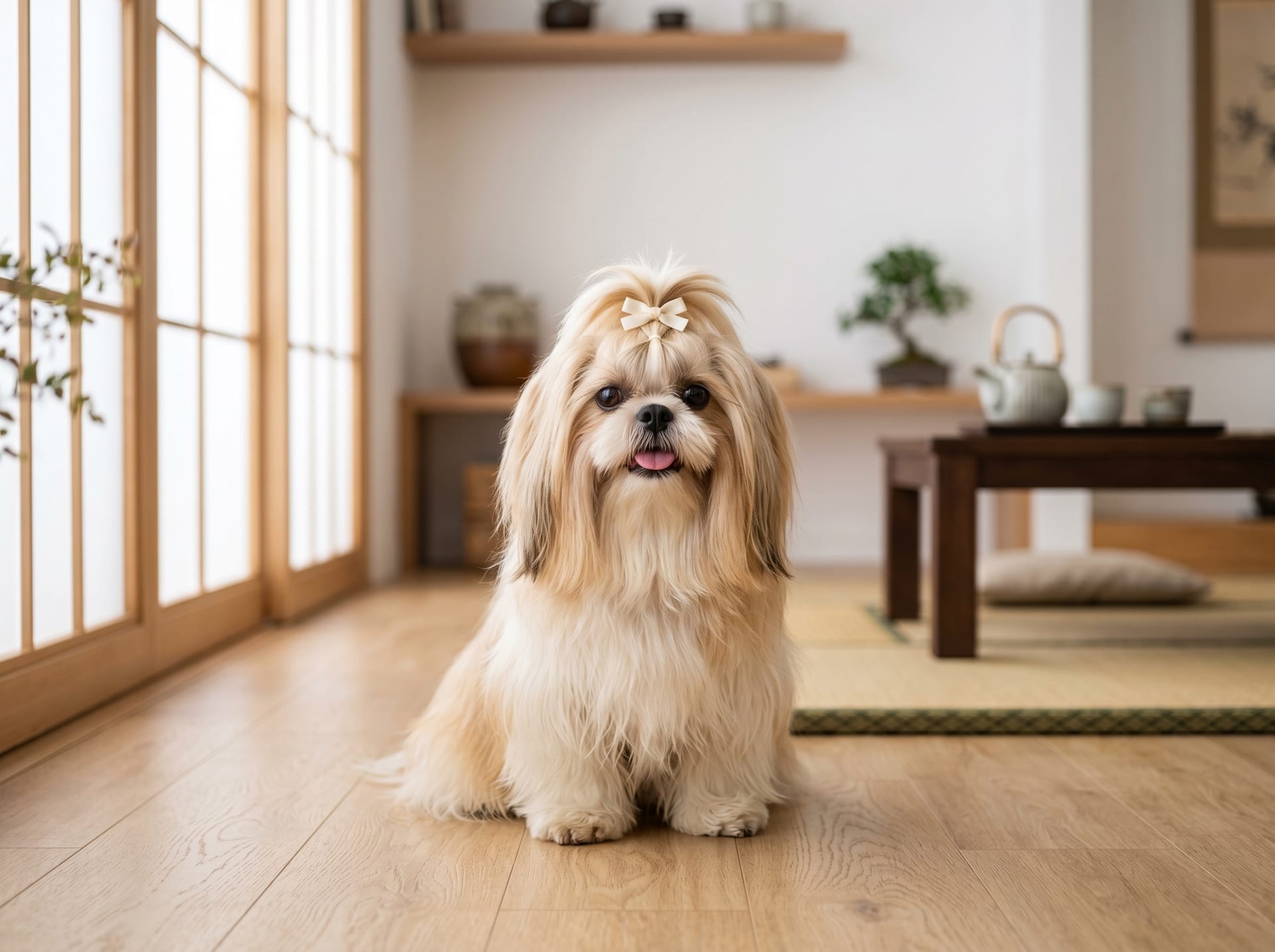
Shih Tzu
Ancient Chinese palace dog with a luxurious coat. Calm, friendly, and ideal for indoor living.
View Shih Tzu encyclopedia →- Price Range
- ¥200,000〜¥548,000
0% commission on your first sales!Register by September 30, 2026 and your first 2 sales are commission-free!
Breeder Wanted!
List on BreederDirect and sell directly to customers nationwide!
4 Trust Pillars from BreederDirect
All puppy listings include full disclosure from verified Breeder. BreederDirect enforces legally-mandated standards for safe, transparent direct purchases.
- MicrochipRequired
- Vaccinated
- Health Exam
- Pedigree Certificate
※ Microchip implantation is mandatory for breeders under Japan's Animal Protection Law (effective June 2022).
Secure transaction guarantee
Dogs & cats onlyEvery BreederDirect transaction is covered by our transaction guarantee. If you cannot receive your pet, you will be fully refunded. A health guarantee also covers you after handover.
Learn about transaction safety →Browse all 129 breeds
Verified breeders wanted for Dogs
Breeders are signing up now ahead of launch. Subscribe to be notified when new listings go live.
Getting alerts is free with a member account. When new listings match your saved search, we'll notify you by email and in-app.
Browse other categories
Verified breeders (preview)

Shih Tzu key facts
- Care level
- Beginner-friendly
- Lifespan
- 10-16 years
- Size
- Height 20-28cm / Weight 4-7kg
- Diet
- High-quality small-breed food. Monitor portions to prevent obesity.
- Temperament
- Calm and friendly. Good with children and other pets; low aggression.
- Exercise
- 20-30 min gentle walk daily. Avoid hot weather.
- Coat Care
- Long coat needs daily brushing. Short clip makes maintenance easier.
- Origin
- China (Tibet)
- Notes
- Brachycephalic; sensitive to heat. Watch for eye and skin issues.
About Shih Tzu
The Shih Tzu's origins trace back to ancient Tibet, where it is believed to have been developed from crosses between the Lhasa Apso and the Pekingese. During China's Ming and Qing dynasties, these dogs were kept exclusively within the imperial court and treasured as sacred companions reserved for royalty. The name itself means "lion" in Chinese, a nod to the breed's lavish, mane-like coat. Compact in build at roughly 4 to 7 kg and 20 to 28 cm tall, the Shih Tzu is draped in a long, silky double coat, and its signature face—with hair fanning outward like a chrysanthemum blossom—is instantly recognizable. Temperamentally, Shih Tzus are cheerful and deeply affectionate, bonding readily with people of all ages. They tend to bark infrequently and show little aggression, making them considerate neighbors in apartment settings. While their coat demands consistent daily attention, the close bond that forms through that routine care is part of what makes this breed so endearing as a long-term companion.
7 things to know before welcoming a Shih Tzu
1Daily Brushing Is Essential
Shih Tzu's long coat tangles easily, and skipping daily brushing quickly leads to painful matting. Keeping the coat in a shorter "puppy cut" is a practical option for busy owners. Regular professional grooming every four to eight weeks also helps maintain coat health.
2Highly Sensitive to Heat
As a brachycephalic (short-nosed) breed, Shih Tzus struggle to regulate body temperature and are prone to heatstroke. Air conditioning indoors during summer is essential, and outdoor walks should be limited to early morning or evening. Extra caution is needed in Japan's humid summers.
3Eye Care Is a Daily Task
Shih Tzus' prominent eyes are prone to debris, stray hairs, and discharge buildup. Gently wiping around the eyes daily with a clean gauze pad or pet-safe eye wipe is important for hygiene. If tear staining becomes noticeable, consulting a veterinarian is advisable.
4Can Be Stubborn Learners
Shih Tzus are intelligent but have an independent streak, often preferring to do things on their own terms. Housetraining and learning commands can take longer compared to some other breeds. Patience and reward-based training consistently yield better results than correction-heavy methods.
5Modest Exercise Requirements
Two short walks of 15 to 20 minutes each day typically meet a Shih Tzu's exercise needs. They tend to prefer gentle activity over strenuous exertion, and their brachycephalic anatomy makes it important to avoid overexertion. Many remain enthusiastic walkers well into old age.
6Budget for Regular Grooming
Professional grooming sessions typically cost between 5,000 and 10,000 yen, and with monthly or bimonthly visits, annual grooming expenses can add up significantly. Initial investment in quality brushes and combs for home care is also worthwhile. Choosing between keeping the full coat or a shorter cut will noticeably affect ongoing costs.
7Watch for Breed-Specific Health Issues
Shih Tzus are known to be prone to brachycephalic airway syndrome, intervertebral disc disease, and cataracts. Regular veterinary checkups and maintaining a healthy weight form the foundation of prevention. Enrolling in pet insurance is worth considering to help manage potential medical costs.
Frequently asked questions about Shih Tzu
- Q.Can a Shih Tzu thrive in a single-person household?
- A.Shih Tzus generally adapt well to single-person apartment living thanks to their low exercise needs and quiet temperament. However, they can be prone to separation anxiety if left alone for extended periods, so managing time away is important.
- Q.Do Shih Tzus shed a lot?
- A.Shih Tzus have a double coat but shed relatively less than many other breeds. That said, shed hairs tend to get caught in the long coat rather than falling freely, so daily brushing is key to preventing matting and keeping the coat clean.
- Q.What is the average lifespan of a Shih Tzu?
- A.Shih Tzus typically live between 10 and 16 years, making them among the longer-lived small breeds. Proper nutrition, routine veterinary care, and consistent dental hygiene all contribute to a longer, healthier life.
- Q.Are Shih Tzus good with children and other pets?
- A.Their gentle, sociable nature generally makes Shih Tzus adaptable to households with children or other pets. Because of their small size, adult supervision around young children is important to prevent accidental rough handling.
- Q.How often does a Shih Tzu need professional grooming?
- A.Maintaining a full coat typically requires professional grooming every four to six weeks. A shorter cut can reduce salon visits to roughly once a month. Regardless of coat length, daily brushing at home remains a consistent necessity.
Useful tools for Shih Tzu care
Learn more about Shih Tzu in the encyclopedia
View Shih Tzu encyclopedia entry →
Care difficulty, lifespan, size and diet — all basics covered.
Shih Tzu related articles
See more Shih Tzu articles →More in this category
Can't find the one you're looking for?
Post your wishes for free and breeders with matching animals will contact you with introductions.