Complete Guide to Shih Tzu Care | Coat Care, Health Management, Temperament and Important Notes
A comprehensive guide to Shih Tzu care. This complete guide covers essential daily brushing and coat care methods, health risks specific to brachycephalic breeds (respiratory and eye conditions), diet management, and training tips—useful for both beginners and those purchasing from breeders.
Key Takeaways
A comprehensive guide to Shih Tzu care. This complete guide covers essential daily brushing and coat care methods, health risks specific to brachycephalic breeds (respiratory and eye conditions), diet management, and training tips—useful for both beginners and those purchasing from breeders.
Related Species
What Is a Shih Tzu?
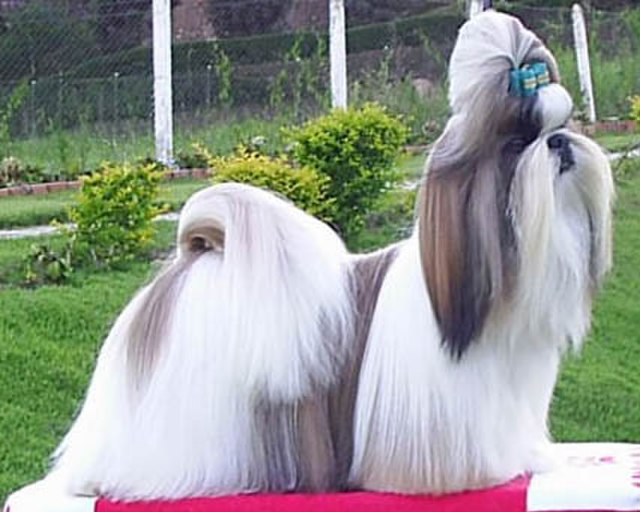
The Shih Tzu is a small dog breed with a long history of being beloved by Chinese emperors. Also called the "Lion Dog," its defining characteristics are its dignified appearance and abundant coat. Despite weighing only 3–7 kg and standing 20–28 cm tall, it possesses a confident and calm temperament.
Temperament Characteristics of Shih Tzus
- Calm and affectionate, bonding equally with all family members
- Moderately independent with low susceptibility to separation anxiety
- Gets along well with other dogs and cats
- Low guard dog instinct with minimal barking, making it suitable for apartments
- Has a stubborn streak and requires patient training
Shih Tzus are well-suited for apartments and single-person households, making them one of the most popular breeds among those considering purchasing directly from breeders.
Coat Care Specific to Shih Tzus
The abundant coat that is a Shih Tzu's greatest charm is also its most demanding aspect. With a double coat and long fur, daily brushing is essential.
Daily Brushing
Neglecting brushing causes matting and leads to skin problems.
- Loosen the surface with a slicker brush
- Comb through to the roots with a comb brush
- Always work with the direction of growth (never against the grain)
- Areas around the eyes, under the ears, underarms, and groin are especially prone to matting
Making a habit of 5–10 minutes of daily brushing prevents matting and maintains healthy skin circulation.
Trimming and Grooming
Since Shih Tzu coat grows continuously, regular trimming is necessary. When using a professional groomer, aim for every 1–2 months. Opting for a shorter "puppy cut" significantly reduces maintenance. Keep the hair around the eyes neatly trimmed, as hair in the eyes can cause corneal inflammation.
Bathing Frequency
Bathe your Shih Tzu 1–2 times per month. Use a mild, breed-appropriate shampoo and wash gently. Rinse thoroughly. It's crucial to dry completely with a blow dryer afterward, as leaving the coat damp can cause dermatitis.
Diet and Weight Management
Shih Tzus are prone to obesity. Proper diet management is key to maintaining health.
Daily Feeding Guidelines
For adult dogs (ages 1–7), feed commercial dry food in two portions daily. For a 3 kg dog, approximately 60–80 g per day is a guideline, but prioritize the feeding guidelines on the package and your veterinarian's recommendations. Avoid overfeeding treats, as this contributes to obesity and tartar buildup.
Feeding Considerations Specific to Shih Tzus
- Brachycephalic feeding difficulty: An angled bowl is easier than a flat dish
- High risk of periodontal disease: Use dental care food or chews that aren't too hard
- Some individuals have allergies: Consult your veterinarian if food allergies are suspected
- Prevent fast eating: Using slow-feeder bowls is effective
Obesity Check
An ideal weight is when you can feel the ribs with gentle pressure from the side. If you cannot feel the ribs and the body feels very soft, it indicates overweight. Consult your veterinarian to adjust food portions.
Common Health Issues and Prevention in Shih Tzus
Shih Tzus are predisposed to certain health conditions due to their genetic and physical characteristics.
Eye Conditions
Shih Tzus have a high risk of eye conditions due to their large, prominent eyes.
- Corneal ulcers and keratitis: The eye surface is easily scratched. Seek immediate veterinary care if you notice redness, discharge, or squinting.
- Dry eye (keratoconjunctivitis sicca): Reduced tear production. Characterized by redness and sticky discharge.
- Cataracts: More common with age. Early signs include a white cloudiness in the pupil.
Daily eye checks and keeping the eye area clean are the basics of prevention.
Respiratory Diseases (Brachycephalic Syndrome)
Shih Tzus are prone to respiratory issues like soft palate elongation, nasal stenosis, and tracheal collapse due to their flat-faced anatomy.
- Monitor snoring, nasal noise, and labored breathing
- Extra caution is needed during hot, humid summers
- Seek veterinary care if breathing doesn't stabilize after vigorous exercise
Intervertebral Disc Disease
Their long backs put them at risk for intervertebral disc disease. Prevention includes limiting stair climbing, jumping from heights, and reducing daily spinal stress.
Skin Conditions
The skin beneath the thick coat is prone to moisture, creating an environment for conditions like bacterial pyoderma and allergic dermatitis. Regular brushing and good hygiene are the best preventive measures.
Exercise and Training
While Shih Tzus have relatively low exercise needs, regular walks and activity are still important.
Appropriate Exercise Level
Aim for about 30 minutes of walking daily. However, avoid excessive exercise and avoid walking in high temperatures, as their flat faces make them heat-sensitive. During hot summers, walk during cool early morning or evening hours.
Training Tips
Shih Tzus can be stubborn and require patient training.
- Positive reinforcement: Praise and reward-based training is most effective
- Puppyhood (2–4 months) is the critical socialization window: Expose them to various people, sounds, and environments
- Consistency: All family members should follow the same rules to avoid confusion
- Managing excessive barking: Ignore barking and reward quiet behavior
Checklist for Purchasing a Shih Tzu from a Breeder
Purchasing a Shih Tzu from a reputable breeder is the first step to welcoming a healthy dog into your family for the long term.
Points to Verify During Visits
- Parents' body type, coat condition, and calm temperament
- Eye condition (absence of redness and discharge)
- Clean breeding environment with adequate space
- Vaccination records and health certificates
- Family history of genetic conditions (eye and spinal issues)
Purchasing directly from a breeder allows you to learn about bloodline background, parent health, and rearing conditions in detail. We recommend comparing multiple breeders to choose one you'll work with long-term.