Complete Guide to Raising Maltese Dogs | Coat Care, Temperament, and Health Management
A comprehensive beginner's guide to raising Maltese dogs. This guide covers everything from grooming techniques for their pure white silken coat, their affectionate temperament, disease prevention for common conditions like tear staining and dental disease, to feeding guidelines and exercise requirements.
Key Takeaways
A comprehensive beginner's guide to raising Maltese dogs. This guide covers everything from grooming techniques for their pure white silken coat, their affectionate temperament, disease prevention for common conditions like tear staining and dental disease, to feeding guidelines and exercise requirements.
Related Species
What Kind of Dog is a Maltese?
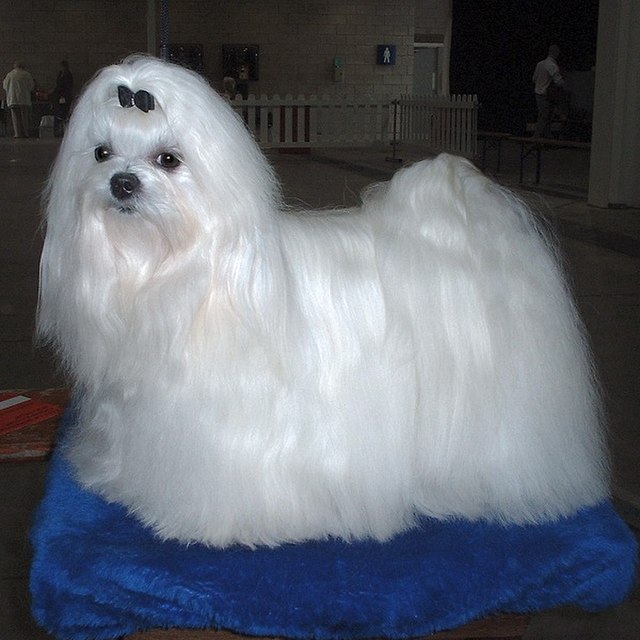
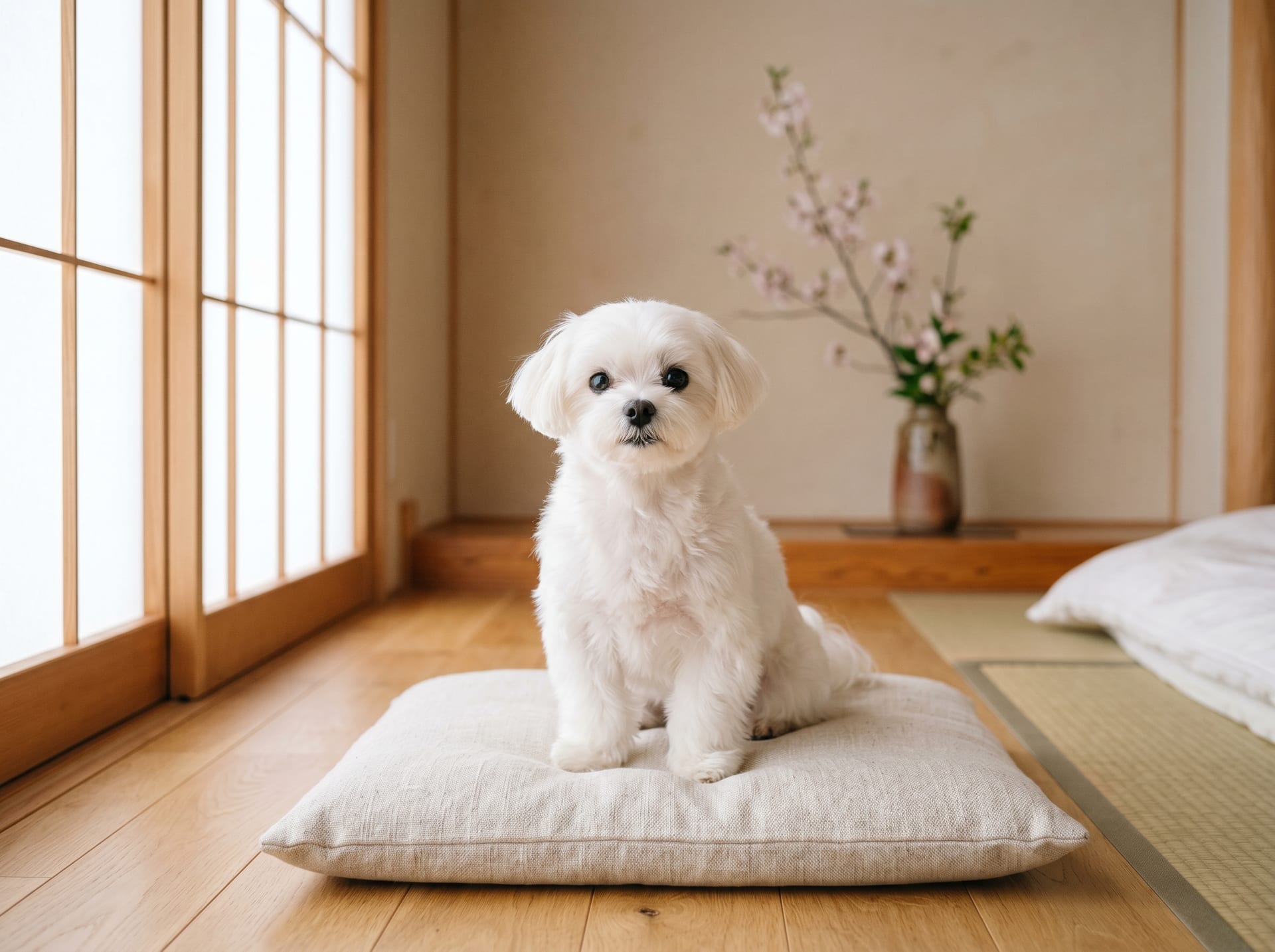
The Maltese is a small breed originating from Malta in the Mediterranean, and is one of the world's oldest companion dogs with a history spanning over 2,000 years. Adult Maltese typically weigh 2-4 kg and stand about 20-25 cm tall. Despite their diminutive size, they possess a bold and spirited temperament. Their most distinctive feature is their long, pure white silken coat that flows nearly to the ground. Combined with their drooping ears and dark, round eyes, they have the adorable appearance of a living stuffed animal.
They are affectionate dogs that form a strong bond with their owners. While they are clingy and prefer to be constantly at their owner's side, they are surprisingly active and curious despite their small stature. They may bark at strangers or loud noises, but with proper socialization training, they can be raised to be calm and well-behaved. They are intelligent and quick learners, making them well-suited to training.
Coat Care Methods
The most labor-intensive aspect of Maltese care is coat maintenance. Although they have a single coat without an undercoat and shed minimally, their hair texture is similar to human hair and requires daily brushing.
For daily brushing, use a combination of a pin brush and a comb. First, gently brush in the direction of hair growth with the pin brush, then comb through from root to tip. If you find tangles, the key is to gently loosen them with your fingers rather than pulling forcefully before combing. Bathe your Maltese every 2-3 weeks and dry completely with a hairdryer to prevent skin conditions.
The "show coat," which involves letting the hair grow long, requires intensive daily maintenance, so many owners opt for a "puppy cut" (a shorter full-body trim). It's common to have a professional groomer perform grooming every 2-3 months. The area around the eyes and mouth is particularly prone to staining from food and tears, so develop a daily habit of wiping these areas with specialized pet wipes.
Tear Staining Solutions and Facial Care
The biggest problem affecting Maltese white coats is "tear staining." This phenomenon, where the fur below the eyes becomes brown to reddish-brown, occurs when the components in tears oxidize when exposed to air.
To reduce tear staining, it's important first to address the underlying cause by reducing excessive tearing. As a checkpoint, have your veterinarian check for eye problems such as distichiasis (ingrown eyelashes) or entropion (inward-turning eyelids). Dietary improvements by avoiding artificial additives and choosing high-quality dog food can help in many cases. Use filtered water for drinking and stainless steel shallow food bowls to minimize bacterial growth around the mouth.
Make it a daily habit to remove eye discharge and wipe away tear staining. Commercial tear stain removers are very effective. If problems persist despite these efforts, consult your veterinarian for a thorough eye examination to rule out any underlying conditions.
Diet and Weight Management
Maltese tend to eat too quickly, a common trait among small breeds, and are also prone to hypoglycemia, especially as puppies. Feed approximately 50-60 kcal per kilogram of body weight daily. Adult dogs should be fed 2-3 times per day, while puppies aged 3-6 months should be fed 3-4 times daily to prevent hypoglycemia.
Recommended foods are complete and balanced dry kibbles with grain sizes adjusted for small breeds. Choose options rich in omega-3 and omega-6 fatty acids to maintain coat health. Weight management is also crucial, as obesity increases stress on joints and the heart. Keep treats within 10% of total daily calories and absolutely avoid human foods, particularly onions, grapes, and chocolate.
Health Management and Common Health Concerns
Understanding conditions that Maltese are prone to and taking preventative measures daily is the key to a long, healthy life.
Dental Disease: Small breeds tend to have crowded teeth that accumulate plaque easily. Aim for tooth brushing at least 3 times per week, and utilize dental chews and oral care products. Regular professional dental cleanings by your veterinarian are also effective.
Patellar Luxation: A common joint disorder in small breeds where the kneecap becomes dislocated. Install non-slip mats on hardwood floors and prevent jumping from high surfaces.
Tracheal Collapse: A condition where the windpipe becomes flattened, causing breathing difficulties. Use a harness instead of a collar and avoid encouraging pulling habits.
Cataracts and Progressive Retinal Atrophy (PRA): Hereditary eye diseases that increase in risk as the dog ages. Regular veterinary eye examinations are essential.
Don't forget routine vaccinations (combination and rabies), heartworm prevention, and regular flea and tick medication. Establish a habit of annual or bi-annual health checkups with your veterinarian.
Exercise and Mental Care
Although Maltese appear active, they require less exercise than many breeds. Two daily walks of 15-20 minutes each are sufficient. On rainy days or when your dog isn't feeling well, light indoor play can substitute.
Maltese are prone to separation anxiety. To acclimate them to being alone, it's important to gradually introduce alone time starting from puppyhood. Crate training can also be effective in creating a safe space. Interactive toys like Kongs and puzzle feeders help prevent boredom during time alone.
Indoor Environment and Temperature Control
Maltese are relatively sensitive to both cold and heat. Maintain an ideal temperature of 20-26°C and humidity of 50-60%. Air conditioning is essential in summer, and pay attention to floor coldness in winter. Provide a dog bed and blankets to keep your dog warm.
Their white coat makes them susceptible to UV damage, so avoid midday walks in summer and schedule outings for early morning or evening instead. Additionally, since Maltese can strain their legs and back when slipping on hardwood floors, always install non-slip mats in areas where they frequently walk.
Conclusion: Raising a Happy Maltese
While Maltese require significant grooming effort, they reward their owners with their striking beauty and charming personality. The path to a long, healthy life involves establishing daily routines of brushing, tear stain care, and tooth brushing, along with regular veterinary checkups. As affectionate companion dogs that value their bonds with people, they deserve consistent care and love. With proper care and affection, enjoy walking alongside your Maltese for their 10-15 year lifespan.